
Lighting That Heals: Lee McCarthy on Designing Better Mental Health Environments
From prisons to pioneering therapeutic lighting, Lee McCarthy reflects on three decades of lighting design and why mental health environments deserve better.
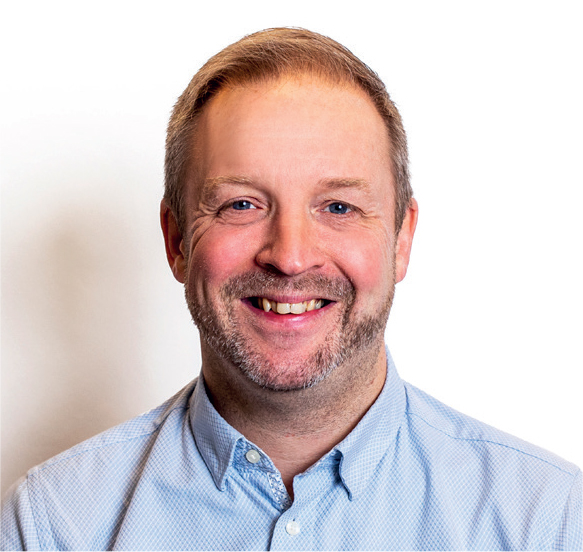
“Buy cheap, buy twice” isn’t just an old saying to Lee McCarthy; it’s a philosophy shaped by experience. With over 30 years in the lighting industry, including the redevelopment of Broadmoor and work with NHS Trusts across the UK and Ireland, Lee knows what happens when lighting is treated as an afterthought. He also knows what’s possible when it becomes part of the therapeutic conversation.
Ahead of our Lighting for Mental Health webinar, we sat down with Lee to discuss his journey, the link between lighting and wellbeing, and how design is moving beyond compliance to compassion.
Want to hear more from Lee and our expert panel?
📅 Lighting for Mental Health Webinar > Book your place here >
🗓️ Tuesday 10th February 2026
🕛 12:00–13:30 GMT | 💻 Online (Teams)
🎟️ Free to attend
Explore the science, standards, and solutions for better lighting in mental health spaces.
A Life in Light: From Shop Floor to Director
Lee started working in a lighting factory aged 16. “It was a family-owned business where my dad was the factory manager,” he recalls.
“I worked weekends and holidays initially, and I went from the shop floor up to becoming Technical Director. My dad was incredibly proud of what I achieved. When he passed away at the end of 2025, it was something that was talked about in his eulogy.”
Lee’s early immersion in the industry laid the foundations for a lifelong career. But it was personal experience that gave his work new meaning. “I didn’t know it at the time, but I have ADHD. My sister is autistic. Once I understood more about neurodiversity, I saw the world differently. It’s not just about being able to see. It’s about how light makes you feel.”
In restaurants, poor lighting can ruin a meal. In mental health settings, it can have a far greater impact.”
Lighting for Recovery, Not Just Risk
Lee’s earliest mental health projects were deeply institutional. “Everything was designed like a prison. The thinking was: if it works in custody, it must work in care. But that misses the point.”
Today, Lee champions human-centred lighting. “It still has to be safe, anti-ligature, robust. But that doesn’t mean it can’t feel warm, domestic, or empowering.”
Through Light Years Ahead, where Lee is Director, Lee has developed layered, tunable lighting that aligns with people’s circadian rhythms. Working with Monash University and Versalux in Australia, they’ve fine-tuned a system called Melagen, which mimics natural light patterns.
“Blue light is energising during the day, but harmful at night. Our system adjusts throughout the day, brighter and cooler when alertness is needed, warmer and softer when it’s time to rest.”
The approach is technical, but the outcome is emotional. In pilot projects, service users reported better concentration, calmer nights, and improved mood.
Breaking the Box: Designing Beyond Compliance
Lee recalls how early designs in secure settings were focused purely on containment, with little thought for lived experience.
“At one point, it was common to just put a standard lightfitting in with a bezel over it. But it could still be broken, which could leave sharp parts and the mains supply exposed. That’s not safety.”
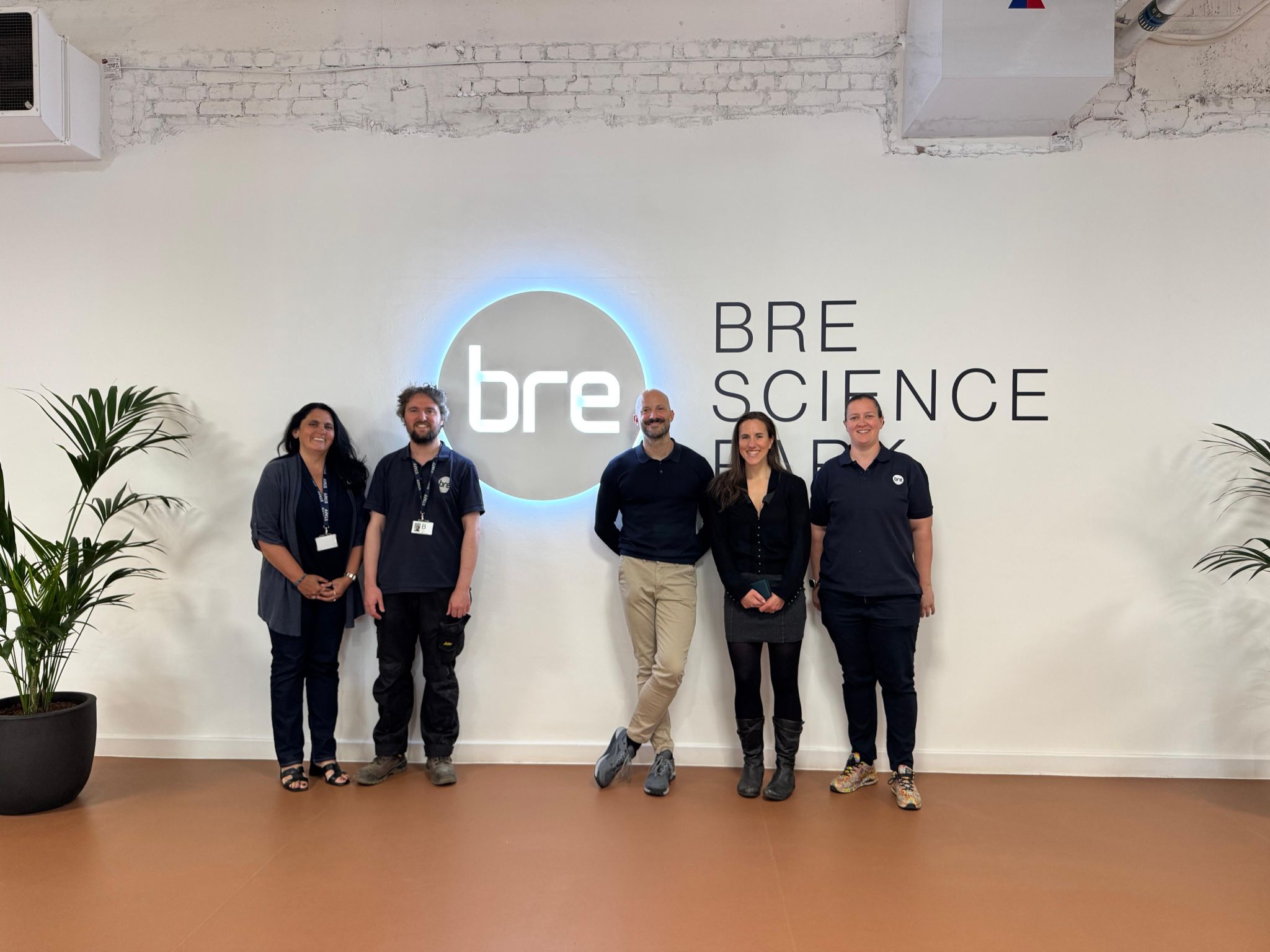
Over time, Lee and his team developed a tiered system of fittings and testing, including input from the BRE (Building Research Establishment), to better balance ligature resistance, robustness, and aesthetics. This is part of the BRE and Design in Mental Health Network, Informed Choices scheme, which you can learn more about here:
“There’s a myth that safer lighting has to look industrial. But we’re now at a point where you can have something that’s safe and sympathetic to the environment.”
From Science to NHS Wards
At our upcoming webinar, Dr Shelley James will share the science of circadian lighting. Lee will focus on implementation. “We’re often upgrading ageing NHS buildings. Budgets are tight, and people assume smart lighting means rewiring and disruption. But it doesn’t. Wireless controls and Bluetooth make retrofit possible and very effective.”
His advice? Think long-term. “If you’re upgrading now, don’t plan to redo it in five years. For around 20% more now, you can install lighting that supports wellbeing and saves energy in the long term. Don’t buy cheap and pay twice.”
Lee also stresses the value to staff. “If someone is on 15-minute checks through the evening and the corridor light is too bright, it disturbs everyone. That means the next day is not great for everyone either. Lighting controls let you maintain safety without constant interruption. It’s better for staff and service users.”
Retrofitting Without the Headaches
One of the biggest misconceptions Lee encounters is the belief that upgrading lighting requires disruptive rewiring.
“The beauty now is we can use Bluetooth and wireless control systems. You can upgrade fittings in existing points without opening up walls or adding new cables.”
These systems can do more than just adjust brightness. They can:
- Respond to daylight levels
- Reduce overnight energy use
- Track temperature, air quality, and even monitor equipment locations, such as trollies.
“We’ve worked on projects where asset tracking was included, lighting triggered when a tagged trolley entered a space. It’s smart, but simple.”
What Does Good Look Like?
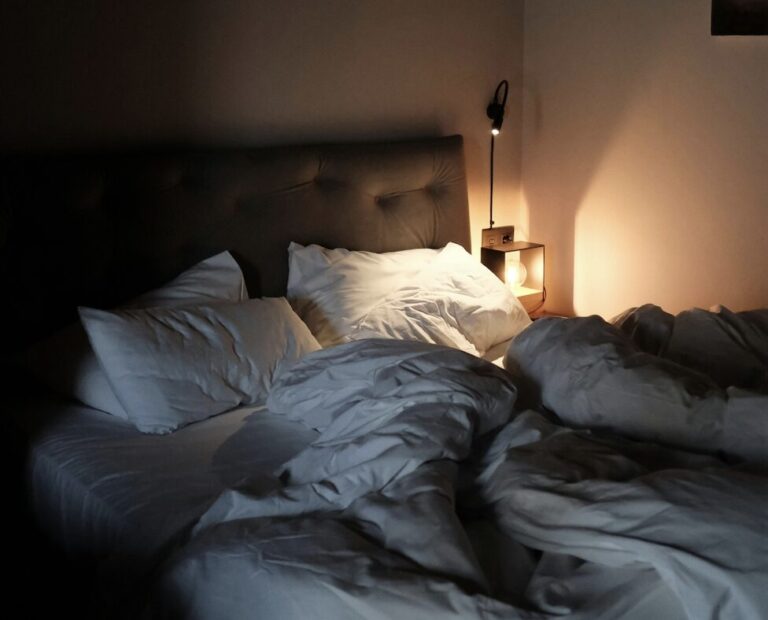
“In most bedrooms, we see one big central light. That’s it,” Lee says. “But think about your home. You’ve got bedside lamps, desk lights, and soft lighting for movement at night. Why would we expect less in mental health environments?”
For Lee, good design starts with empathy. “My sister’s in a care home now. Seeing the old fittings I designed 30 years ago made me realise how much better we can do now.”
“She needed a bedside reading light, and there was no plug near her bed, so we had to find a solution that could be rechargeable, wireless and give the type of lighting she needed at the bedside, so she didn’t need that bright big light on”
His ideal space? “Layered light sources. User control. Warmer tones in the evening.”
Smart, Safe, and Sustainable
Lee is clear: advanced and therapeutic lighting can also help meet NHS Net Zero goals.
“With sensors, daylight harvesting, and smart dimming, you reduce energy use significantly. It’s not a trade-off between sustainability and care. They go hand in hand.”
He’s even exploring tech that tracks equipment and air quality using the same lighting infrastructure in projects.
Lessons from Broadmoor — and a Personal Turning Point
Lee first walked into Broadmoor Hospital aged 18, for remedial lighting work. “It was intimidating,” he admits. “But it also opened my eyes to how harsh those environments felt.”
Decades later, he helped lead the lighting for Broadmoor’s redevelopment, which focused on making spaces feel less institutional.
“Even now, that project is 10 years old, and we could go so much further today. But it was a shift. It was a start.”
Another pivotal project was Portrane, a forensic mental health facility for children in Ireland. There, lighting choices had to take into account trauma, perceptions of surveillance, and regulatory requirements.
“We had to include an emergency green LED, but young people thought it was a camera, and it caused nighttime disturbance. We’re now working on projects where we redesigned the system to place the indicator outside the room instead. These details matter.”
Lighting as Advocacy
Lee’s message for NHS leaders is simple: “Lighting affects every moment of someone’s day. Spend 20% more now and create a space that supports healing, staff wellbeing, and lower maintenance.”
“Everyone deserves better light.”
Join the Conversation – Free Lunch & Learn Webinar
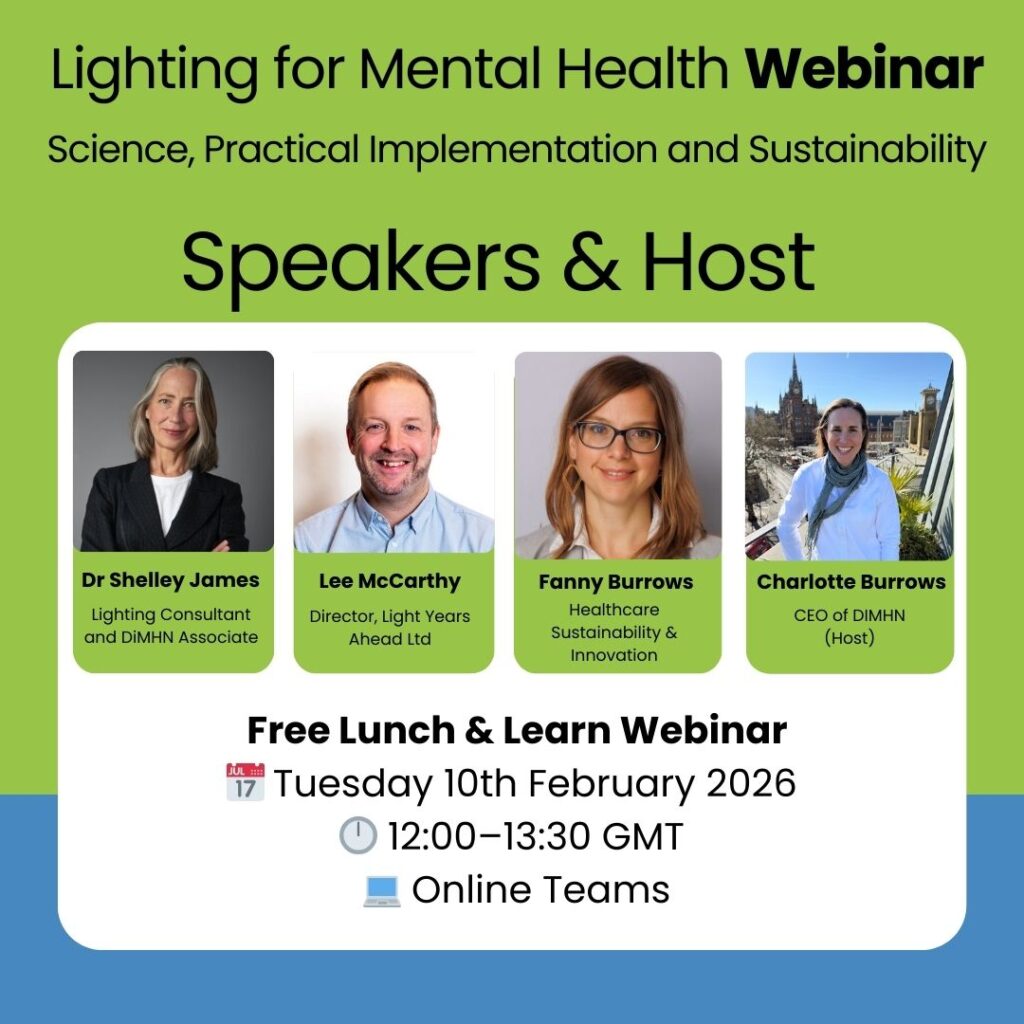
Want to hear more from Lee and our expert panel?
📅 Lighting for Mental Health Webinar
🗓️ Tuesday 10th February 2026
🕛 12:00–13:30 GMT | 💻 Online (Teams)
🎟️ Free to attend
Explore the science, standards, and solutions for better lighting in mental health spaces.
Expect expert insights on:
- Circadian and non-visual lighting science
- Practical design and retrofit challenges
- NHS Net Zero and funding opportunities
- Current regulations and pathways to improvement
Speakers include:
Dr Shelley James – Lighting science and human health
Lee McCarthy – Practical implementation in NHS settings
Dr Fanny Burrows – Policy, sustainability, and climate links
Hosted by Charlotte Burrows, CEO of the Design in Mental Health Network charity
Who it’s for:
This session is designed for NHS estates teams, sustainability leads, health and safety professionals, architects, designers, lighting specialists, clinicians, and anyone working to improve health environments.
Continue exploring
Let’s keep asking brave questions, sharing what works (and what doesn’t), and designing with purpose.