
Why the most important design decisions happen before design begins

In mental health design, we often focus on what we can see: the building, the layout, the materials, the experience of the space itself.
But long before any of that takes shape, the most critical decisions are already being made.
They happen at the briefing stage.
“A brief is where you lock in the things that really drive outcomes,” says Karen Flatt, Architect, Associate Principal and Mental Health Lead at Arcadis and Associate at Design in Mental Health Network.
“The model of care, the risk profile, and how the building will actually be run day to day. If you get that wrong, everything that follows becomes harder.”
Ahead of the Design in Mental Health Network’s upcoming webinar, Briefing Brilliance: Better Briefs for Better Mental Health Environments, we spoke with Karen Flatt, Architect, Associate Principal and Mental Health Lead at Arcadis, about why briefing matters more than ever, and what happens when we get it right.
Karen will also appear twice at the Design in Mental Health Conference 2026: first, sharing post-occupancy insights from Woodland View, 10 years after opening; and then as part of an interactive Arcadis workshop exploring design thinking, personas and the mental health patient journey.
Together, those sessions reflect the breadth of her work: from strategic briefing to long-term evaluation, and from design principles to practical application.
From “Nice Environments” to Therapeutic Tools
Karen has spent over 25 years designing mental health environments. In that time, the role of design has fundamentally shifted.
“The biggest change,” she explains, “is that we’ve moved from thinking about creating ‘nice environments’ to understanding design as part of care itself.”
Today, design is no longer just about aesthetics or compliance. It’s about:
- Reducing distress
- Supporting autonomy and dignity
- Enabling recovery
- Responding to trauma and sensory needs
“We’re far more deliberate now about co-production and trauma-informed design. We think much more carefully about how spaces make people feel.”
Advances in specialist products have also helped. Designers are no longer forced to choose between safety and comfort in quite the same way.
But challenges remain.
“We’ve made huge progress in safety and robustness,” Karen says. “But some products are still… not very beautiful. And that matters. Environments should feel therapeutic, not custodial.”
When Buildings Shape Behaviour
Karen has seen first-hand how design influences behaviour, not just in theory, but in lived experience.
She points to Woodland View in Ayrshire, a 260-bed mental health facility completed a decade ago and currently undergoing post-occupancy evaluation.
At its heart sits the Brambles Café.
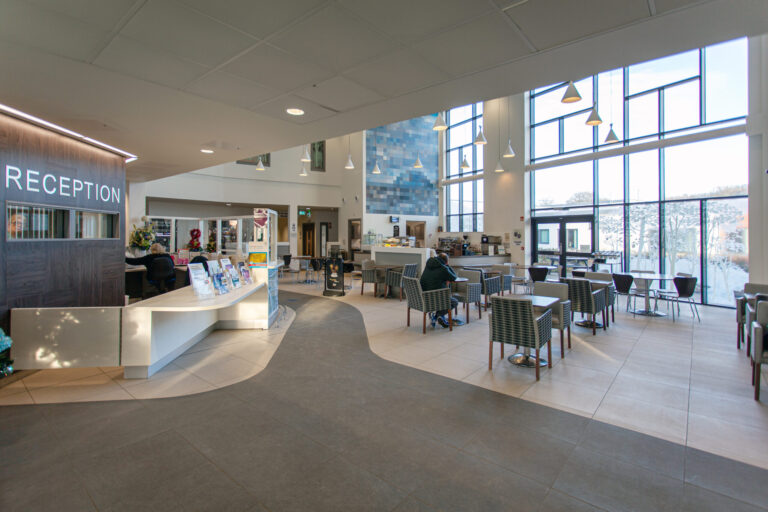
“It’s right at the entrance,” she explains. “Staff, service users, visitors, they all pass through it. But it’s also open to the community.”
People walk their dogs nearby. Local residents drop in for their paper and coffee. Choirs perform there. Conversations happen naturally between staff and service users.
“It’s a simple space,” Karen says, “but it’s doing something powerful. It’s helping to de-stigmatise mental health. It’s creating connection.”
It’s a clear example of design influencing behaviour and shaping culture.
Why Briefing Is the Most Critical Stage
Despite its importance, briefing is often overlooked.
“We talk a lot about design quality,” Karen says. “But not enough about the quality of the brief.”
In mental health projects, the brief determines:
- How care will be delivered
- How risk will be managed
- How staff will work
- How service users will experience the space
“If you get clarity early,” she explains, “you reduce delays, avoid costly changes, and create environments that actually support dignity, de-escalation and recovery.”
If you don’t?
“You end up with spaces that look fine on paper, but don’t work in reality.”
What a Good Brief Really Looks Like
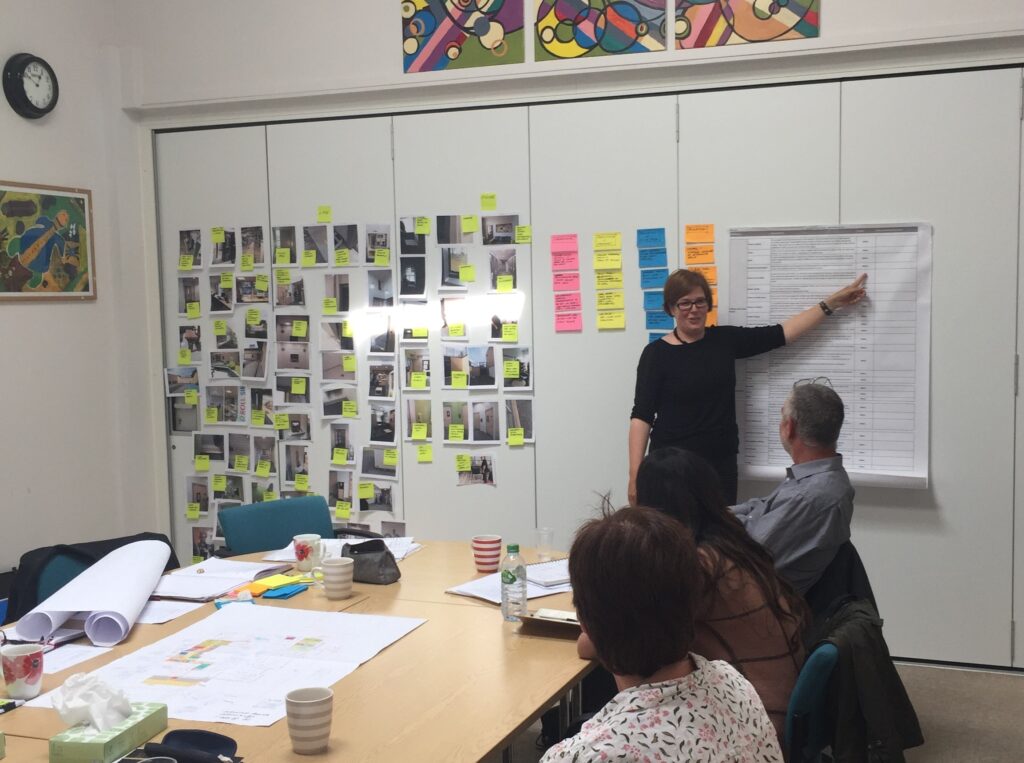
There’s no one-size-fits-all template. But Karen highlights several essentials.
1. A Clearly Defined Model of Care
“Who is being treated? How long are they staying? What does a typical day look like?”
Without this, design becomes guesswork.
2. Clear Decision-Making Structures
“Who makes decisions? When? And how are changes controlled?”
Unclear governance leads to delays, redesign, and spiralling costs.
3. Genuine Co-Production
Engagement with service users and staff should begin before design starts, not after.
“You need to be able to show: ‘You said; We did.’ That requires planning and structure.”
4. Operational Clarity
Critical systems, like catering, waste, and laundry, must be defined early.
“These might sound like small things,” Karen says, “but they have huge design implications.”
5. Safety and Risk Strategy
Approaches to observation, ligature risk, and patient management must be embedded from the outset.
6. Future-Proofing
Flexibility, adaptability, and long-term use should be considered early.
“Something like whether wards need to flex or connect, if that’s decided late, it causes major redesign.”
When these elements come together, the difference is tangible, not just in the final design, but in the way a project feels from the outset. Teams are aligned earlier. Conversations become more focused and purposeful. Instead of revisiting the same questions, stakeholders can see their input shaping real decisions, building confidence and momentum across the project.
“You can feel when a project is set up well,” Karen says. “There’s a shared understanding. People are engaged, they can see their priorities coming to life, and you’re not constantly going back over the same ground.”
In practical terms, that means smoother programmes, fewer late-stage changes, and better value. But just as importantly, it sustains trust, ensuring that clinicians, estates teams and people with lived experience stay engaged, rather than becoming frustrated or fatigued by the process.
Where Briefs Go Wrong
One of the most common pitfalls?
“Being given a solution instead of a problem.”
Karen explains:
“You might get a brief with a room list or layout already defined. But when you dig deeper, the actual challenges haven’t been identified.”
This limits the architect’s design team’s ability to add value.
Other common issues include:
- Key operational decisions made too late
- Estate-wide policies (like catering) not yet defined
- Poorly structured stakeholder engagement
- Lack of clarity around priorities
The consequences can be significant.
The Real-World Impact of Poor Briefing
When briefing fails, the effects ripple far beyond the project team.
“It creates pressure on everyone,” Karen says. “But ultimately, it impacts service users and staff the most.”
Projects may be delayed for years – or shelved entirely.
That means:
- People remain in outdated, unsuitable environments
- Staff continue working under pressure
- Families and carers don’t receive the quality of care they need or expected to improve.
“You’re promising something better,” she says. “And then it doesn’t arrive.”
But when projects succeed, the impact is immediate.
“Service users tell you they feel calmer. Staff say they want to stay. That’s when you know it’s worked.”
“A Day in the Life”: Making the Brief Real

One of the most powerful tools in effective briefing is scenario-based thinking.
Known as “day in the life” workshops, these sessions bring stakeholders together to simulate how a building will actually function.
Using plans, personas, and sometimes simple tools like physical markers (even pieces of lego), teams walk through:
- Admissions and discharge
- Daily routines
- Emergencies and incidents
- Staff workflows
- Night-time operations
“It’s amazing what you uncover,” Karen says.
In one secure unit, the process revealed that staff had no easy access to basic facilities like toilets or tea points.
“It sounds small, but it would have had a huge impact on staff wellbeing.”
These insights are often missed without this level of testing.
At its best, this approach transforms briefing from an abstract exercise into something grounded, human, and actionable. It allows teams to move beyond assumptions and design for real behaviours, real pressures, and real moments of care.
Small adjustments, like repositioning a staff base, improving sightlines, or adding a simple amenity, can have a disproportionate impact on how a space functions day to day.
Crucially, it also brings every voice into the room in a meaningful way. From clinicians and estates teams to people with lived experience, each perspective helps build a more complete picture of how the environment needs to perform.
When this process is done well, the result is not just a better building, but a shared understanding of how that building will support care, recovery and wellbeing from the moment it opens.
Personas: Useful Tool or Tick-Box Exercise?
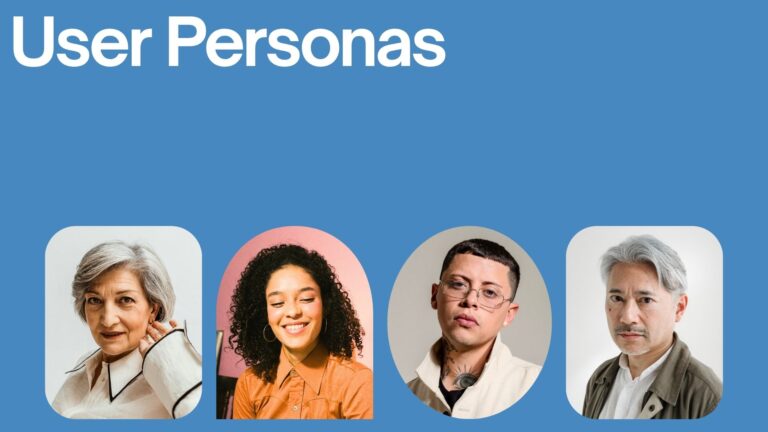
Personas are widely used, but not always effectively.
“They can be incredibly valuable,” Karen says. “But only if they’re grounded in real insight.”
Effective personas:
- Reflect diverse lived experiences
- Are specific to the service and setting
- Evolve over time
- Avoid stereotypes or oversimplification
And importantly:
“They shouldn’t define people purely by diagnosis.”
Used well, personas help teams understand how spaces will actually be experienced, leading to better decisions.
From Insight to Impact
Karen recalls a dementia ward refurbishment delivered under intense time pressure due to a funding application.
The existing environment was chaotic, with furniture everywhere, dark, and unfit for purpose.
With a clear brief and focused collaboration, the team delivered the transformation within a year.
“The difference was overwhelming,” she says. “Even small changes through a renovation had a huge impact on recovery and wellbeing.”
It’s a powerful reminder that good briefing doesn’t just improve process, it improves outcomes.
Looking Ahead: The Future of Briefing
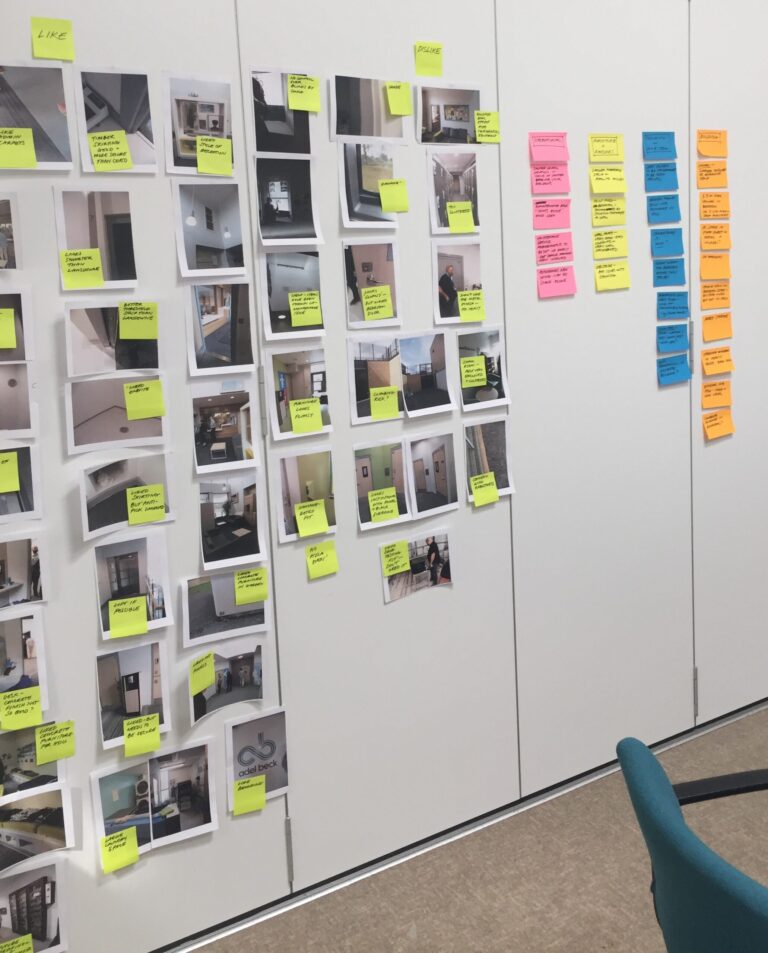
Karen believes the future lies in shifting how we think about briefing itself.
“It’s less about producing a perfect document,” she says. “And more about running a robust, ongoing process.”
Key trends include:
- Earlier and deeper co-production
- Continuous testing and refinement
- Greater use of scenario-based design
- Emerging use of digital tools like VR
But her biggest recommendation is simple:
“Stop treating the brief as a quick, front-loaded stage.”
Instead:
“Resource it properly. Align it with the model of care. Identify the real problems. That’s what prevents redesign, delay, and compromise.”
Join the Conversation
These ideas will be explored further in the upcoming DIMHN webinar:
May Webinar: Briefing Brilliance - Better Briefs for Better Mental Health Environments (Free to attend)
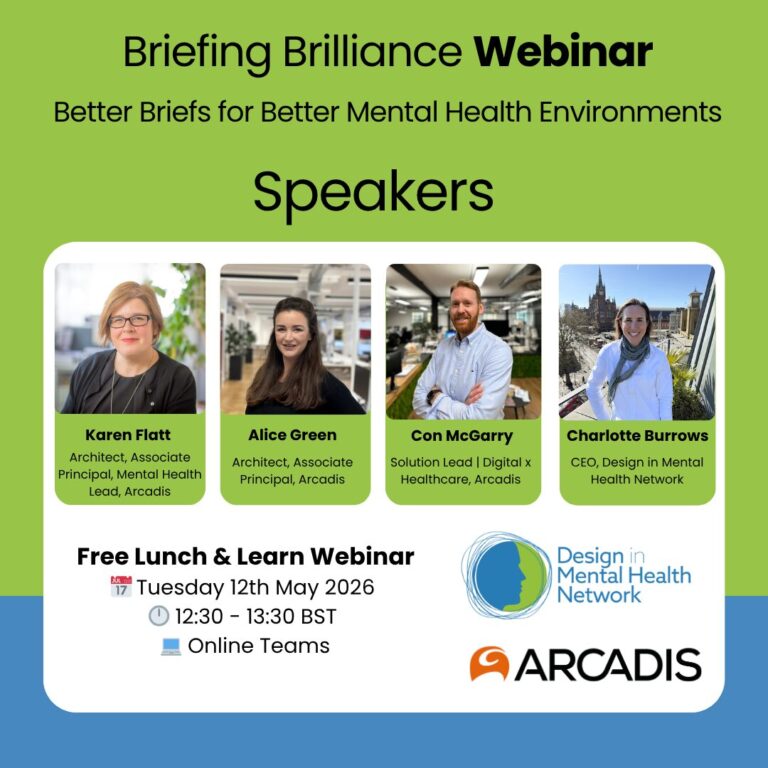
📅 Tuesday 12 May 2026 | 🕛 12:30–13:30 BST | 💻 Online (Teams) | 🎟️ Free to attend
A well-crafted brief is one of the most powerful tools in shaping mental health environments.
Done well, it aligns stakeholders, reduces costly redesign, and ensures that spaces genuinely support recovery, dignity and wellbeing. Done poorly, it can lead to missed opportunities, wasted resources, and environments that fall short of the needs they are meant to serve.
This Lunch & Learn webinar explores how to strengthen briefing in practice, with a focus on personas, stakeholder insight, and real-world application.
You’ll gain practical insight into:
- Creating clearer, more effective briefs for mental health environments
- Using personas to sharpen decision-making and improve outcomes
- Reducing risk, saving time and making better use of resources
- Real-world case studies demonstrating what works in practice
- Tools and techniques you can apply immediately
The session will feature:
- Karen Flatt, Architect and Mental Health Lead, Arcadis
- Alice Green, Architect and Associate Principal, Arcadis
- Con McGarry, Solution Lead | Digital x Healthcare, Arcadis
- Hosted by Charlotte Burrows, CEO, Design in Mental Health Network
This session is ideal for NHS estates and capital teams, ICS and local authority professionals, designers, co-production leads, and people with lived experience.
This webinar is free to attend.
Looking ahead:
This webinar also connects to a hands-on workshop at the Design in Mental Health Conference in June, where these ideas will be explored in more depth.
June 2026: Design in Mental Health Conference, Exhibition and Awards

📅 2–3 June 2026 | 📍 Coventry Building Society Arena, UK
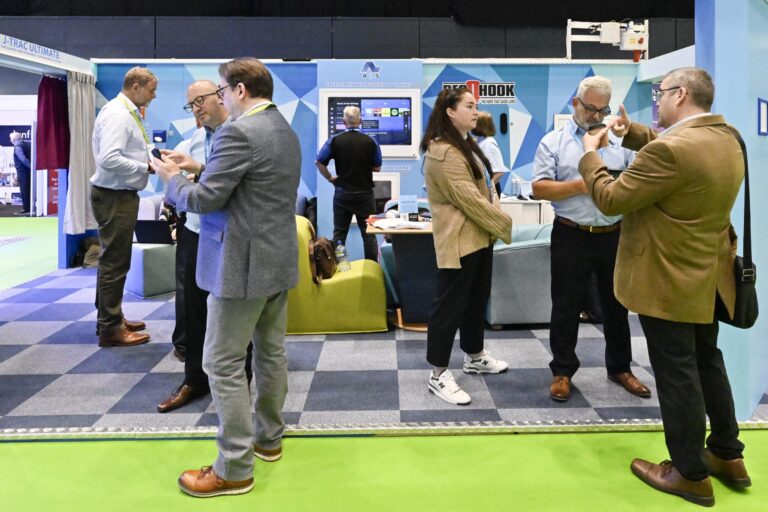
On 2–3 June 2026, we come together once again for the Design in Mental Health Conference, Exhibition and Awards at the Coventry Building Society Arena.
This is the UK’s leading event dedicated to the mental health built environment, and it remains a key date in the calendar for everyone involved in designing, building, equipping, refurbishing, managing and using spaces for mental health care.
The event is curated to provide a forum for learning, knowledge-sharing, and staying up to date with best practices, emerging thinking, and innovative solutions. It brings together professionals from across funding, design, construction, management and clinical delivery, creating space for the meaningful conversations that help move the sector forward.
There is a lot to look forward to:
- The conference will feature a rich programme of keynotes, seminars, workshops and cross-sector discussions, carefully shaped by experts from the Design in Mental Health Network community. It is designed for clinicians, estates directors and managers, architects, product and service designers, academics, researchers, lived experience experts and many others working across the sector.
- The exhibition is a major opportunity to explore and compare products and services from leading suppliers, including many NHS-approved framework suppliers. Visitors will be able to discover innovations in furniture and fixtures, sensory solutions, safety systems, flooring, lighting, acoustics, modular construction, sustainable design, washrooms, and digital technologies, among other areas.
- The Design & Digital Solutions Theatre, located within the exhibition hall, will provide an additional programme of free-to-attend presentations for exhibition visitors, with a particular focus on safety, economy and digital innovation.
- The awards ceremony will once again celebrate outstanding achievement across the sector. Free to attend for all event visitors, it is always a brilliant moment to recognise excellence, share success and enjoy time with colleagues from across the community.
Whether you are looking to deepen your knowledge, discover new solutions, reconnect with peers, or bring practical ideas back to your organisation, this event is not to be missed.
Join the Design in Mental Health Network Community
Everything we do at DiMHN is rooted in a shared belief: that thoughtful, inclusive and evidence-informed design can improve mental health outcomes.
Across our webinars, conferences, exhibitions and resources, we bring together lived experience, clinical insight, research and design expertise to shape better environments for care.
Whether you join us for a free webinar, attend the conference, explore the exhibition, or connect with our growing network, we would love to have you be part of what comes next.