

Recap on the Ireland Webinar: The Case for Good Design in Healthcare Environments
Creating Safe and Therapeutic Mental Health Environments
Design in Mental Health Network – Ireland Webinar | May 2026
On Thursday, 7 May 2026, the Design in Mental Health Network (DiMHN) welcomed around 90 attendees from across mental health care, estates, design, occupational therapy and healthcare leadership to a free Ireland-focused Lunch & Learn webinar exploring an important question:
How can good design improve safety, support recovery, and shape better mental health care?
The session brought together clinicians, occupational therapists, architects, designers, and people passionate about improving mental health environments to explore how the built environment directly shapes experiences of care, staff wellbeing, behaviour, safety and recovery.
Across the discussion, one message remained clear:
Design is never neutral.
The spaces people move through every day actively shape how they feel, behave, recover, and connect with others.
Drawing on evidence, frontline experience, retrofit case studies, and sensory-informed approaches, our speakers explored how even relatively small environmental changes, from lighting, vents and acoustics to layout, access to nature and sensory regulation, can significantly improve therapeutic outcomes.
The webinar also marked an important step in DiMHN’s growing engagement across Ireland, building momentum towards the upcoming Design for Healthcare Environments Ireland Conference & Exhibition (DHEI), taking place in Dublin in September 2026.
Why This Conversation Matters Now
Ireland is entering a significant period of investment in mental health infrastructure and service transformation.
Alongside opportunities for new developments, many services continue to operate within ageing estates and environments that were not originally designed for modern therapeutic care.
Throughout the webinar, speakers repeatedly returned to an important theme:
Good design is not only about new buildings.
It is also about how existing environments are adapted, improved, and reimagined to better support the people using them every day.
The discussion explored how thoughtful, evidence-informed design can:
- Reduce stress and escalation
- Support emotional regulation
- Improve staff wellbeing
- Reduce restrictive practices
- Enhance dignity and autonomy
- Create calmer, safer environments
- Improve experiences of care and recovery
Importantly, our speakers emphasised that meaningful improvements do not always require major capital investment. Small environmental changes can make a substantial difference.
Speakers & Key Themes
Welcome & Introduction
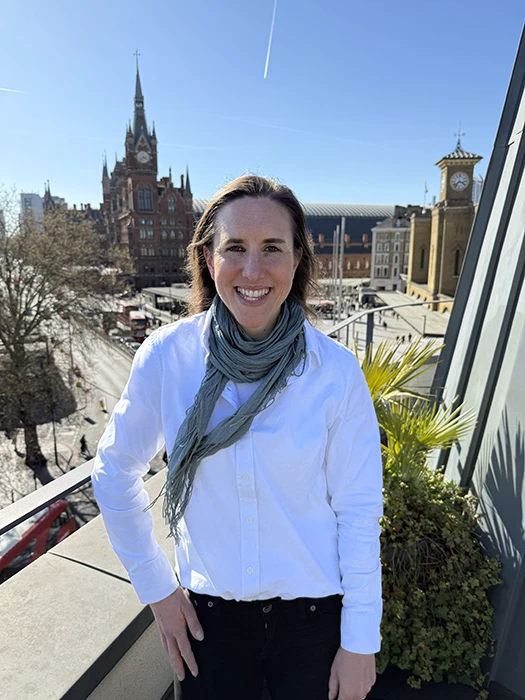
Charlotte Burrows, CEO of The Design in Mental Health Network
Opening the webinar, Charlotte Burrows outlined the strong body of healthcare research showing that the physical environment directly affects outcomes.
She named just a few examples of how physical environments influence:
- Stress and behaviour
- Sleep and recovery
- Communication and safety
- Staff performance and wellbeing
- Overall experiences of care
Charlotte noted that better-designed environments have been shown to reduce length of stay, improve patient experience, and reduce restrictive practices.
She also reflected on the importance of Ireland’s current investment moment, describing the opportunity to ensure design becomes a central part of delivering safe, therapeutic and recovery-focused mental health care.
1. Design as a “Silent Condition” in Care
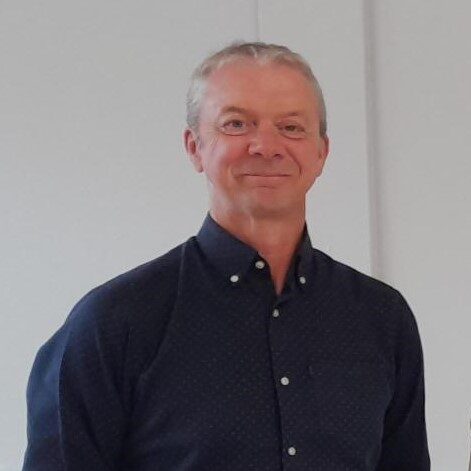
Ciaran Cuddihy – Practice Development Facilitator, HSE
Ciaran explored how design is experienced in everyday clinical practice and why environments should be viewed as an active part of care itself.
He described design as a “silent condition” – something that constantly shapes behaviour, emotional regulation, stress, autonomy, and recovery.
Drawing on his experience in mental health nursing and service development, Ciaran reflected on how environments can either support therapeutic relationships or unintentionally increase distress.
Key themes included:
- The relationship between the environment and restrictive practices
- The importance of collaboration and co-production
- Sensory impacts, including light, sound and spatial layout
- Access to nature and outdoor environments
- Personalisation, dignity and autonomy
- The emotional meaning of spaces and even the naming of buildings
Ciaran emphasised that environmental details are not cosmetic additions, but core elements of therapeutic care:
“A flickering light is not just an annoyance for people. It’s a sensory assault.”
He also reflected on how locked environments can become symbols of exclusion rather than safety if not carefully considered.
Importantly, his presentation linked directly to the evidence base developed through DiMHN’s Design With People in Mind publications, including themes such as sound, nature, seclusion, sensory environments, and the reduction of restrictive practices.
Ciaran did a brilliant interview for the Design in Mental Health Network, which you can also read:
“The Building Is the Secret Clinician” – with Ciaran Cuddihy (Mental Health Nurse and HSE Practice Development Facilitator)
Key Insight: Environment & Restrictive Practices
Ciaran discussed research showing that well-designed environments can reduce the use of restrictive interventions and improve outcomes for both service users and staff.
He highlighted several important environmental considerations, including:
- Noise reduction
- Access to daylight
- Observable communal spaces
- Flexible seating arrangements
- Lower social density
- Access to gardens and outdoor environments
He also reflected on the importance of creating workplaces that staff want to work in, linking therapeutic environments with staff wellbeing, recruitment and retention.
2. Retrofit, Reuse & Designing Within Constraints

Andrew Arnold - Architect & Director, Gilling Dod Architects | DIMHN Trustee
Andrew Arnold explored one of the major realities facing mental health services today:
Most organisations are working within existing or legacy buildings.
Rather than focusing only on idealised “blank canvas” projects, Andrew shared practical examples of how thoughtful retrofit and repurposing can transform existing spaces into more therapeutic environments.
He reflected on how refurbishment projects are increasingly becoming the norm due to:
- Ageing building stock
- Limited capital funding
- Scarcity of land on healthcare sites
- Co-location with acute services
- Sustainability pressures
But importantly, he challenged the idea that refurbishment is somehow the “poor relation” to new build.
“Sometimes refurb projects can drive design.”
Real-World Case Studies
Andrew shared several practical examples from projects across the UK, including:
Community-Based Mental Health Support
A former high street estate agent’s premises was transformed into a community-facing mental health support café in Wigan, designed to feel approachable and non-clinical.
Step-Down Residential Environments
Projects embedding mental health support into ordinary residential settings to better support recovery and community integration.
Perinatal Mental Health Unit Retrofit
A major refurbishment and repurposing project in Chester, transforming underused hospital space into a specialist mother and baby unit designed around privacy, family inclusion, access to outdoor space and therapeutic care.
Andrew repeatedly highlighted the importance of:
- Early collaboration
- Service user involvement
- Co-production
- Functional zoning
- Place-making rather than simply “space-making”
He also reflected on how existing buildings already carry social histories and emotional meaning, which can become part of the design process itself.
Key Theme: The Art of the Possible
One of the strongest themes from Andrew’s presentation was optimism.
Even within constrained estates, retrofit environments, and difficult financial realities, thoughtful design can still create meaningful change.
He described DiMHN and events like this webinar as spaces that help professionals learn from each other, build confidence, and explore “the art of the possible.”
3. Occupational Therapy Perspectives on Regulation & Environment

Brenda Garry
Occupational Therapist

Shaista Zaidi
Occupational Therapist
Brenda Garry and Shaista Zaidi brought a clinical and sensory-informed perspective to the conversation, exploring how environments can actively support emotional regulation, participation and recovery.
A central message from their presentation was that:
Regulation should not be confined to one sensory room.
Instead, therapeutic regulation should be embedded throughout the entire environment.
Designing for Regulation
The presenters explored how dysregulation often happens in:
- Corridors
- Bedrooms
- Kitchens
- Shared communal spaces
- Transitional areas
This means the full environment needs to support emotional safety and sensory regulation, not just designated therapeutic rooms.
Key themes included:
- Calm, neutral and adaptive spaces
- Reducing overstimulation
- Biophilic and nature-informed design
- Flexible sensory environments
- Lighting and glare management
- Acoustic control
- Soft materials and textures
- Predictable sensory input
- Meaningful occupation and participation
They also explored the importance of creating environments that allow users to realistically recreate or adapt in their home settings after discharge.
Small Changes, Big Impact
The occupational therapy perspective strongly reinforced the idea that relatively modest interventions can significantly influence wellbeing and function.
Examples included:
- Adjusting lighting
- Introducing softer colours and materials
- Reducing visual clutter
- Using acoustic treatments
- Creating quieter retreat spaces
- Introducing movement-based seating
- Improving access to gardens and outdoor sensory experiences
The presenters discussed how outdoor environments can support regulation through movement, rhythm, sensory feedback and calming natural experiences.
Importantly, they emphasised that safety and therapeutic design are not mutually exclusive:
“Sensory-informed design doesn’t mean compromising safety.”
Questions & Discussion
The webinar concluded with a discussion around one of the major frustrations experienced across services:
What happens when clinicians and service users are asked to co-design, but ultimately ignored in decision-making?
An attendee noted they are “given buildings” rather than genuinely involved in shaping the environment.
In response, speakers reflected on the importance of continuing to build stronger collective voices around mental health design.
Ciaran described the need to move conversations about environment and design from informal “tea room conversations” into strategic discussions and decision-making spaces.
The conversation reinforced a recurring webinar theme:
Co-production must be meaningful, not performative.
Key Themes Across the Webinar
Several themes consistently emerged throughout the session:
Design Shapes Behaviour & Recovery
The built environment directly influences emotional regulation, stress, behaviour and experiences of care.
Small Changes Matter
Therapeutic improvement is not only about large-scale capital projects. Lighting, acoustics, layout, colour, nature and sensory considerations all matter.
Co-Production is Essential
Meaningful collaboration with clinicians, estates teams and people with lived experience leads to better outcomes.
Nature & Sensory Regulation Matter
Access to outdoor environments, calming materials, natural light and sensory-informed spaces can reduce distress and improve wellbeing.
Retrofit Can Still Be Transformational
Existing buildings can still become therapeutic environments through thoughtful, creative and evidence-informed design approaches.
Safety & Therapeutic Design Can Coexist
Good mental health environments balance safety requirements with dignity, comfort and recovery-focused care.
Watch Back, Slides & Resources
Missed the live webinar or want to revisit the discussion?
This webinar is just one conversation. DiMHN brings together the lived experience, clinical knowledge, and design innovation needed to shape the future of care environments.
> Become a DiMHN member or partner with us
📆 Save the Date: DiMHN 2026 Conference | 2–3 June 2026 | Coventry Building Society Arena – book your passes here
Looking Ahead: Design for Healthcare Environments Ireland 2026
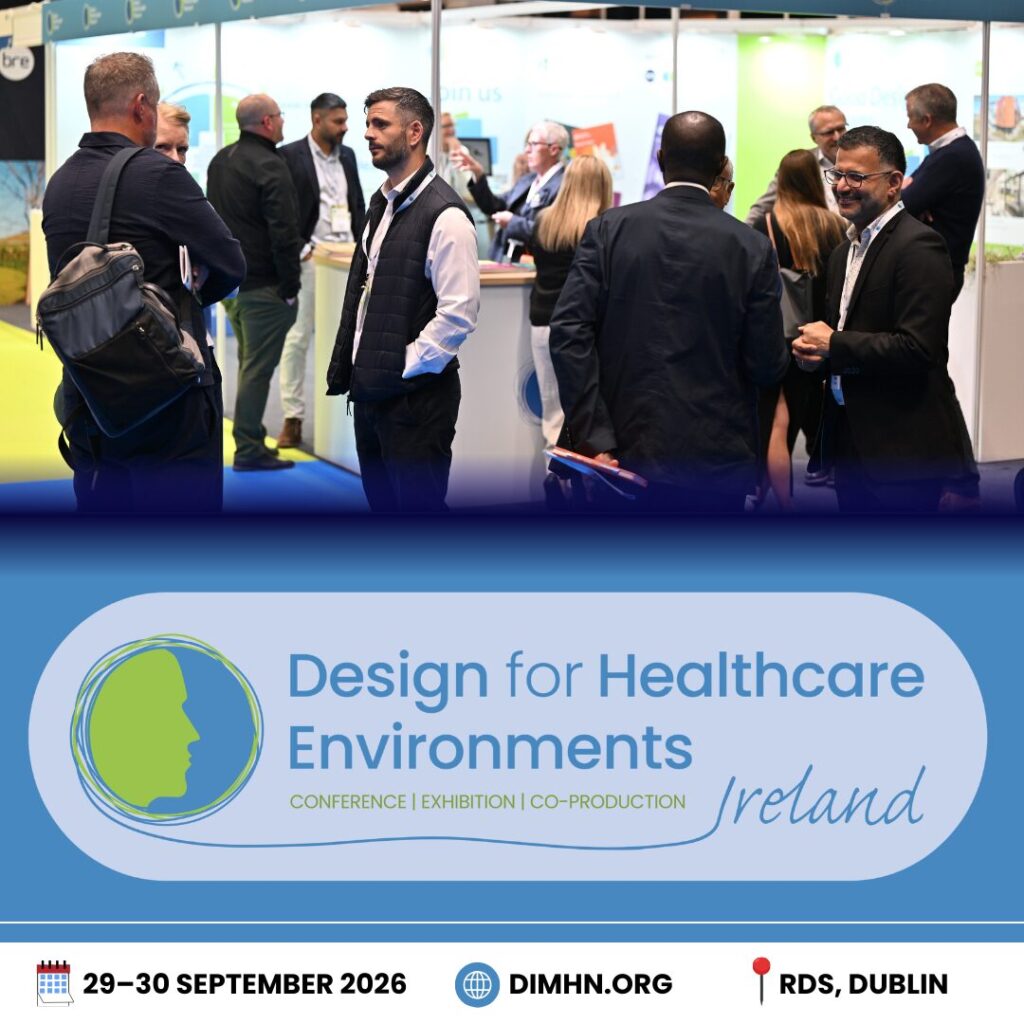
This webinar forms part of the build-up to the Design for Healthcare Environments Ireland Conference & Exhibition, taking place at the RDS, Dublin, on 29th–30th September 2026.
The event will bring together clinicians, architects, estates teams, researchers, designers, suppliers and people with lived experience to share practical learning and innovative approaches to improving mental health, intellectual disability and autism environments.
Throughout the webinar, speakers encouraged attendees to continue building collaboration across disciplines and geographies — recognising that improving mental health environments requires shared learning, evidence, lived experience and collective ambition.
As Charlotte Burrows concluded:
These are the environments where people experience some of the most significant moments of their lives: crisis, recovery, healing.
They should be the spaces we design with the greatest care and intention.