
In Conversation with Ciaran Cuddihy on Why Design Shapes Everyday Mental Health Care
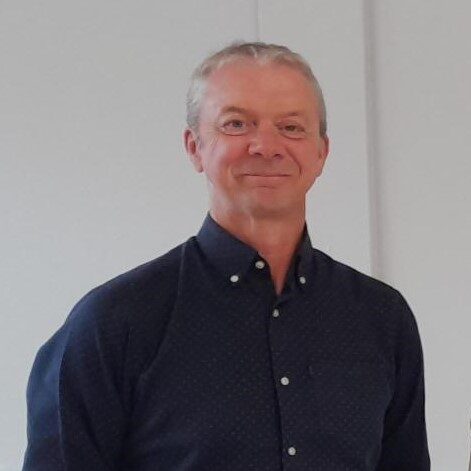
“The building is another staff member. It can either support us, or work against us.” -Ciaran Cuddihy, mental health nurse and HSE Practice Development Facilitator.
In mental health settings, design is often discussed in the context of new buildings, capital programmes, or future visions.
But for Ciaran Cuddihy, design is something far more immediate and far more influential.
It’s already shaping care.
Every locked door. Every corridor. Every flickering light. Every decision about where people sit, sleep, or spend time in distress.
Ahead of our upcoming Ireland webinar, The Case for Good Design: Creating Safe and Therapeutic Mental Health Environments, and his session at the Design in Mental Health Conference 2026, Ciaran reflects on what mental health environments really feel like in practice, and why getting design right is no longer optional.
From “We Just Worked Around It” to Conscious Design
For much of his career, design wasn’t something formally discussed, even though it was always present.
“We talked about it in tea rooms,” Ciaran explains. “We’d move chairs, change colours, try to improve things. But the reality was, you arrived at a building that was already built, and you just worked around it.”
Many environments felt familiar, sometimes too familiar.
“Magnolia walls, similar layouts, chairs against the wall, the same kind of spaces. You could walk into different units, and they’d feel almost identical.”
What’s changed isn’t that design suddenly matters; it’s that the sector is finally naming its importance.
Ciaran points to several overlapping shifts:
- A stronger focus on reducing restrictive practices
- The rise of person-centred care
- Greater emphasis on human rights and service user agency
- A broader societal shift towards inclusion and participation
“Service users aren’t passive anymore. They’re active participants. That changes everything, including how we think about space.”
The Small Things That Shape Big Experiences
When people think about design, they often imagine new builds or major refurbishments.
But Ciaran is clear: some of the most powerful design decisions are the smallest.
What do we call a place?
“What we call a place really matters,” Ciaran says.
“It’s the first thing someone encounters, and it sets the tone for everything that follows.”
In many mental health settings, names have historically been functional, clinical, or rooted in legacy, like the ‘Department of Psychiatry, saint-based hospital names, or institutional labels that made sense from an organisational perspective.
But for someone arriving in distress, those words can land very differently.
Ciaran encourages us to think more carefully about that moment.
A person might be in crisis, overwhelmed, frightened or unsure of what’s about to happen.
“And the very first thing they’re asked to process,” he explains, “is the name of the building they’re entering.”
A term like “Department of Psychiatry” for someone in that moment, it can feel clinical and impersonal, intimidating or overly medicalised or disconnected from care, support, or recovery
“First of all,” Ciaran points out, “it’s not really what the place is. And secondly, what does that mean to someone in the middle of trauma?”
The name becomes part of the emotional framing of the entire experience.
It shapes:
- expectations of care
- perceptions of safety
- whether the space feels human or institutional
And it doesn’t exist in isolation.
What happens when you walk through the door?
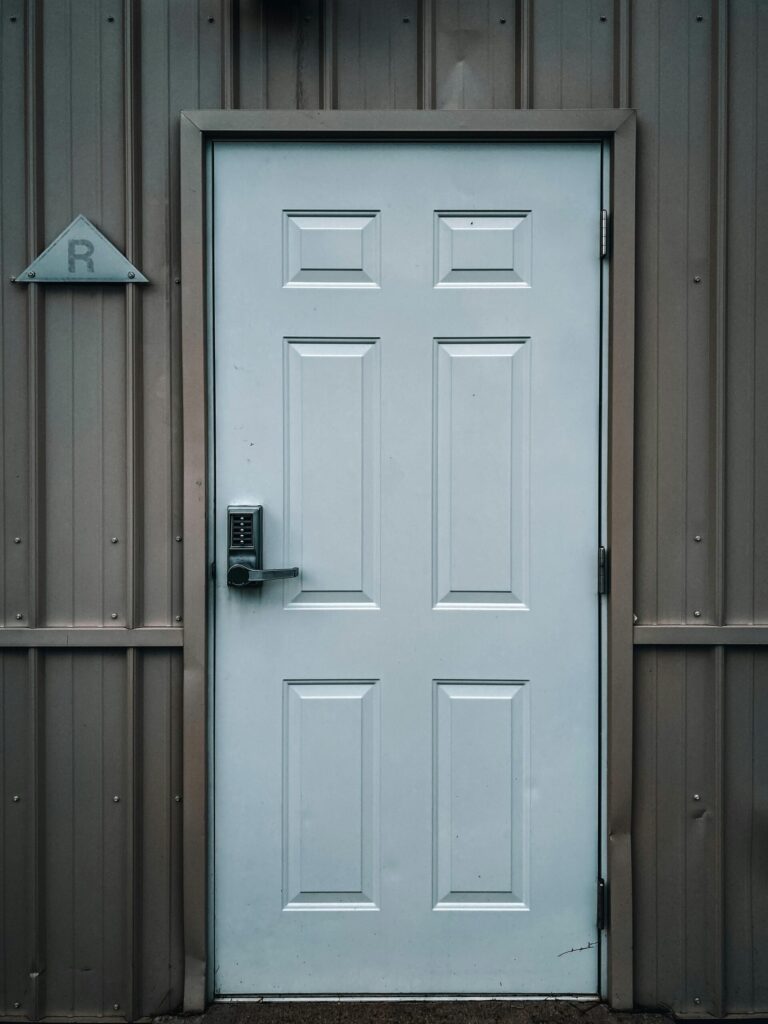
“The next thing you meet is often a locked door. Then a security guard.”
That sequence matters.
Without explanation, it can create a narrative that feels:
- custodial
- restrictive
- even prison-like
“People fill in the gaps themselves,” Ciaran explains. “And the story or narrative they create isn’t always a helpful one.”
That’s why naming isn’t a superficial or cosmetic decision.
It’s part of a broader design responsibility, one that considers how environments communicate meaning, dignity, and purpose from the very first moment.
From Control to Choice
Historically, many mental health environments were designed around staff control.
Now, that mindset is shifting.
“There was a sense that we owned the building, and service users were recipients within it,” Ciaran reflects.
“But really, it’s their space. We’re there to support them.”
That shift shows up most clearly in independence and choice.
Single rooms, which are now more common, are a significant step forward.
“They give people control. The ability to make decisions, even small ones, is hugely important.”
Those choices might seem simple:
- turning a light on or off
- adjusting temperature
- opening a window
- locking a door
But in environments where control is often limited, they become deeply meaningful.
This aligns closely with insights from Dr Shelley James, who describes control over lighting as a key driver of dignity and wellbeing.
Why Lighting Matters More Than We Think – Especially in Mental Health Spaces

Nature as a De-escalation Tool

If there’s one intervention Ciaran returns to again and again, it’s this:
Getting outside is so important.
“I’m a huge believer in nature as a de-escalator,” he says.
“It’s one of the most powerful tools we have in our toolkit.”
But access isn’t always straightforward.
Even when outdoor spaces exist, they’re often restricted:
- limited hours
- controlled access
- locked doors
“That defeats the purpose,” he explains.
“If I didn’t have access to the outside, I’d feel restricted straight away.”
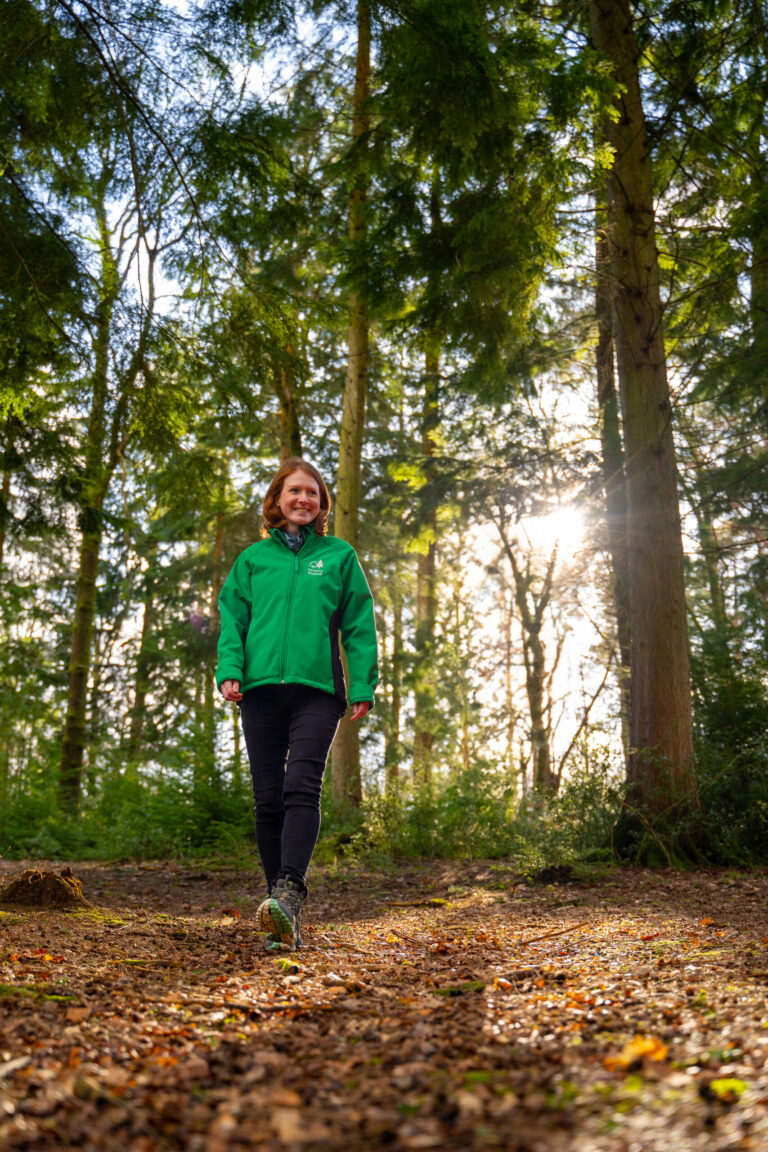
This echoes Ellen Devine’s lived experience, who describes nature not as an optional extra but as a lifeline in recovery.
Healing Through Nature in Mental Health Spaces – An interview with Ellen, a Lived Experience Expert with the Design In Mental Health Network and Wellbeing Projects Manager at Forestry England
Where access isn’t possible, innovation is stepping in, something Ciaran is exploring through virtual reality (more on that below).
When Buildings Work Against Care
In many settings, staff aren’t supported by the building, but they learn to work around it.
“We’re often landed with buildings,” Ciaran says. “They’re handed over, and then we figure out how to make them work.”
That challenge isn’t just about design quality, it’s about how little input frontline teams have had in shaping those environments in the first place.
As a result, the mismatch shows up in everyday practice.
It can look like:
- spaces that don’t reflect how care actually happens
- layouts that disrupt flow rather than support it
- environments where staff and service users are navigating around constraints rather than being supported by design
Doors are a good example.
“We need them for fire safety,” Ciaran explains,
“but we end up working in compartments rather than flowing through spaces.”
That fragmentation can affect:
- movement
- visibility
- connection between spaces
Other pressures build on top of that:
- noisy, busy ward environments
- limited access to outdoor space
- buildings constrained by urban footprints or attached to general hospitals
In Ireland, these environmental challenges sit alongside wider system pressures.
“We have the same issues as everywhere,” Ciaran says.
“Recruitment, retention, increasing demand.”
But one factor is particularly visible in how spaces are used day-to-day:
documentation.
“There’s a huge amount of recording,” he explains.
“And we’re still largely on pen and paper.”.
“Staff are spending more time in offices than they should be, and it takes them away from their contact with service users.”
Digital transformation is on the horizon, and Ciaran is optimistic about its potential, having worked in a digital-first facility in Dublin, which he enjoyed.
In practice, that means environments are often adapted in real time, with staff working within the constraints of buildings that were not designed for these pressures.

The Missing Piece: Collaboration
One of the clearest themes from Ciaran’s experience is this:
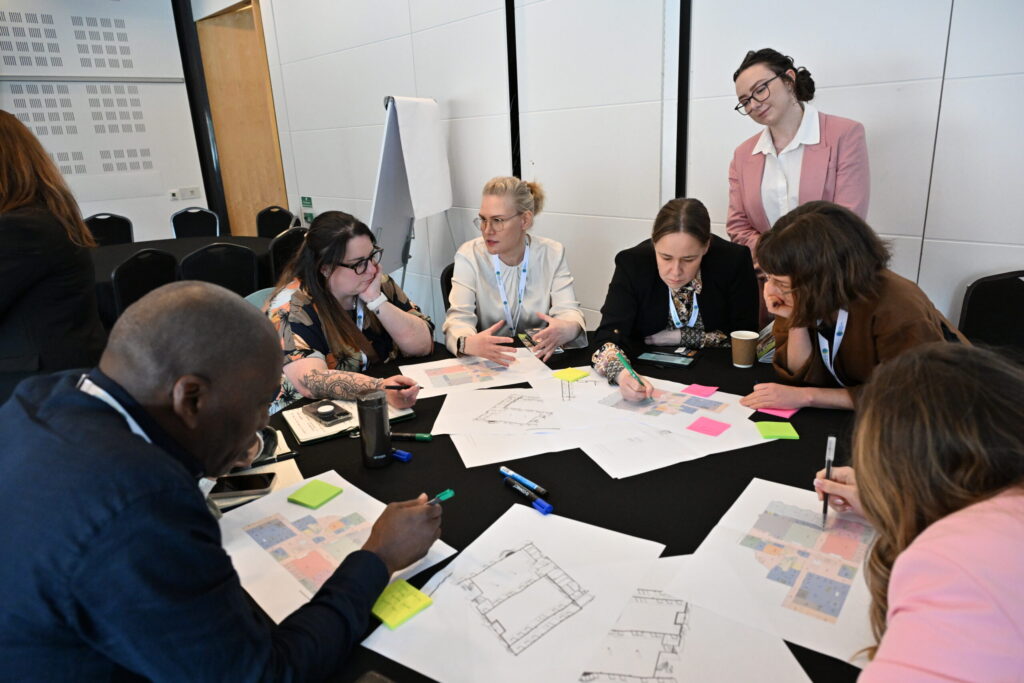
We haven’t collaborated enough or soon enough.
“We don’t want to be handed a building and asked, ‘Is this okay?’” he says.
“We need to be involved from the beginning.”
That includes:
- clinicians
- service users
- estates and maintenance teams
- designers and architects
“If there isn’t a seat at the table, bring your own chair.”
For Ciaran, this reflects a shift in mindset. Frontline staff and service users can’t afford to wait to be invited into design conversations. Their insight is too important to come in at the end, once decisions have already been made.
Without that input, critical details get missed.
Ciaran shares a powerful example of a medication room, something that he will dive into deeper at the webinar:
- well-designed on paper
- visually appropriate
- but functionally flawed
“There was too much traffic, not enough space, poor lighting. The data I looked into showed that incidents were happening there regularly.”
The issue wasn’t the design; it was the lack of lived experience in the design process.
Sensory Design: More Than Aesthetics
Design isn’t just visual, it’s also sensory. In mental health environments, sensory experience can either calm or overwhelm.
Layout matters
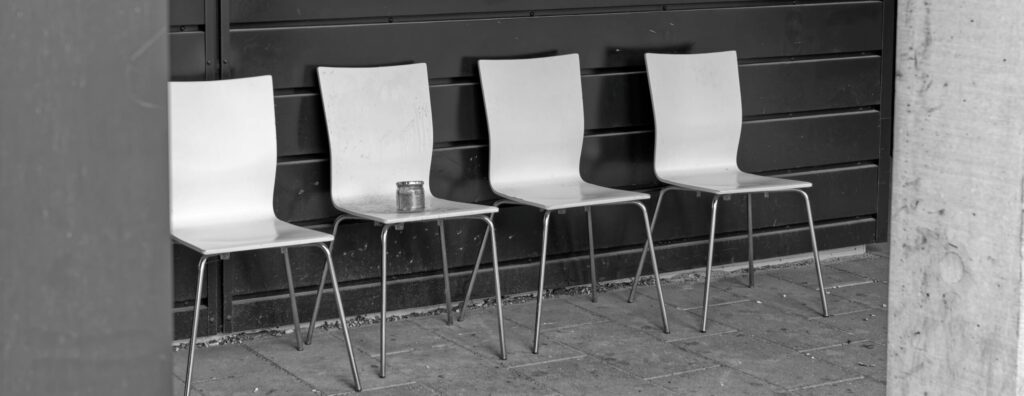
“Chairs around the wall, we’ve all seen it,” Ciaran says.
But small, thoughtful changes can shift the entire dynamic of a space.
“Simply changing the layout, even placing chairs at 90 degrees, or angling them towards a window, can improve interaction straight away.”
Instead of creating environments where people sit passively or feel observed, these subtle adjustments:
- encourage conversation
- reduce intensity in face-to-face interactions
- Give people something else to focus on, like natural light or the outside world
“It’s about giving people options in how they engage,” he explains, whether that’s with others or simply with the space around them.
Sound matters
Noise is a constant challenge.
Ciaran contrasts:
- radio blaring with no choice of the station for service users
vs - curated music chosen by service users
In one ward, a music group created a shared playlist, each song tied to a personal story. We also worked with a musical therapist to provide musical choices from the service users over WhatsApp during COVID times.
“It meant something to someone. That’s the difference.”
Quiet matters
“Everyone needs a quiet space at some point in the day,” he says.
“And it should be easy to access, not locked away.”
In busy, often overstimulating environments, the ability to step away, without barriers (i.e. a quiet room with a locked door), is essential.
Designing for Safety Without Losing Dignity
Ciaran’s work on reducing restrictive practices brings design into sharp focus.
“The environment plays a huge role in escalation or de-escalation,” he explains.
Much of it comes down to space, choice, and what happens when someone becomes distressed.
“It starts with giving people their own space,” he explains.
“Their room, their ability to make choices, and then what they’re coming out into.”
Key factors include:
- access to personal space
- availability of quiet areas
- ease of movement through the environment
- access to outdoor and nature-based spaces
When those elements are missing, pressure can build quickly.
“One of the big flashpoints on wards has always been, ‘I need to get out of here,” he says.
That’s where design becomes critical.
Locked doors remain a complex and often contested feature.
“I don’t believe in them myself,” Ciaran says, “but I work within a system that does.”
Which means the focus shifts to how we design within those constraints:
- clearer wayfinding away from points of tension
- access to alternative spaces
- creating environments that offer relief, not containment
The same applies to more restrictive areas.
“If we’re going to have them,” he says, “we need to design them as well as we can.”
In practice, that means moving away from spaces that feel punitive and towards environments that support safety while maintaining dignity.
Ireland’s Moment of Opportunity
With significant investment in mental health infrastructure across Ireland, Ciaran sees a rare opportunity.
“This is the moment,” he says, “to bring everyone together at the beginning, not after decisions are made.”
There is a risk of repeating old patterns:
- retrofitting solutions
- designing in silos
- missing frontline insight
The opportunity is around creating environments that are:
- co-produced
- evidence-informed
- genuinely therapeutic
International Influence and Insights
Ciaran is clear that Ireland doesn’t need to start from scratch. There is a huge amount to learn from international examples.
“I’d be very open to visiting anywhere that’s doing this well,” he says.
In particular, he points to Scandinavian approaches, where design is often grounded in:
- nature
- trauma-informed thinking
- a strong sense of dignity and normality in care environments
“They seem to have a very nature-based, trauma-informed lens,” he reflects. “And I think we can learn an awful lot from that.”
That perspective didn’t come from policy or training; it started with a book he highly recommends.
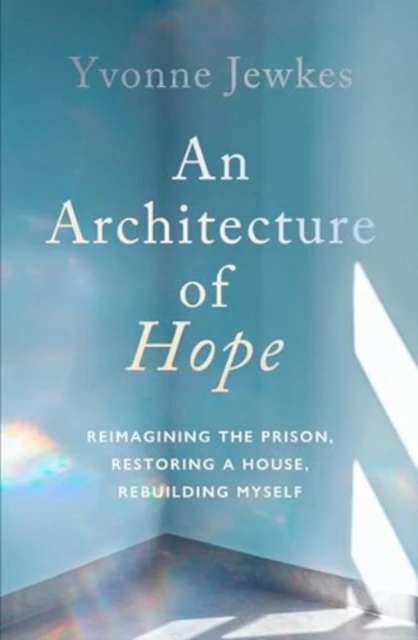
Ciaran recalls reading An Architecture of Hope by Dr Yvonne Jewkes, a professor of criminology at the University of Bath who was the keynote speaker at our Design in Mental Health conference 2025. She works in prison environments, and her work explores how space can influence behaviour, wellbeing and rehabilitation.
“That was my entry point into all of this,” he says, “It opened up a completely different way of thinking.”
From there, one idea led to another, eventually connecting him with the Design in Mental Health Network and a wider community focused on how environments shape care.
“That’s how it started for me,” he reflects. “And it just grew from there.”
There are already examples of this thinking closer to home, too, including collaborative projects like The Brook, which demonstrate what’s possible when design begins with people, not just plans.
Check out the Sensory-Informed Design in Practice – The Brook Webinar Reflections here
Innovation in Practice: Virtual Reality as a Design Tool
Ciaran’s upcoming session at the Design in Mental Health Conference 2026 explores a different kind of design intervention.
Virtual reality.
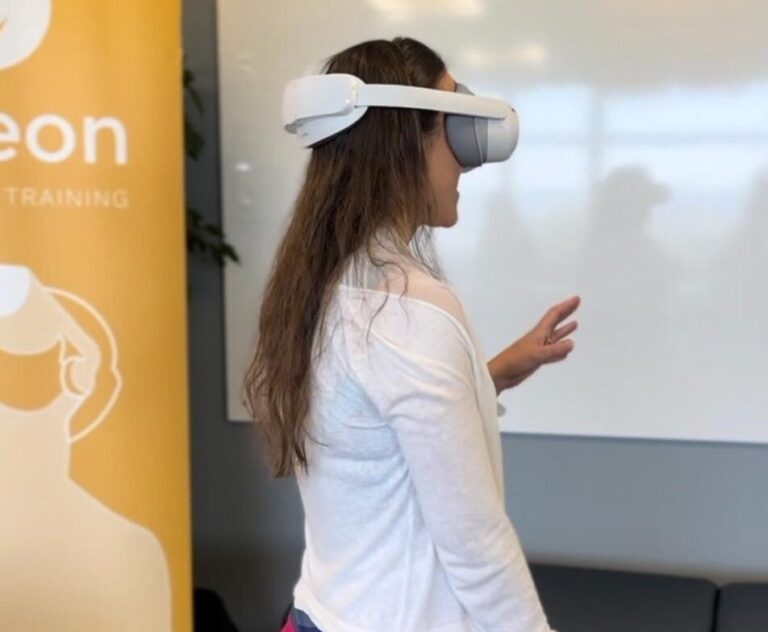
Inspired by a simple moment, trying a VR headset, the idea quickly evolved into a practical solution.
The challenge:
- limited space
- noisy environments
- restricted access to nature
The response:
- immersive 15-minute VR experiences
- beaches, forests, calming landscapes
The results so far:
- reduced anxiety
- positive emotional responses
- reminiscence and memory activation
- improved staff–service user conversations
“It’s not just the experience,” Ciaran explains, “It’s what happens after – the conversation it opens up.”
In that sense, VR becomes:
- a de-escalation tool
- a therapeutic bridge
- and a complement to, not replacement for, good physical design
“The Building Is the Secret Clinician”
For Ciaran, everything comes back to one idea.
“The building is the secret clinician,” he says. “It’s another staff member, and it can either help us or it can work against us.”
It shows up in everyday moments:
- whether someone has space or feels crowded
- whether they can access quiet or are surrounded by noise
- whether they can step outside, or feel contained
And in how staff are able to work:
- supported by the environment
- or adapting around it
In that sense, the building isn’t passive.
It’s actively shaping:
- how people feel
- how staff respond
- and what kind of care is possible in that moment
And often, that comes down to design decisions we don’t always notice, until they start to work against us.
Join the Conversation
This isn’t just a design issue. It’s a care issue. A safety issue. A human rights issue.
And it’s a conversation that needs everyone.
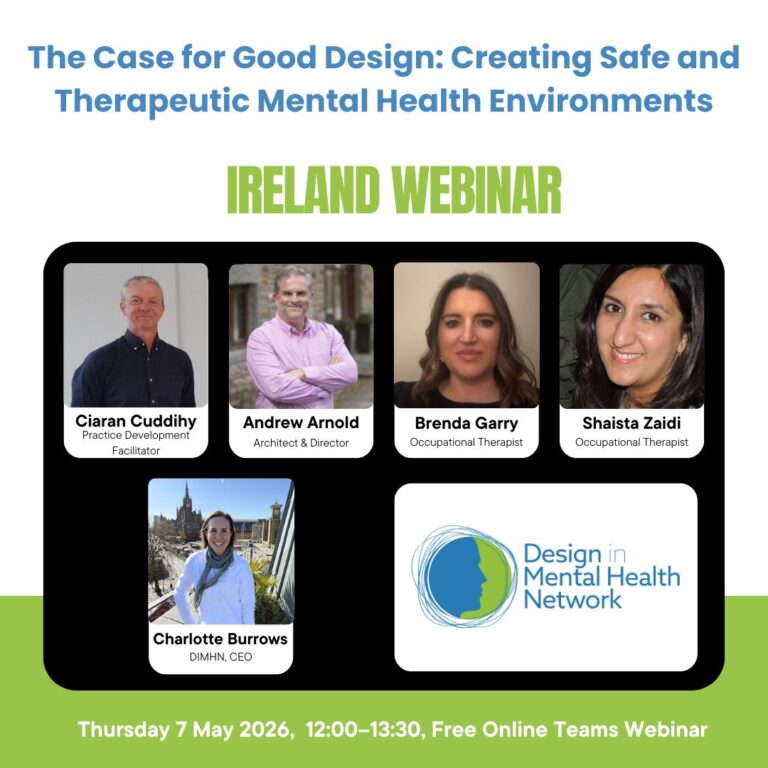
📅 Ireland Webinar – 7th May
The Case for Good Design: Creating Safe and Therapeutic Mental Health Environments
June 2026: Design in Mental Health Conference, Exhibition and Awards

 2–3 June 2026 |
  Coventry Building Society Arena, UK
On 2–3 June 2026, we come together once again for the Design in Mental Health Conference, Exhibition and Awards at the Coventry Building Society Arena. Come along and hear Ciaran speak about his Virtual Reality project!
This is the UK’s leading event dedicated to the mental health built environment, and it remains a key date in the calendar for everyone involved in designing, building, equipping, refurbishing, managing and using spaces for mental health care.
The event is curated to provide a forum for learning, knowledge-sharing, and staying up to date with best practices, emerging thinking, and innovative solutions. It brings together professionals from across funding, design, construction, management and clinical delivery, creating space for the meaningful conversations that help move the sector forward.
Whether you are looking to deepen your knowledge, discover new solutions, reconnect with peers, or bring practical ideas back to your organisation, this event is not to be missed.