
Designing Mental Health Emergency Departments
Good design principles, practical principles and shared learning
As Mental Health Emergency Departments (MHEDs) are developed across England, there is an important opportunity to consider how the environments in which emergency mental health care takes place can better support the people who use and work in them.
For someone experiencing a mental health crisis, the physical environment is not simply a backdrop to care.
The journey to a service, the experience of arriving, the welcome they receive, the levels of noise and light, opportunities for privacy and connection, and the ability to feel safe and retain some choice can all influence their experience.
These considerations matter whether care is delivered in a dedicated MHED, a crisis assessment centre, an existing emergency department or another urgent mental health setting.
The Design in Mental Health Network (DiMHN) has been working with NHS England, people with lived experience, and professionals from across the sector to support this work through practical design principles and shared learning.
The challenge is to create environments that support safe, compassionate, and therapeutic care while responding to the realities of clinical practice, local services, and available resources.
Why design matters
Mental Health Emergency Departments are an emerging approach within England’s wider mental health urgent and emergency care provision.
Services are developing in different ways, shaped by local populations, clinical pathways, existing buildings and operational arrangements.
There is no single design solution that will be right for every setting.
However, many teams are encountering similar questions.
How can an environment feel welcoming without compromising safety?
How can it support people experiencing distress, trauma or sensory overload?
How should spaces accommodate different levels of need while protecting dignity and privacy?
And how can clinical teams, estates professionals, designers and people with lived experience work together to make better decisions before plans become difficult or costly to change?
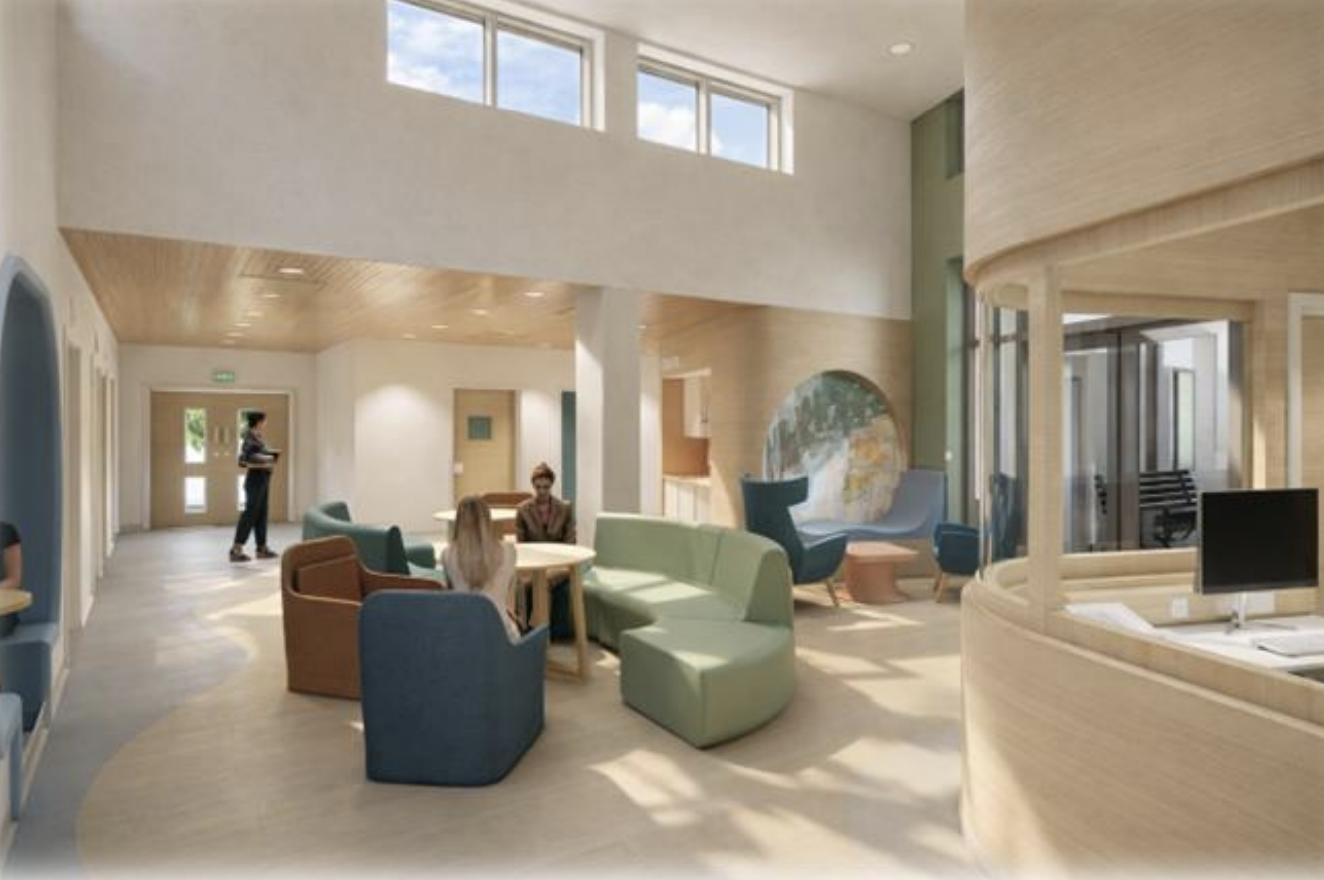
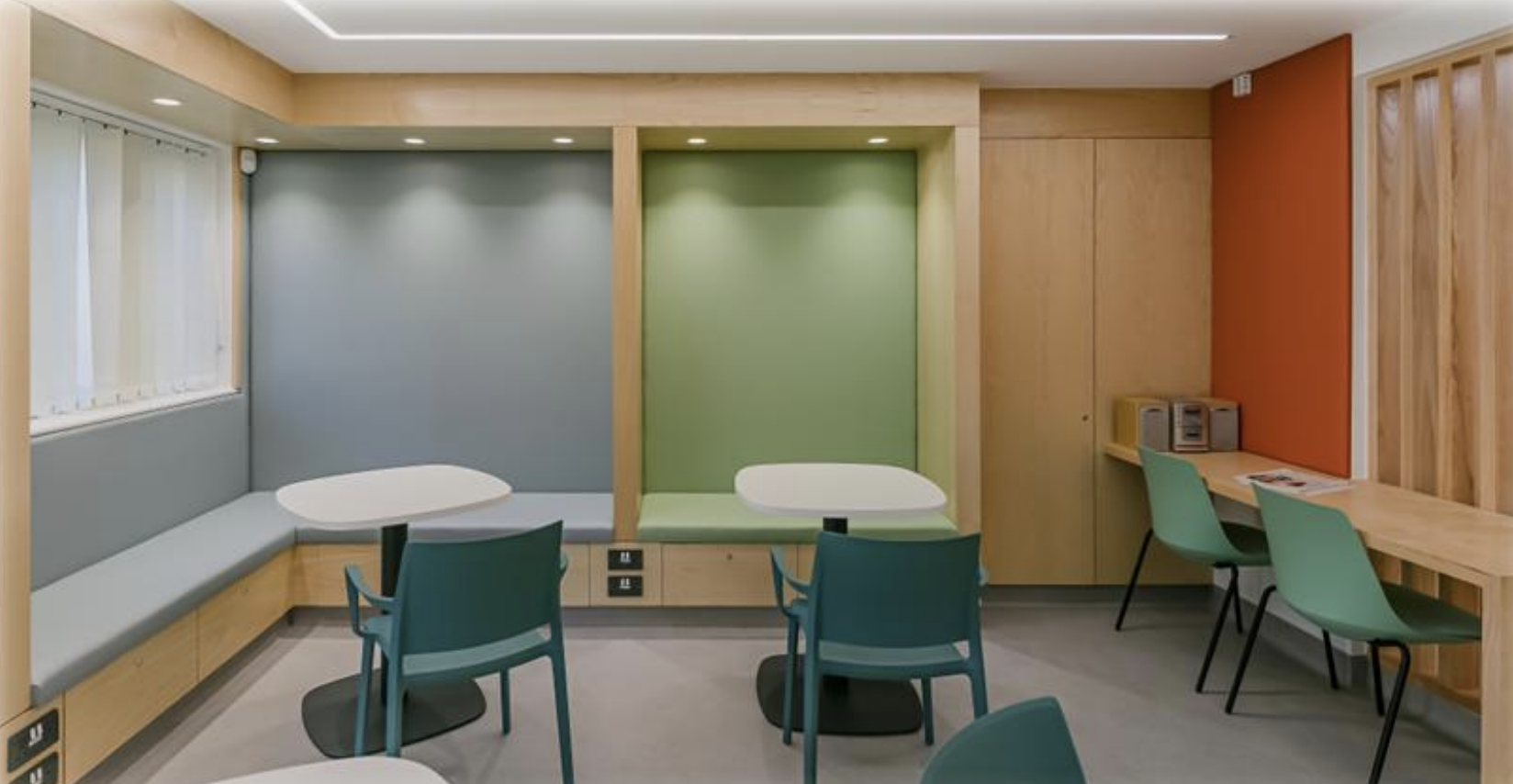
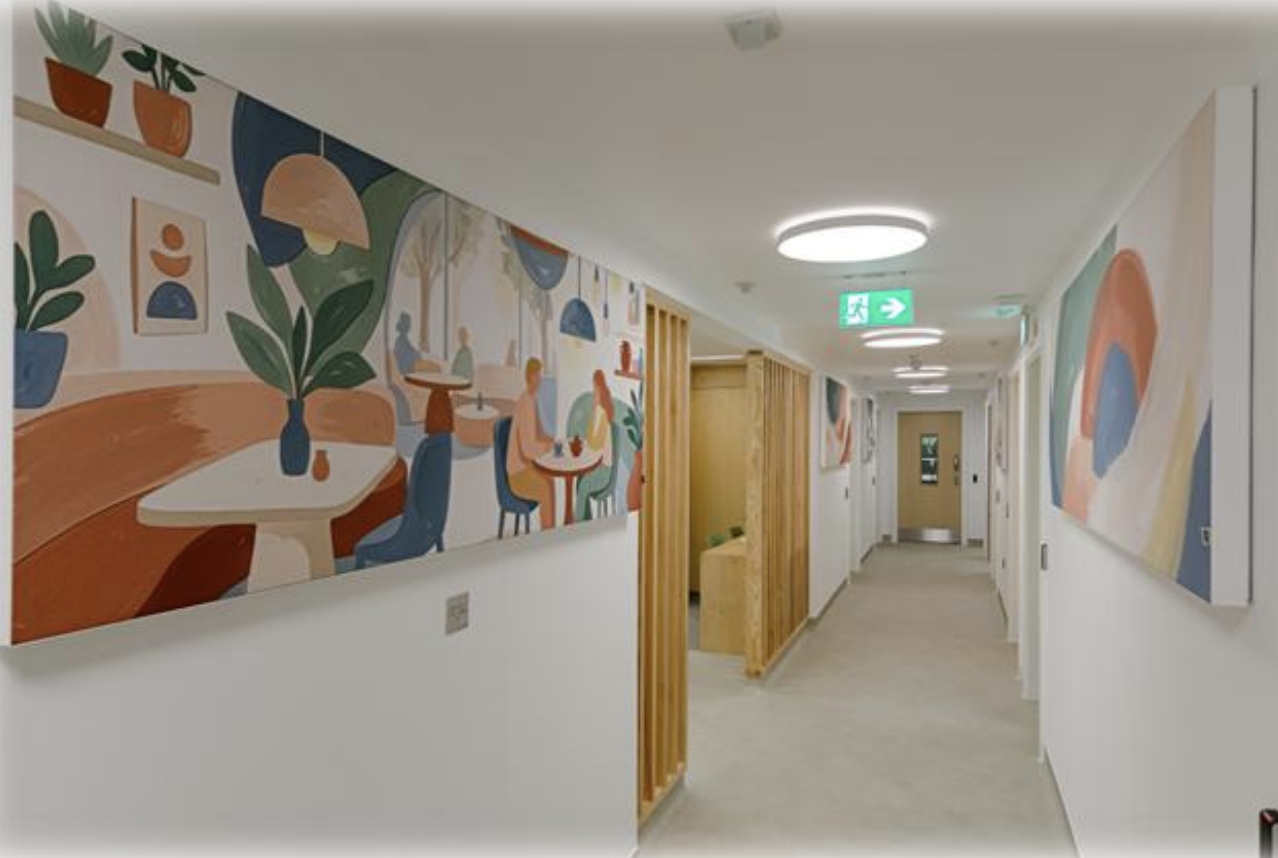
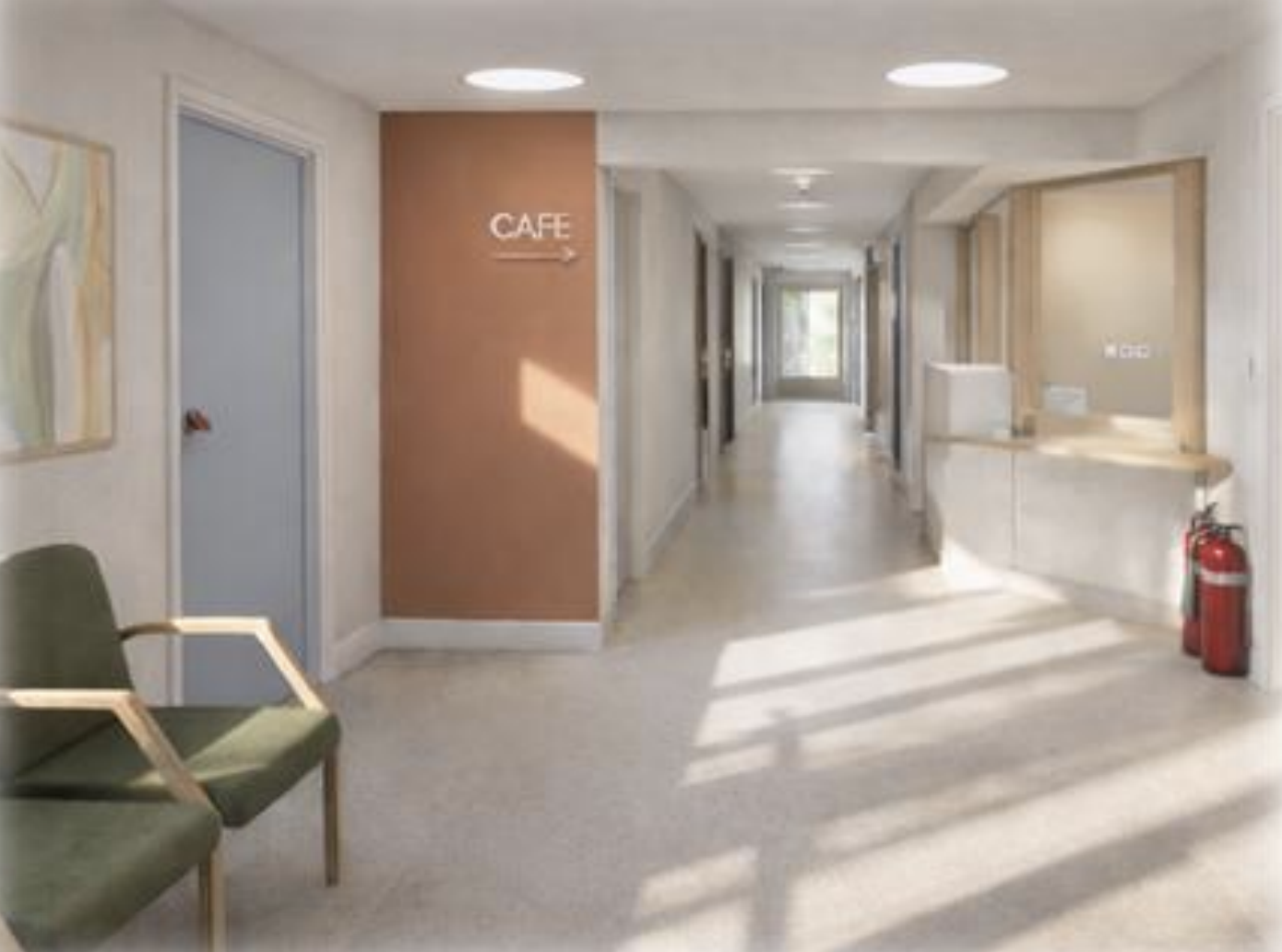
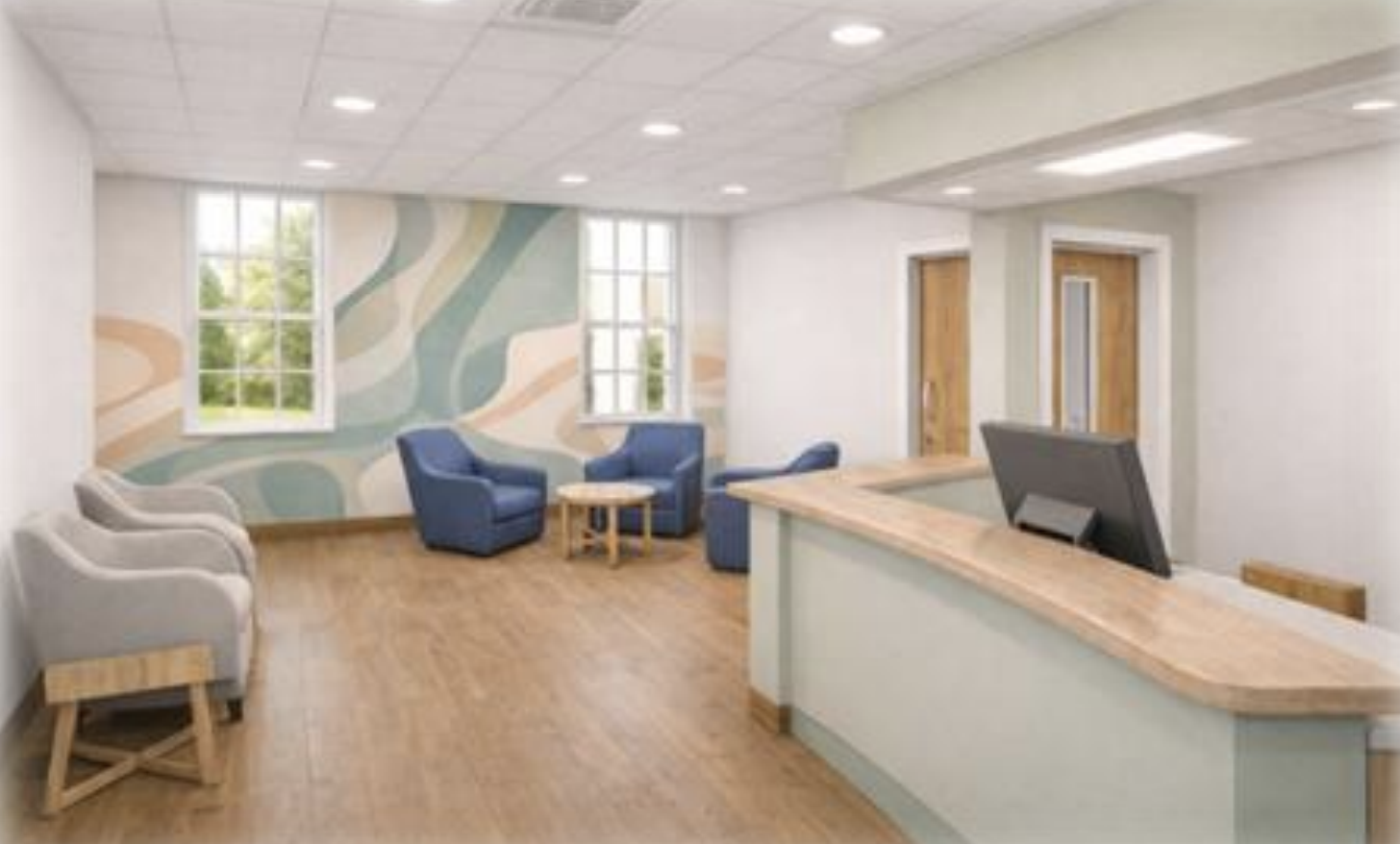
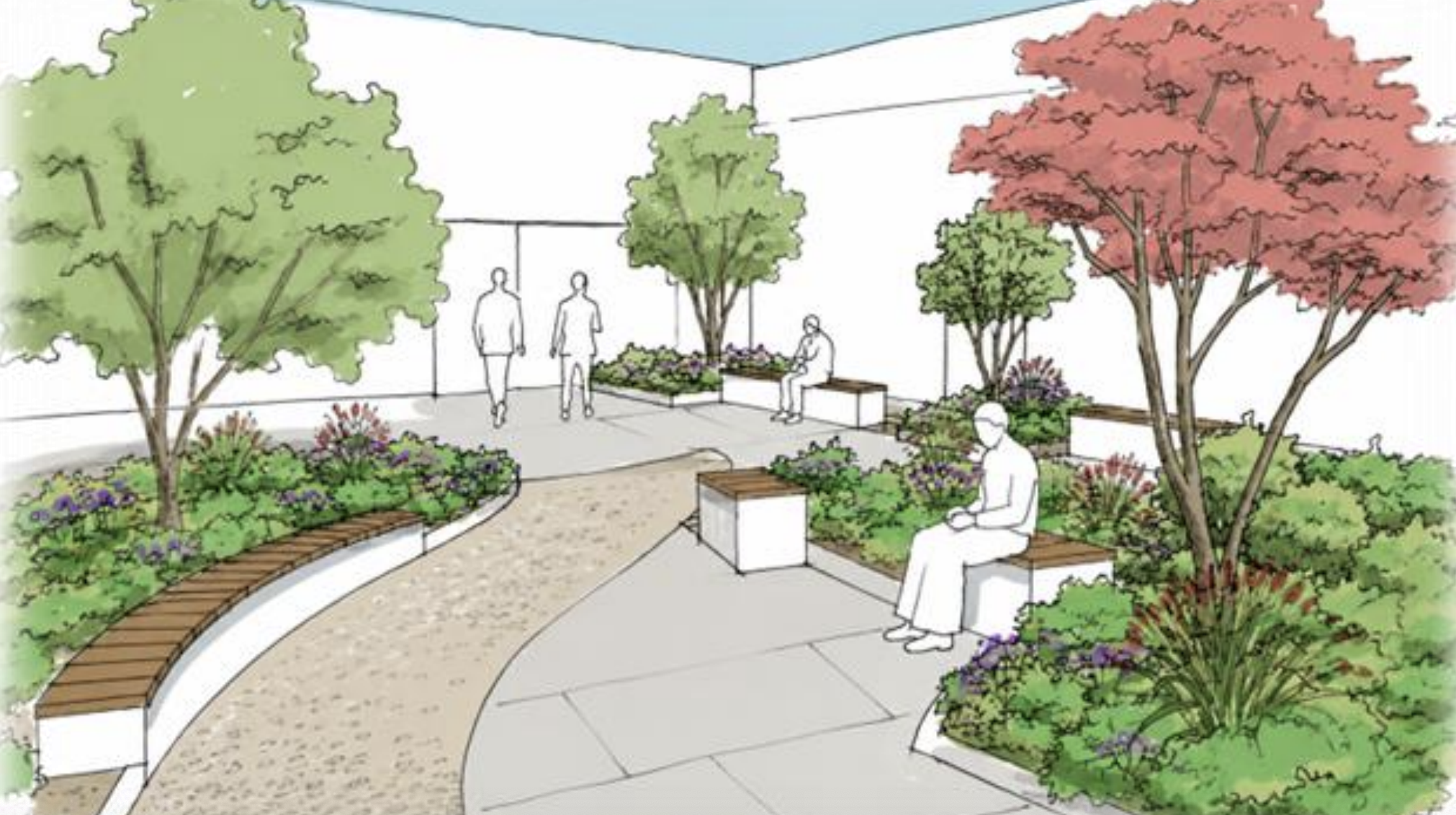
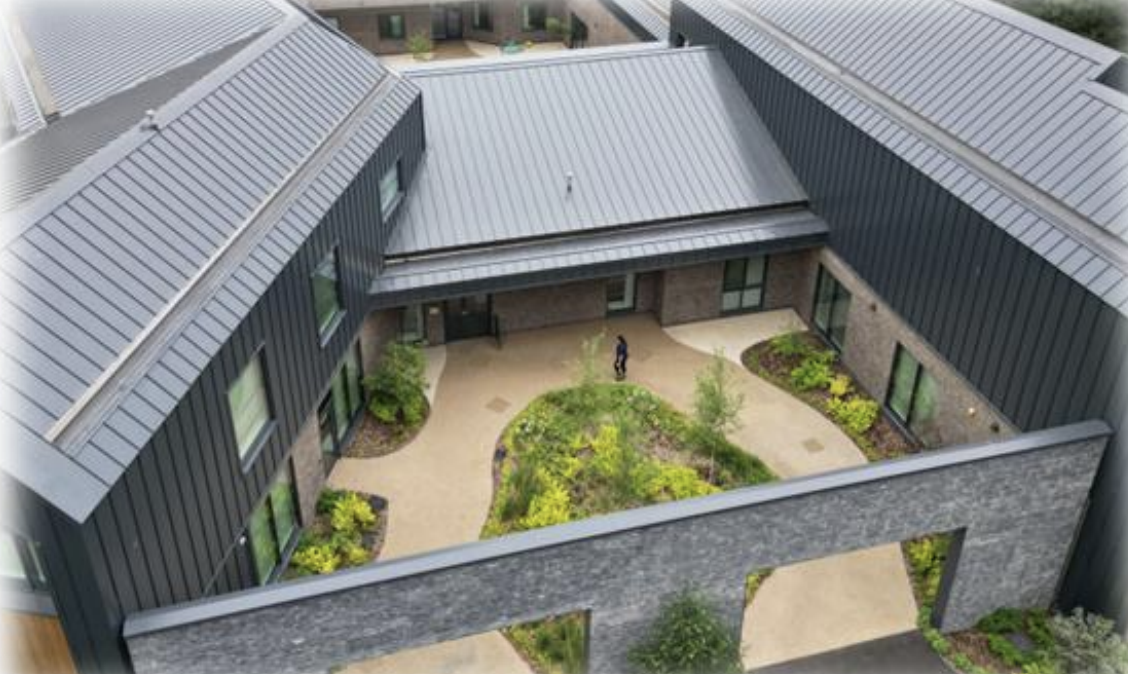
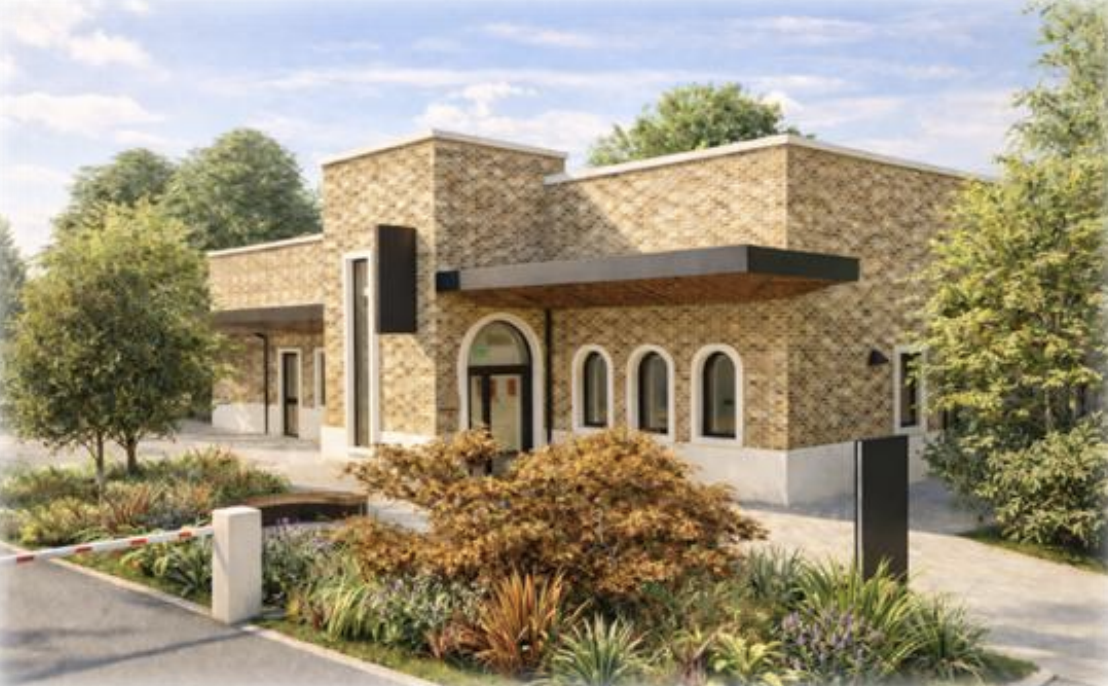
These are questions that deserve careful consideration from the earliest stages of a project.
Good design begins by understanding the people, the purpose of the service and the experience of care – not by starting with a room list.
Good Design Principles for Mental Health Emergency Departments
Practical principles developed with NHS England
DiMHN and NHS England have brought together multidisciplinary expertise to develop Good Design Principles for Mental Health Emergency Departments.
The principles draw on emerging learning from early services, lived experience, clinical and operational expertise, estates and design professionals, regulatory insight and relevant research.
Their purpose is to help local teams translate their agreed clinical and operational models into environments that are safe, therapeutic, inclusive and functional.
The principles are intended to support decisions throughout a project’s development, from early planning and briefing to procurement, mobilisation and review once a service is operational.
They comprise two complementary resources:
The Core Guide
An accessible, principles-based guide setting out ten considerations for the planning and design of MHED environments, supported by practical questions and checklists.
The Supporting Resource and Technical Annex
A more detailed resource bringing together supporting evidence, technical considerations, relevant principles and examples of emerging practice.
These resources are designed to be used together, with teams drawing on the level of detail appropriate to their project and stage of development.
They are not a new Health Building Note, a mandatory national design standard or a prescribed layout for every MHED.
Instead, they provide a framework for informed discussion, local decision-making and ongoing learning. Importantly, there is also the opportunity to keep contributing through shared learning, case studies, and data.
Ten principles for better environments
The Good Design Principles encourage teams to look beyond individual rooms and specifications and consider how the whole environment supports the intended model of care.
They address ten interconnected areas:
01
Function before form
Understand the service, its purpose, population and pathways before determining the physical layout.
02
Arrival is part of care
Consider the journey, entrance, welcome and first contact as part of the therapeutic experience.
03
The environment actively supports regulation and recovery
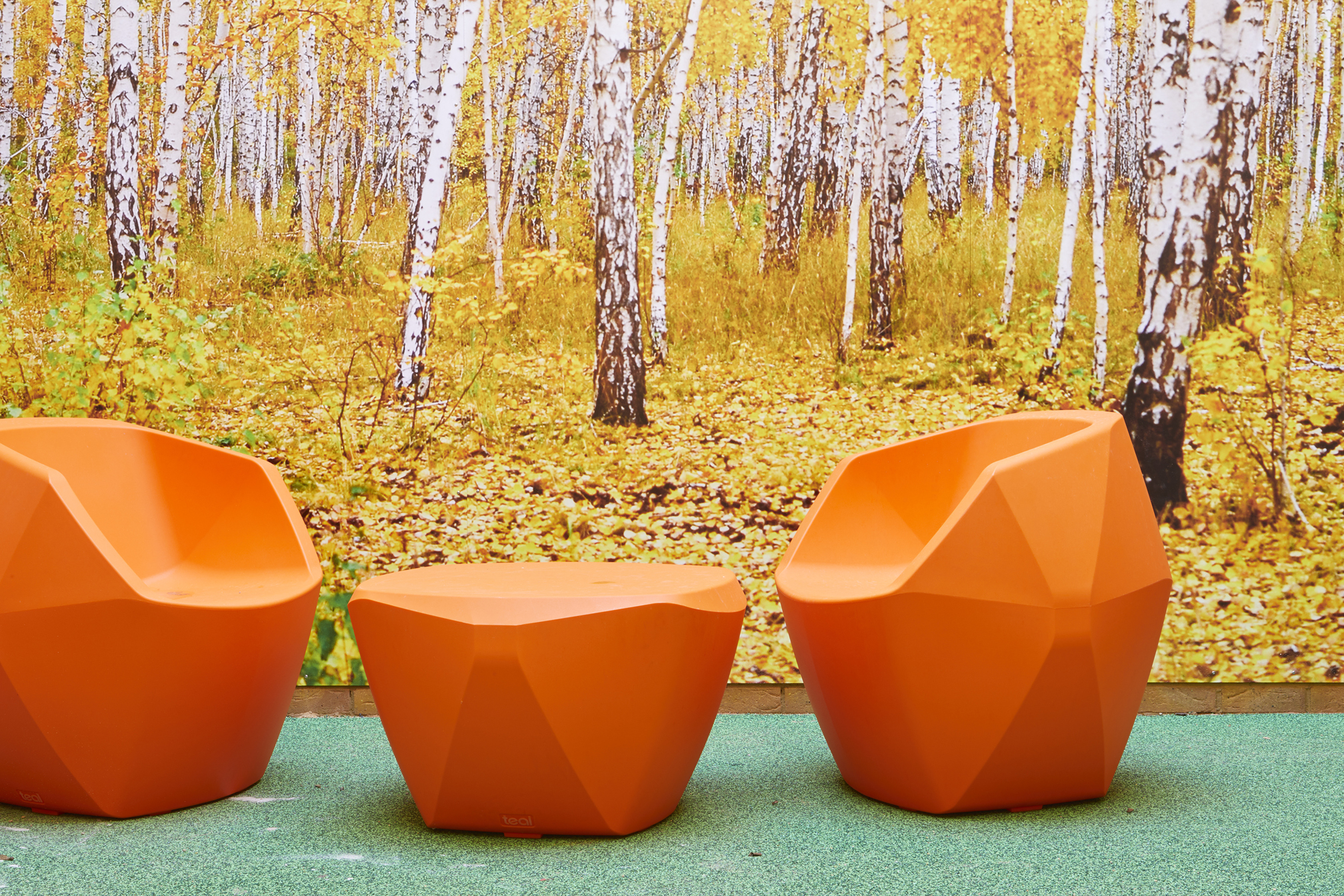
Use sensory-informed and trauma-aware design to reduce avoidable distress.
04
Safety, dignity and least restriction are designed together
Manage foreseeable risks proportionately while protecting privacy, autonomy and choice.
05
Equity and inclusion are core requirements
Design for a diverse population, recognising different physical, sensory, cognitive, communication and cultural needs.
06
Physical and mental healthcare are integrated
Ensure the environment supports appropriate physical healthcare and safe access to other services when required.
07
Observation, staff presence and workflow support therapeutic care
Consider how people move through the service and how different activities and interactions are supported.
08
Dignified waiting includes practical needs, privacy and connection Staff are enabled to deliver safe, compassionate care
Design for the practical and wellbeing needs of teams as well as the people receiving care.
09
The environment is deliverable, adaptable and sustainable
Consider operational realities, maintenance, affordability and future change.
10
Learning and improvement are built in
Review how environments perform and use that learning to inform future decisions.
Underlying all ten principles is a commitment to meaningful multidisciplinary involvement.
People with lived experience, families and carers should have opportunities to influence decisions alongside clinical, operational, estates and design teams.
The aim is not simply to consult people on plans that have already been developed, but to ensure their knowledge helps shape the questions being asked and the decisions being made.
A Design Community of Practice for shared learning
Learning together as MHEDs develop
As new environments are planned, delivered and brought into use, practical learning is emerging across NHS organisations, designers, people with lived experience, and industry.
DiMHN’s Mental Health Emergency Departments and Crisis Care Environments Design Community of Practice provides a space to share that learning.
The Community of Practice brings together people from NHS teams, clinical services, estates and capital projects, architecture and design, industry and lived experience.
Its purpose is to explore common challenges, exchange practical experience and help teams learn from one another rather than repeatedly working through the same questions in isolation.
Discussions have explored topics including:
- Developing effective briefs and agreeing the model of care before fixing layouts
- Designing arrival, reception and first-contact experiences
- Balancing environmental safety with dignity and therapeutic quality
- Sensory-informed design, accessibility and inclusion
- Delivering projects within existing buildings, constrained sites and capital budgets
- Learning from operational services and related crisis care environments
- Making space for families, carers, advocates and peer support
- Providing dignified waiting, with opportunities for rest, refreshments, activity and connection
- Integrating physical and mental healthcare, medicines management and safe access to other services
- Designing staff bases, sightlines and workflows that support therapeutic contact, staff safety and wellbeing
- Selecting materials and finishes that meet therapeutic, infection prevention and maintenance needs
- Designing for digital from the outset, ensuring spaces and infrastructure support systems, communication and technology-enabled care
The Community of Practice provides a forum for testing assumptions, sharing experience and identifying where further evidence or principles are needed in relation to design.
What are we learning?
Several themes are emerging from the work so far.
The experience of care begins before the front door.
How someone finds, approaches and enters a service can affect their sense of safety, confidence and willingness to engage.
Small environmental decisions can make a significant difference.
Lighting, acoustics, furniture, materials, wayfinding and opportunities to withdraw from busy spaces all deserve careful attention.
Safety and therapeutic quality must be considered together.
A proportionate approach to environmental risk can help avoid unnecessarily restrictive or institutional settings.
The design brief matters as much as the finished building.
Decisions about the model of care, staffing, pathways and operational responsibilities need to inform the environment from the outset.
Lived experience must influence decisions, not simply validate them.
Meaningful co-production requires involvement early enough to shape priorities and challenge assumptions.
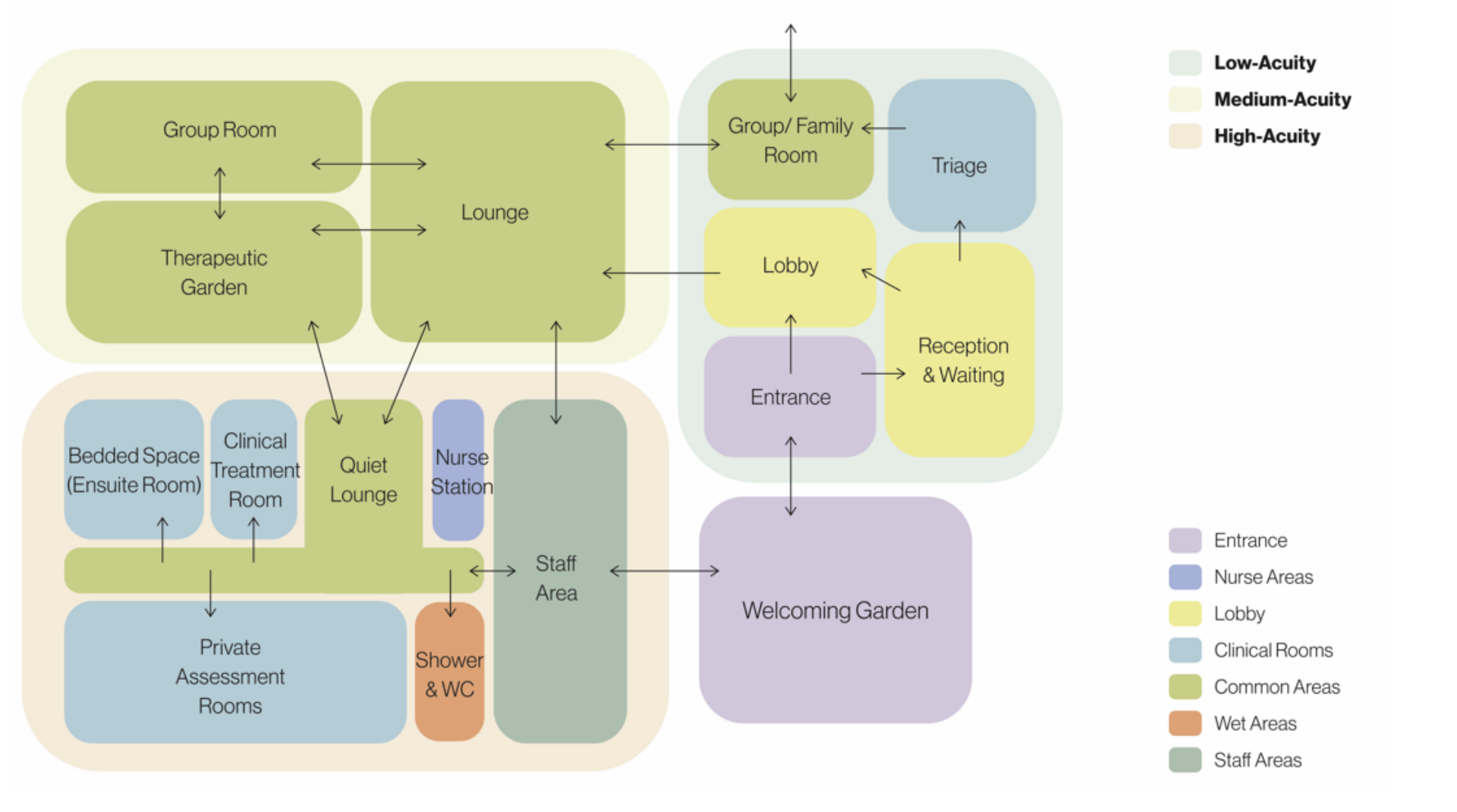
These are not final answers. They are areas in which shared experience is helping teams ask better questions and develop more informed approaches.
Help build the evidence and share your experience
Mental Health Emergency Departments are still developing, and there is much more to learn about how different environments work in practice.
We want to hear from NHS organisations and project teams at every stage of development, including those planning new services, adapting existing estate or already delivering care.
What has worked well?
What has proved more difficult than expected?
Which design decisions have made the greatest difference to people’s experiences?
Where have safety, clinical requirements or operational constraints created challenges?
And what would you do differently?
Learning from these experiences – including the challenges and compromises – can help strengthen future principles and support better decisions across the sector.
Good design can heal.
We believe better mental health environments are created when lived experience, professional expertise and evidence come together.
Our work with NHS England is one way we are helping to turn that belief into practical principles, shared learning and more informed design decisions.