

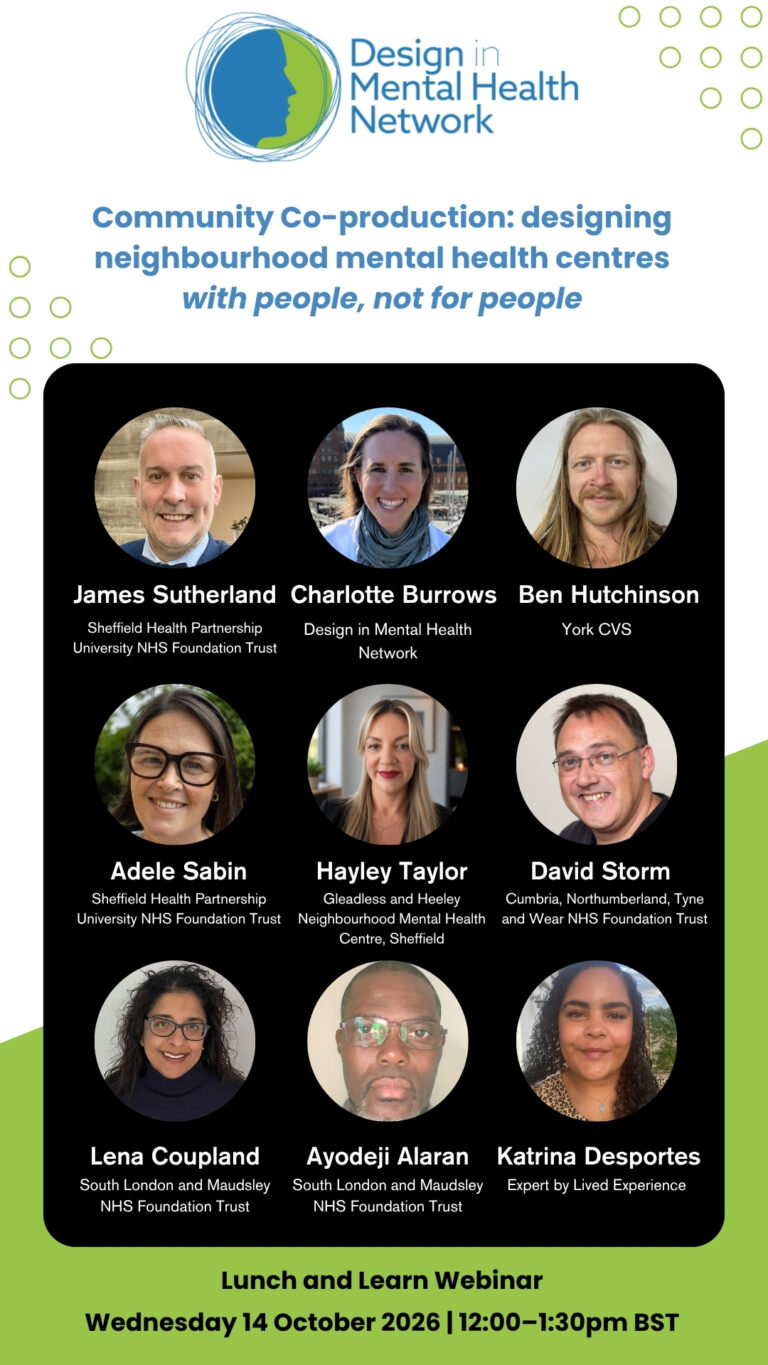
Community Co-production: designing neighbourhood mental health centres with people, not for people
Lunch & Learn Webinar
📅 Wednesday 14 October 2026
🕛 12:00–1:30 pm BST
💻 Free online via Teams
What makes a mental health centre feel like part of its community?
As the next wave of Neighbourhood Mental Health Centres takes shape, there is an important opportunity to learn from the places already doing the work.
Not simply what they built, but how they got there.
How did communities influence decisions?
How were lived experience, clinical, estates and design perspectives brought together?
What happened when community aspirations met capital, procurement and operational realities?
And how can the building support a model of care without beginning to determine it?
This 90-minute Lunch & Learn from the Design in Mental Health Network brings together people involved in Neighbourhood Mental Health Centre pilot sites in York, Sheffield, Hope Haven and Lewisham.
The session will focus deliberately on practical and honest learning: what has worked, what has been difficult, what changed as a result of co-production, and what emerging sites may want to think about from the beginning.
Because better neighbourhood mental health environments do not start with a building.
They start with people, place and partnerships.
Why this conversation matters
Neighbourhood Mental Health Centres are creating opportunities to think differently about where and how mental health support takes place.
The pilot sites have worked across very different contexts and property models, from high-street premises and community assets to existing healthcare environments.
There is no single blueprint.
What matters is understanding how the environment can support the needs of the people and communities it serves, while enabling the model of care that teams are trying to deliver.
That means asking practical questions early.
How do you translate “welcoming” into real design choices?
How do you make technical plans accessible to people who do not work in estates or architecture?
How can lived experience expertise continue to influence decisions once procurement and delivery are underway?
And what happens when established ways of delivering healthcare buildings come into tension with a very different ambition for a neighbourhood service?
This webinar will explore those questions through real experiences from the pilot sites.
What you’ll gain
By the end of the session, attendees will have explored:
- The principles that mattered most to different pilot sites
- Why the building should support the model of care rather than determine it
- How genuine co-production influenced practical decisions
- Different design and property approaches for different communities
- How community aspirations can be translated into workable design choices
- How estates, capital and design teams can support an inclusive process
- What has worked well — and what has proved more difficult
- Practical learning for teams beginning their own Neighbourhood Mental Health Centre journey
What we’ll explore
Speakers & Topics
York: The Power of the Brew
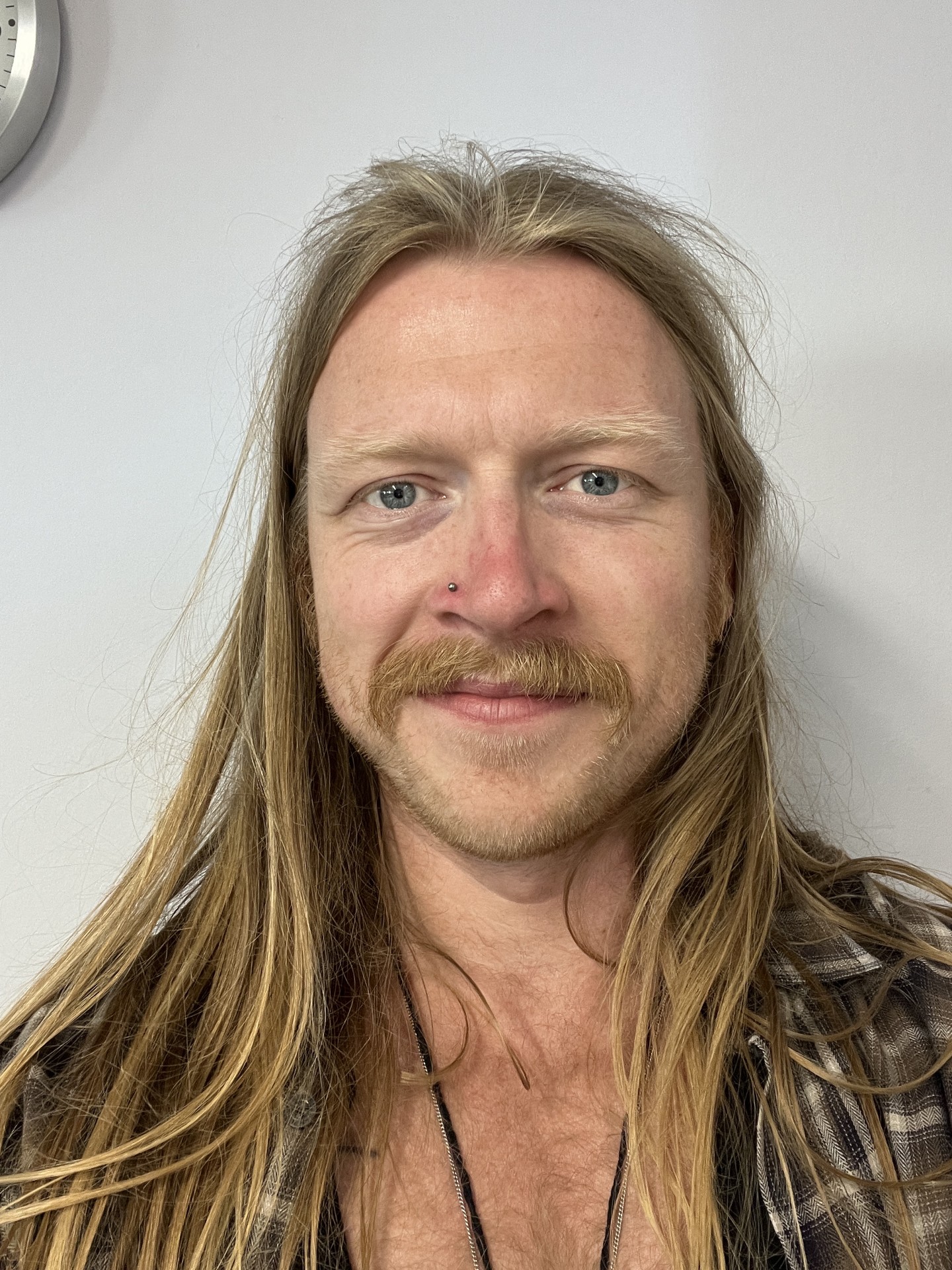
Ben Hutchinson - York CVS
Sometimes the smallest choices communicate the most.
York began without a building and with a determination to create something that felt welcoming, inclusive and owned by the community.
Ben Hutchinson will share how co-production influenced the development of York’s Community Wellbeing Hubs and how environmental, operational and relational choices work together to shape people’s experience.
That includes something as simple as offering someone a cup of tea or coffee.
In a service environment, everyday acts of hospitality can help change the relationship between the person arriving and the people there to support them.
Ben will explore community ownership, creating a non-clinical atmosphere, challenging perceptions of what an NHS-supported environment can feel like, and the importance of returning to community insight when the process becomes difficult.
He will also reflect on resistance, changing mindsets and what he might do differently next time.
Sheffield: Translating community voices into design choices
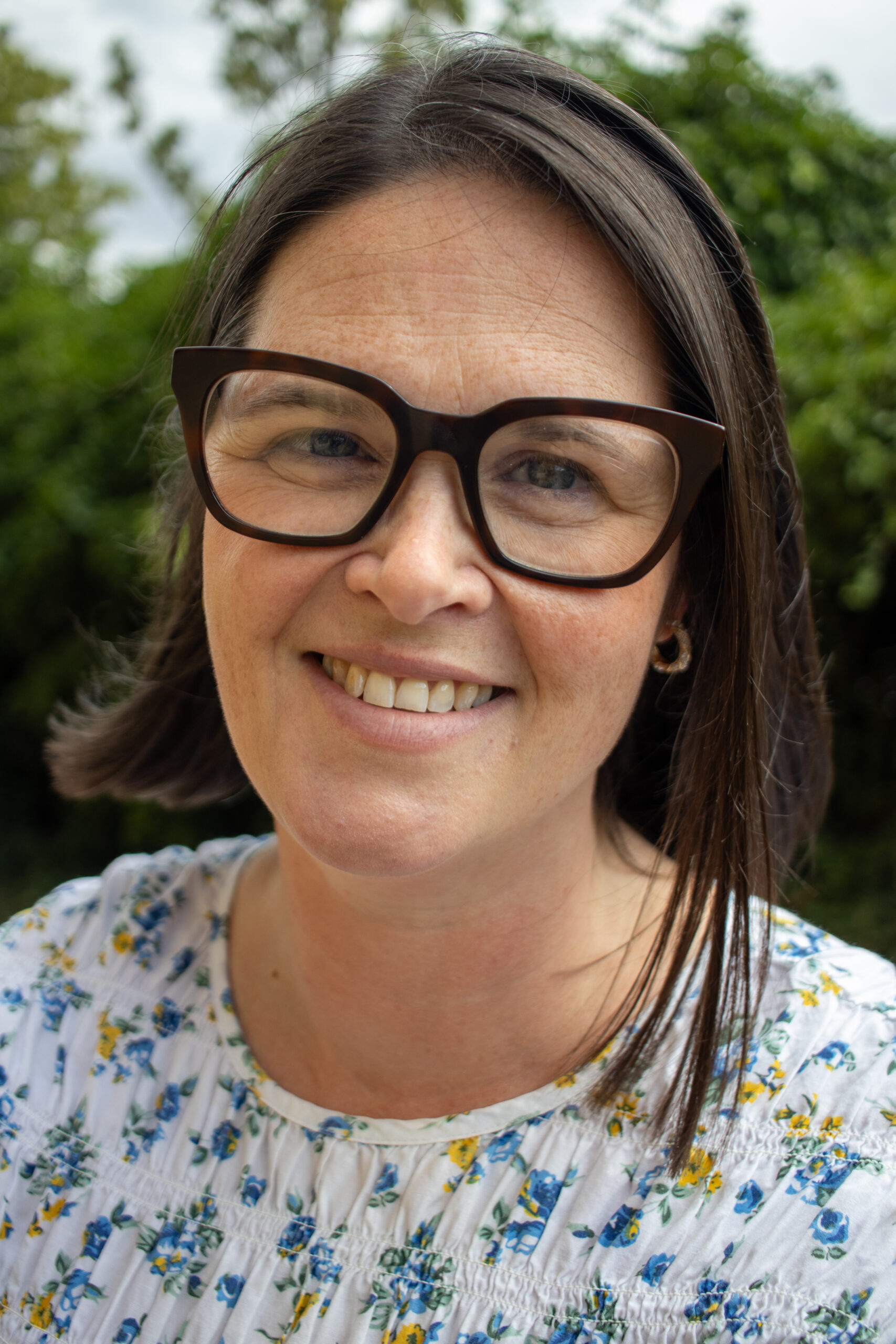
Adele Sabin - Sheffield Health Partnership University NHS Foundation Trust
Hayley Taylor - Gleadless and Heeley Neighbourhood Mental Health Centre, Sheffield
Listening is essential.
But listening alone does not guarantee that what people have asked for will appear in the finished environment.
What happens, for example, when people tell you they want somewhere “light and airy”?
That apparently simple request raises questions about daylight, glare, heat gain and loss, privacy, energy use and different sensory needs.
Adele Sabin and Hayley Taylor will explore the critical work of translating community aspirations and lived experience into practical design decisions.
Drawing on therapeutic environments, capital delivery and operational experience, they will consider how teams can turn insight into something that can actually be briefed, procured and delivered — while retaining the intention behind what people originally asked for.
They will also discuss stakeholder challenges, procurement realities and the compromises that sometimes need to be worked through.
Hope Haven: Estates collaboration
Adele Sabin - Sheffield Health Partnership University NHS Foundation Trust

David Storm - Cumbria, Northumberland, Tyne and Wear NHS Foundation Trust
What happens when a project deliberately challenges assumptions associated with traditional healthcare environments?
Hope Haven chose a high-street building because existing mental health environments were felt to be poorly located and disconnected from everyday community life.
The property was acquired and gifted back to the community, creating a genuine community asset rather than simply placing another service in a neighbourhood.
Local people influenced its name, colours and character. Local builders and recycled furniture also became part of the story.
Adele Sabin and David Storm will explore what this different approach meant for estates collaboration — and why capital and estates colleagues are essential partners in making these projects work.
They will consider how community participation changes the design process, how technical information can be made more accessible and how estates expertise can be used creatively when familiar healthcare solutions may not be the right answer.
The discussion will also include the compromises made, the assumptions challenged and the lessons they would carry into future projects.
Lewisham: Keeping lived experience at the heart
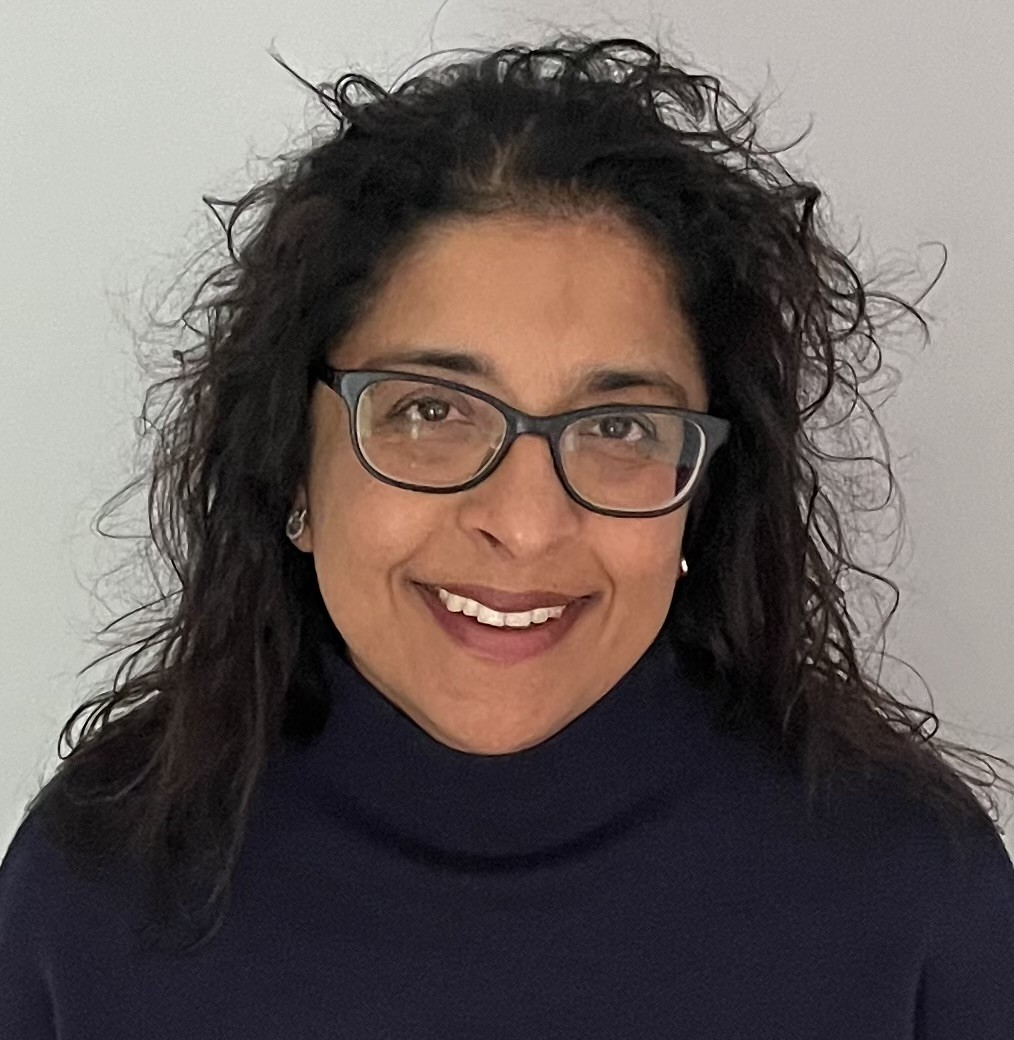
Lena Coupland - South London and Maudsley NHS Foundation Trust
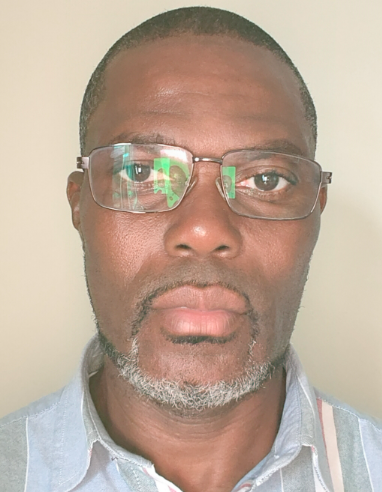
Ayodeji Alaran - South London and Maudsley NHS Foundation Trust
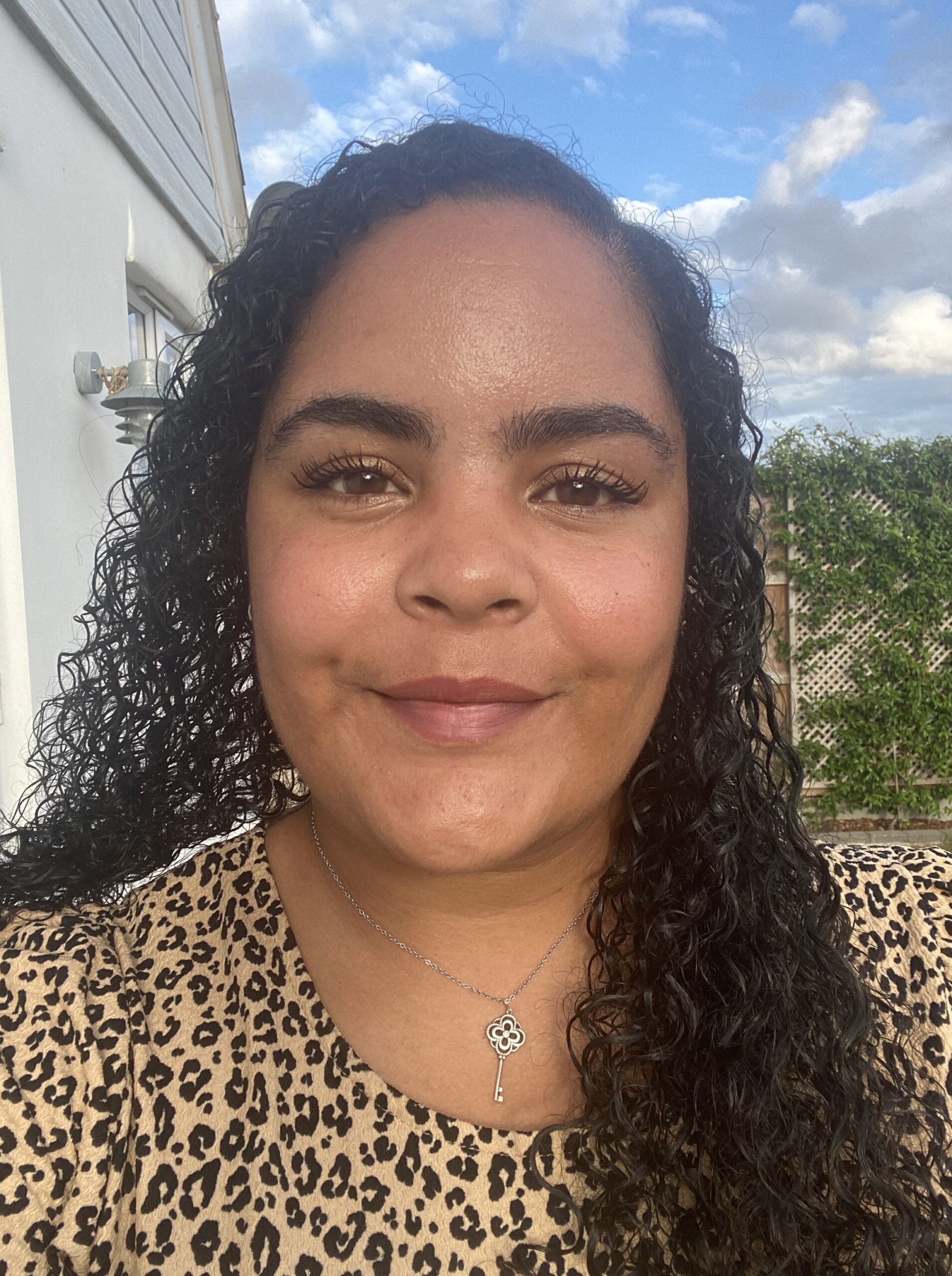
Katrina Desportes - Lived Experience Expert - South London and Maudsley NHS Foundation Trust
Getting everybody around the same table is important.
But that doesn’t automatically mean everyone has equal influence — or even that everyone understands the conversation the same way.
The development of Heather Close Community Mental Health Centre in Lewisham shows sustained co-production across both the environment and the model of care.
People with lived experience and carers took part in regular estates meetings as well as discussions about how care would operate.
That meant the building and service could develop in parallel.
Lena Coupland, Ayodeji Alaran and Katrina Desportes will explore what that required in practice: bringing different forms of expertise together, maintaining involvement over time and making sure the building continued to reflect the model of care it was intended to support.
They will also discuss one reality of meaningful co-production: it can make a project take longer.
And why that additional time can be worth it.
Setting the scene
The webinar will be co-hosted by:
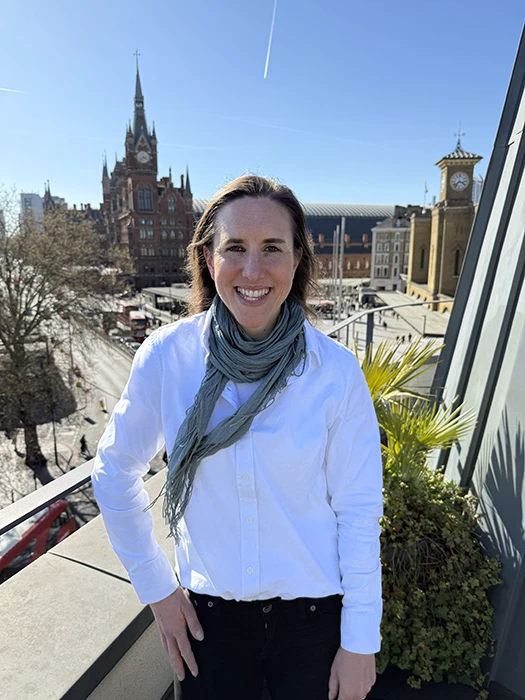
Charlotte Burrows - CEO, Design in Mental Health Network
Charlotte will explore why the quality of the environment matters in Neighbourhood Mental Health Centres and why design needs to follow and enable the model of care rather than begin to dictate it.
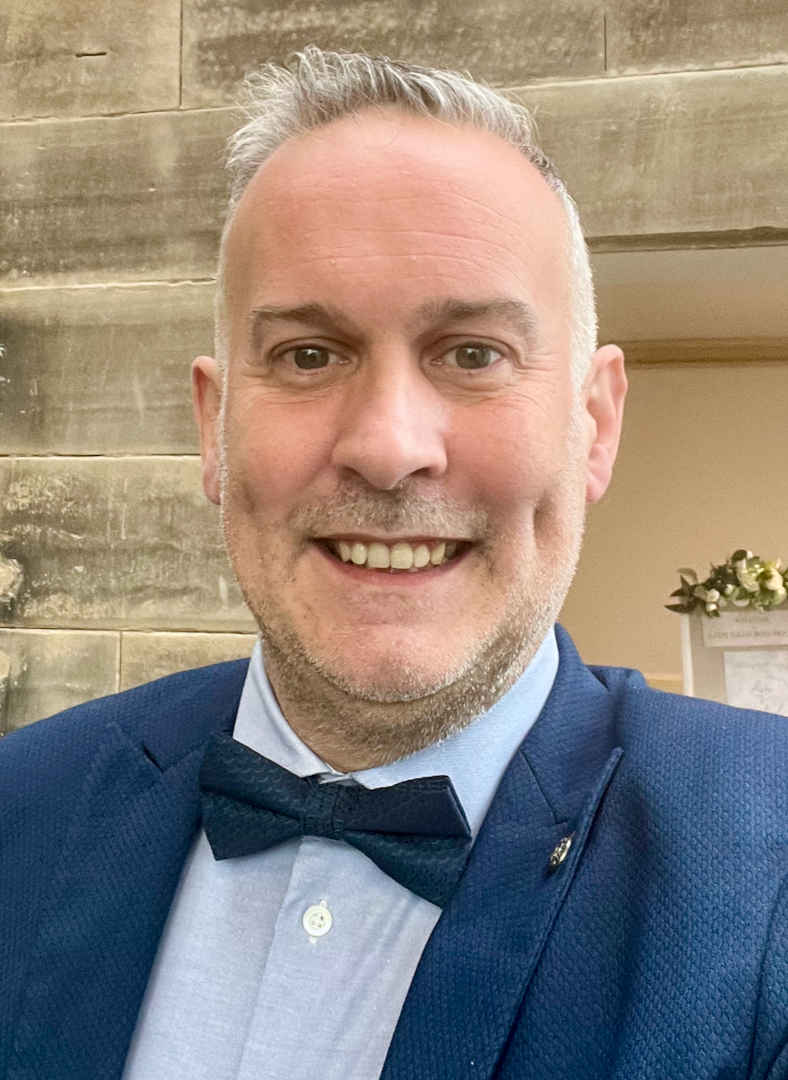
James Sutherland
Integrated Change Programme Director, Sheffield Health Partnership University NHS Foundation Trust. National Specialist Advisor on Community Mental Health Transformation, NHS England
James will set the wider context for the discussion, including why the pilot sites’ experience is particularly timely for emerging Neighbourhood Mental Health Centres.
Together, Charlotte and James will also facilitate the final panel discussion and audience Q&A.
An honest conversation, not a collection of perfect examples
This session will concentrate on the practical learning behind the projects.
The moments where an assumption was challenged.
The compromises that had to be made.
The ideas that looked different once they reached delivery.
The things teams would repeat.
And the things they would approach differently next time.
During the final panel discussion, speakers will reflect on questions including:
What surprised you most?
What would you never do again?
What nearly went wrong?
What made the biggest difference?
And what advice would you give a new site starting tomorrow?
There will also be an opportunity for attendees to put their own questions to the panel.
Who should attend?
This session will be particularly relevant to:
- NHS mental health, community transformation and service leaders
- Estates, facilities and capital project teams
- Integrated Care Boards and local authority colleagues
- Architects, designers and built environment professionals
- Co-production, involvement and engagement leads
- People with lived experience involved in shaping services and environments
- Voluntary, community and social enterprise partners
- Commissioners, policymakers and programme leads
- Teams developing future Neighbourhood Mental Health Centres
Whether you are at the earliest stages of considering a site or already working through design and delivery decisions, the session is intended to provide practical learning that can be applied to your own context.
Register
Community Co-production: designing neighbourhood mental health centres with people, not for people
How co-production, community partnerships and good design are shaping the next generation of mental health services.
📅 Wednesday 14 October 2026
🕛 12:00–1:30pm BST
💻 Online via Teams
Join the conversation and learn directly from people who have been working through these questions in practice.