
Ahead of Dr Shelley James’ talk at Design in Mental Health 2026
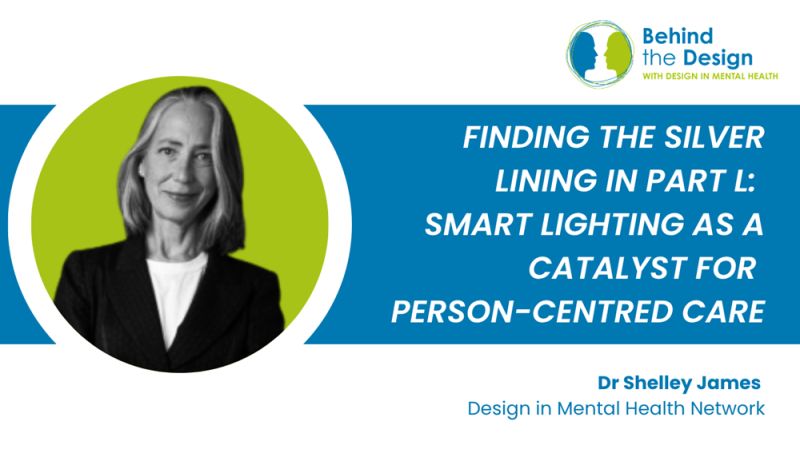
On the 2nd of June 2026, Dr Shelley James will take to the stage at Design in Mental Health 2026 to explore one of the most overlooked, yet most powerful, elements of therapeutic design: light.

Speaking in the Design & Digital Solutions Theatre from 12:10–12:30, Shelley’s session, Finding the Silver Lining in Part L: Smart Lighting as a Catalyst for Person-centred Care, will challenge delegates to rethink lighting not as a technical afterthought, but as a clinical, emotional, and environmental intervention.
At a time when NHS estates teams, designers and providers are navigating increasingly complex pressures, from sustainability targets and ageing infrastructure to workforce wellbeing and rising demand for mental health support, lighting is emerging as a critical part of the conversation.
And as Shelley states, the opportunity is bigger than compliance.
“Every lighting upgrade is an opportunity to improve someone’s quality of life,” she explains. “If we’re already changing systems to meet energy regulations, why wouldn’t we also use that moment to improve sleep, mood, dignity and recovery?”
Her upcoming conference session builds on the momentum of DiMHN’s February Lunch & Learn webinar on Lighting in Mental Health, which brought together experts from science, NHS sustainability and lighting practice to explore how lighting affects mental wellbeing, recovery and therapeutic outcomes.
Beyond Visibility: Light as a Therapeutic Tool
For decades, lighting in healthcare environments has largely been driven by visual standards, technical compliance and energy efficiency.
But mounting scientific evidence tells us that light does far more than help us see.
Research increasingly shows that light directly affects our circadian rhythms, hormone regulation, mood, cognition, alertness and sleep quality through specialised photoreceptors connected to the brain’s biological clock.
In mental health settings, where sleep disruption, stress, sensory sensitivity and emotional dysregulation are often central concerns, these findings carry profound implications.
“Light is biology,” Shelley says. “The body uses light as information. It tells us when to wake up, when to sleep, when to feel alert and when to feel calm. If we ignore that in care environments, we ignore a fundamental human need.”
The February webinar explored how even one night of inappropriate lighting exposure can disrupt circadian function and negatively affect mood, sleep and metabolic health.
But equally, when designed intentionally, lighting can become part of a therapeutic toolkit.
Evidence presented during the session highlighted the role of bright light therapy in supporting people experiencing:
- Depression
- Seasonal affective disorder
- Dementia
- Eating disorders
- Sleep disorders
- Schizophrenia
- Postnatal depression
- Suicidal ideation
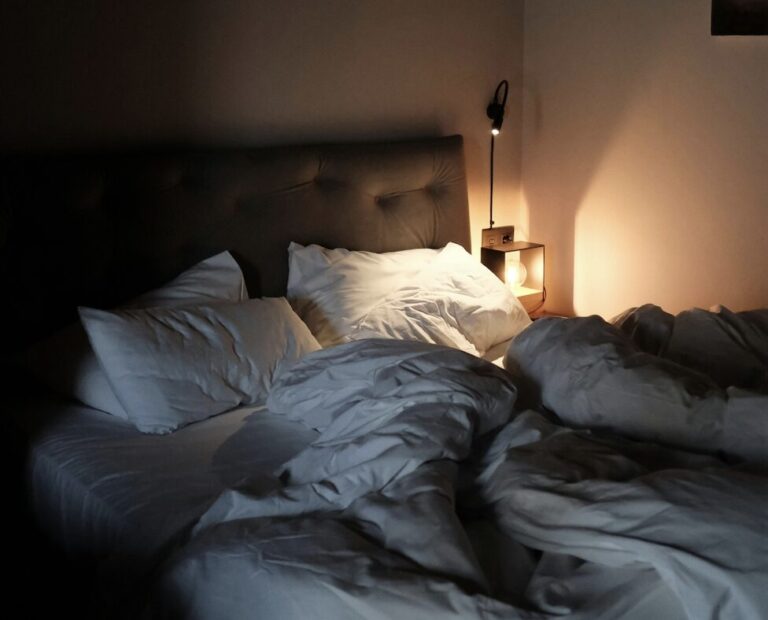
The conversation also explored softer, warmer evening lighting and how this can support de-escalation, comfort and emotional regulation.
This is particularly important in mental health environments where people may already feel overwhelmed, powerless or hypervigilant.
“Lighting affects how safe a space feels,” Shelley explains. “It affects how welcome people feel, how much control they feel they have, and whether a space supports recovery or stress.”
The Human Experience of Light
One of the themes likely to resonate strongly during Shelley’s conference session is the importance of moving beyond ‘lighting by numbers’.
Meeting lux levels alone does not guarantee that a space feels therapeutic.
A room can technically satisfy a specification while still feeling harsh, institutional or distressing to the people using it.
This matters enormously in mental health design.
Whether someone is arriving in crisis, navigating a long inpatient stay, attending an outpatient appointment or supporting a loved one, lighting shapes emotional experience.
Harsh glare, poorly positioned luminaires, overly lit corridors, and cold colour temperatures can unintentionally increase stress and discomfort.
Conversely, carefully designed lighting can support orientation, reduce agitation and create a greater sense of dignity.
Shelley often speaks about the importance of designing lighting for the lived experience of the person using the space.
That includes:
- Providing options and flexibility
- Reducing glare and visual discomfort
- Supporting circadian rhythms
- Creating softer, calmer evening environments
- Introducing zoning and layers of light
- Giving people greater personal control over their environment
“Choice matters,” Shelley says. “Even simple things, being able to dim a light or choose where to sit, can change how people experience a space.”
The webinar discussion highlighted evidence that perceived control over lighting can reduce stress independently of the actual light level.
That insight has major implications for person-centred care.
Finding the Opportunity in Regulation
Shelley’s Design in Mental Health 2026 session title references Part L: the section of UK Building Regulations focused on energy efficiency.
As estates teams across the NHS continue upgrading lighting systems to meet sustainability requirements and reduce energy consumption, many organisations are transitioning to LED lighting and smart controls.
But Shelley believes there is a danger in approaching these projects too narrowly.
“Simply replacing old fittings with LEDs is not enough,” she says. “If we’re investing time, money and disruption into retrofits, we should be asking bigger questions about human outcomes.”
The move toward lower energy lighting systems presents a unique opportunity to integrate biological lighting principles into healthcare environments at scale.
During the February webinar, speakers explored how smart lighting systems can:
- Mimic natural daylight rhythms
- Support healthier sleep-wake cycles
- Reduce unnecessary overnight disruption
- Improve staff alertness and wellbeing
- Lower operational energy use
- Integrate with wider smart building infrastructure
This intersection between sustainability and wellbeing is becoming increasingly important as the NHS works toward its net-zero commitments.
Lighting upgrades are no longer simply estate decisions.
They sit at the intersection of:
- Clinical outcomes
- Staff wellbeing
- Environmental sustainability
- Operational resilience
- Patient experience
- Long-term cost efficiency
“Good lighting design is not in conflict with sustainability,” Shelley says. “Done properly, they support each other.”
Designing for Dignity
Another major theme emerging from the wider conversation around mental health environments is dignity.
Mental health design has historically focused heavily on risk reduction and compliance.
While safety remains essential, there is growing recognition across the sector that environments must also support comfort, autonomy, recovery and humanity.
Lighting plays a central role in this.
The atmosphere of a room, the quality of light on someone’s face, the ability to create calm or warmth, these are not decorative concerns.
They shape how spaces feel emotionally.
In inpatient settings, especially where people may spend prolonged periods indoors, artificial lighting can profoundly affect orientation, sleep and emotional regulation.
Daylight remains the gold standard wherever possible.
However, many mental health environments, particularly secure settings, older buildings and some residential care spaces, have limited access to natural light.
That means artificial lighting has to work harder.
The webinar discussion explored emerging standards around melanopic lighting targets and circadian-supportive environments, including growing interest in approaches such as the ‘Oxford Rule’, which aims to support healthy biological rhythms through carefully timed light exposure.
This shift reflects a broader change happening across healthcare design:
Moving from spaces that simply contain care toward spaces that actively contribute to it.
Why This Conversation Matters Now
The Design in Mental Health conference has long been a place where practitioners, clinicians, estates teams, academics, designers and people with lived experience come together to explore how environments affect mental health.
In recent years, conversations around sensory design, trauma-informed environments, neurodiversity, sustainability and co-production have become increasingly central to the sector.
Lighting sits within all of these conversations.
For neurodivergent people, lighting sensitivity can profoundly affect comfort and participation.
For people experiencing distress or trauma, glare and overexposure can increase anxiety.
For shift-working staff, poor circadian lighting can affect fatigue and wellbeing.
For older adults and people living with dementia, lighting affects orientation, sleep and cognition.
And for NHS organisations under pressure to reduce emissions and operational costs, lighting remains one of the most accessible areas for meaningful improvement.
Shelley’s session at Design in Mental Health 2026 promises to bring these themes together in a way that is practical, evidence-informed and future-focused.
Delegates can expect discussion around:
- Circadian and biologically effective lighting
- Smart lighting technologies
- Person-centred lighting design
- Sustainability and Part L compliance
- Practical implementation challenges
- Opportunities for NHS estates and retrofit projects
- The relationship between lighting, dignity and therapeutic outcomes
Continuing the Conversation
The Design in Mental Health Network continues to explore how environmental design affects mental health through webinars, interviews, events, research and shared learning.
The February 2026 webinar on lighting generated significant discussion across the network, highlighting growing interest in evidence-led lighting design across healthcare, supported living and community environments.
If you would like to revisit the webinar reflections, speaker insights and additional resources, you can read the full recap here:
You can also read our earlier in-depth interview with Dr Shelley James here.
Missed one of our recent Lunch & Learn webinars? You can revisit webinar reflections, speaker insights and downloadable resources across a range of topics linked to mental health environments and therapeutic design via the Design in Mental Health Network website.
Explore previous webinar recaps and resources:
See Dr Shelley James at Design in Mental Health 2026
Finding the Silver Lining in Part L: Smart Lighting as a Catalyst for Person-centred Care
📅 Date: 2 June 2026
🕛 Time: 12:10 – 12:30
📍 Theatre: Design & Digital Solutions Theatre
📌 Event: Design in Mental Health 2026
Design in Mental Health 2026 brings together professionals from across healthcare, design, estates, research and lived experience to shape the future of mental health environments.
From therapeutic interiors and sustainability to digital innovation and co-production, the conference explores how design can support better mental health outcomes for everyone using these spaces.
Shelley’s session will be essential viewing for anyone involved in:
- Mental health estates and facilities
- NHS retrofit and sustainability projects
- Healthcare lighting design
- Therapeutic environments
- Sensory and neurodiverse design
- Community mental health settings
- Person-centred care
Because lighting is never just about illumination.
It is about how people feel.
And increasingly, it is about how people heal.
Design in Mental Health 2026
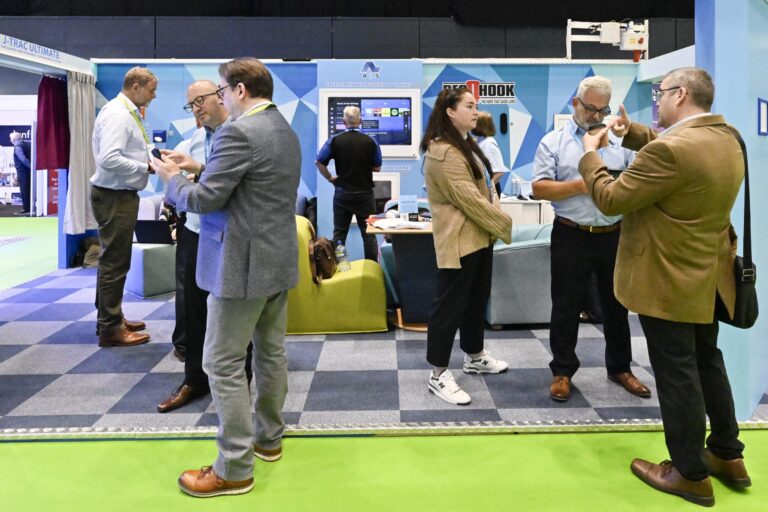
Design in Mental Health 2026 is a vital meeting point for everyone involved in shaping safer, more effective and more humane mental health environments.
Taking place on 2–3 June 2026 at the Coventry Building Society Arena, the event brings together clinicians, estates and facilities teams, architects, designers, contractors, product specialists, academics, researchers, lived experience experts and sector leaders to share learning, explore new solutions and advance best practice across mental health design.
The exhibition offers a free-to-attend opportunity to see, feel and compare products, materials, technologies and services for mental health settings, while the conference programme, Design & Digital Solutions Theatre and Awards create space for knowledge-sharing, challenge, inspiration and celebration. Organised by Step Exhibitions in partnership with the Design in Mental Health Network, the event supports DiMHN’s charitable mission to improve mental health outcomes through better design, knowledge exchange, co-production and quality standards.
Whether you are designing, building, refurbishing, equipping, managing, or delivering care within mental health environments, Design in Mental Health 2026 is a place to connect, learn, contribute, and bring valuable insights back to your organisation.
The Design in Mental Health Network exists to improve mental health outcomes through better design, collaboration, knowledge exchange and co-production.
Let’s keep asking brave questions, sharing what works (and what doesn’t), and designing with purpose.