
This September, healthcare leaders, clinicians, estates professionals, designers and people with lived experience will come together to explore how better environments can improve safety, dignity, staff wellbeing and the experience of care across mental health, intellectual disability and autism services.
The event is focused on a practical question: how can we make better decisions about the places in which care is delivered, whether planning a major new development, refurbishing an existing service or improving an environment within current resources?
Why this matters
Healthcare environments shape far more than the appearance of a building. They affect safety, observation, privacy, infection prevention, sensory experience, staff workflows, therapeutic relationships and the way services operate every day.
Decisions made at the briefing and design stages can have long-term consequences for clinical practice, staffing, maintenance, risk management and the experience of patients and families. Design for Healthcare Environments Ireland (DHEI) will provide an opportunity for clinical and estates colleagues to learn together, challenge assumptions and consider how evidence and lived experience can inform better decisions before plans become fixed.
The programme is relevant whether you are:
- planning a new healthcare facility;
- refurbishing or adapting an existing building;
- developing a clinical or operational brief;
- reviewing safety, ligature or environmental risks;
- improving staff and patient experience;
- procuring products or advising on specifications; or
- looking for practical examples that can be applied within current services
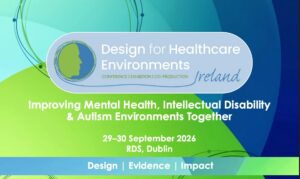
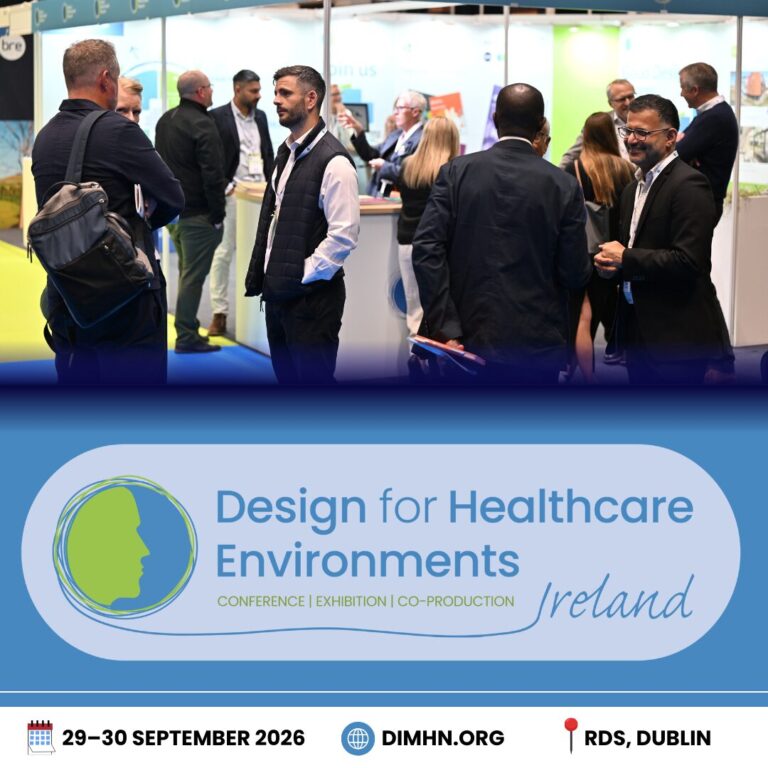
Taking place at the RDS, Dublin, on 29–30 September 2026, DHEI has been created as a result of a conversation that has been growing over several years. Through the Design in Mental Health Network’s conferences, webinars and events, we’ve welcomed increasing numbers of delegates from across Ireland. Time and time again, we heard the same message: there was a real appetite for an event that reflected Ireland’s priorities, celebrated its expertise, and created space for meaningful conversations about the future of healthcare environments.
DHEI has been created in response to that need.
Why Now?
There has rarely been a more important time for these conversations.
Ireland is entering a significant period of investment in healthcare infrastructure, with major developments progressing across mental health services, specialist intellectual disability provision, perinatal mental health, eating disorder services and acute mental health facilities.
Whether developing a new facility or improving an existing environment, the challenge is the same: how do we ensure that decisions support safe, effective and compassionate care, rather than creating operational problems that staff must work around for years to come
Investment creates opportunity.
But it also brings responsibility.
How do we ensure new environments don’t simply meet technical standards, but actively support dignity, recovery, wellbeing, inclusion and therapeutic relationships?
Because good design has never been just about buildings.
It influences how people feel when they arrive, how staff work together, how families experience services, and how recovery is supported every day.
The environment becomes part of care itself.
That belief has always been central to the Design in Mental Health Network, and it is the foundation on which DHEI has been built.
A programme built around today's biggest healthcare challenges
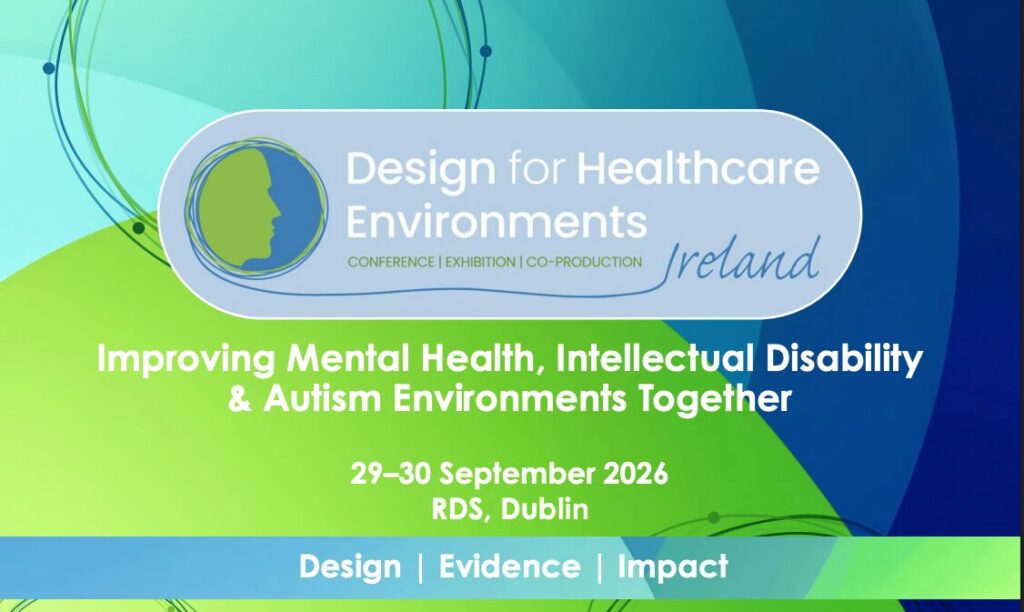
Across two days, DHEI will bring together clinicians, estates and facilities professionals, architects, designers, researchers, commissioners and people with lived experience.
The programme has been designed to help delegates make better decisions about healthcare environments, whether they are planning a major capital project, refurbishing an existing service, reviewing environmental risk or improving the day-to-day experience and outcomes of patients and staff.
Delegates will gain practical learning that can support:
- safer and more therapeutic environments;
- better clinical and operational workflows;
- improved patient, family and staff experience;
- more effective briefing and decision-making;
- stronger collaboration between clinical, lived experience estates design teams;
- more informed investment and procurement decisions; and
- reduced risk of costly changes later in a project.
Across two days, delegates will hear from clinicians, architects, designers, researchers, estates professionals, occupational therapists and people with lived experience who are helping shape healthcare environments across Ireland and internationally.
The conference opens with Professor J. Lucey (Inspector of Mental Health Services) exploring Human Rights-Based Healthcare By Design, setting the tone for two days focused on creating environments that respect dignity, autonomy and recovery.
One of the recurring themes throughout the programme is that better healthcare starts with better conversations.
How do we design with people rather than for them?
How do we move from insight to impact?
How do we embed lived experience into every stage of healthcare design?
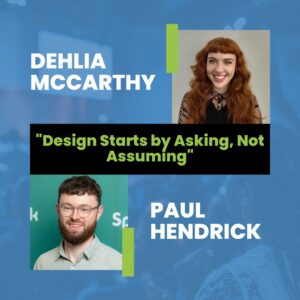
Those questions continue through sessions including From Insight to Impact: Co-Producing Better Healthcare Environments, where Dehlia McCarthy and Paul Hendrick from Children’s Health Ireland will share how human-centred design is transforming healthcare experiences.
Innovation also takes centre stage.
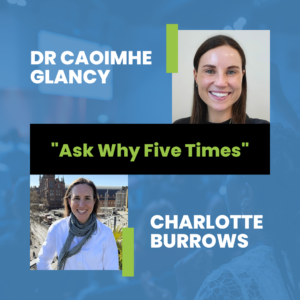
Julie Grennell (Mater Transformation) and Dr Caoimhe Glancy (National NCHD Innovation Fellow at HSE Spark Innovation Programme) will demonstrate how Design Thinking Skills for Frontline Workers can help clinicians improve services by understanding what people actually experience rather than relying on assumptions.
Healthcare improvement doesn’t always require major investment. Sometimes the biggest impact begins with asking better questions.
Learning from Ireland's leading healthcare projects
Recovery-focused design remains a central theme throughout the DHEI event programme.
Delegates will hear the design story behind Ireland’s National Forensic Hospital from Ruairi Reeves (Medical Architecture) and Karl Burton (Scott Tallon Walker Architects), before exploring the unique challenges and opportunities within custodial environments with Mary Kennedy (Cloverhill Prison) and Dr David Joyce (Irish Prison Service).
Other sessions explore emerging approaches to care, including Maria Parker‘s sharing the Emergency Psychiatric Assessment, Treatment, and Healing model (EmPATH) EmPATH model, Shane Kirwan‘s work introducing virtual reality into mental health settings, and the National Care Experience Programme, where Anna Maria Verling, Lisa Ann Kennedy, Elaine Meehan, Tracy O’Carroll and Rachel Flynn will present how evidence can deepen our understanding of inpatient mental healthcare experiences in Ireland.
International perspectives are also woven throughout the programme.
Ana Grgurac (White Arkitekter) compares how the UK and Sweden approach hospital design, encouraging delegates to challenge assumptions and learn from different healthcare systems.
Practical learning across both theatres
Alongside the keynote sessions, the Blue Theatre offers practical insights into many aspects of healthcare design.
Topics include:
- Technology that enhances patient experience while protecting human care with Philip Ross (Safehinge Primera)
- Designing for better outcomes in mental healthcare with Jay Porter (Kingsway Group)
- Broadening perceptions of healthcare design with Kevin McKenna (Dundalk Institute of Technology)
- The story behind Seren Lodge, Designing a Therapeutic Mother & Baby Unit presented by Andrew Arnold, Sarah Hull and Graham Wood
- Sensory-informed design in practice with Liz Lavender
Day Two: Collaboration, innovation and the future
The second day opens with the inspiring story of Kyrie Therapeutic Farm, presented by Dr Eoin Galavan, John McKeon and Gareth Maguire, demonstrating how therapeutic environments extend well beyond traditional healthcare settings.
The programme continues with sessions exploring trauma-informed practice, including Kevin McKenna’s presentation on the environment as an enabler of trauma-informed care and Robin Graham‘s overview of Mersey Care’s innovative Mossley Hill mental health hospital.
One of the highlights of Day Two will be the keynote panel exploring how to embed design principles across healthcare, bringing together Dr Eve Stanley, Deirdre Bradley, Dr Michelle Howard and Catherine Marsh to discuss how human-centred design can become part of everyday healthcare improvement.
Other sessions examine sensory differences and environmental design with Moira Scanlon, community-led approaches through Connect Café for Travellers in Mental Health, and neuro-affirmative design with Paul Kenny and Susan O’Hara.
The Blue Theatre also explores specialist topics including circadian lighting, healthcare window design, evidence-based ligature risk reduction and designing environments that support both patients and staff.
A specialist exhibition focused on practical solutions
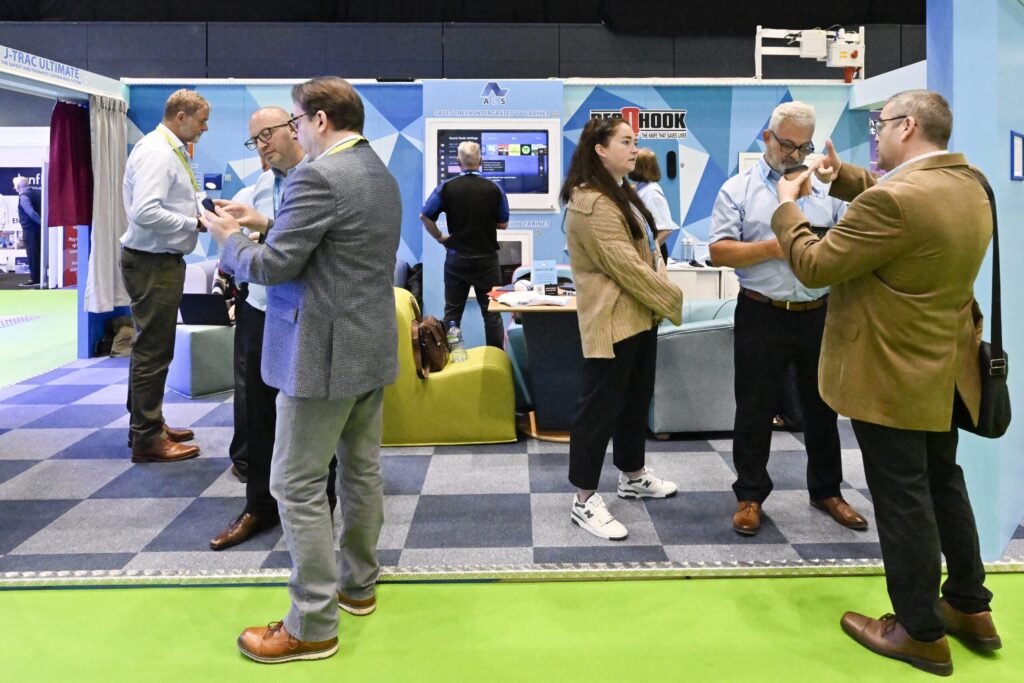
Alongside the conference, delegates will have access to a specialist exhibition bringing together products, materials, technologies and services developed for mental health, intellectual disability, autism and wider healthcare environments.
For clinical, estates, commissioners and project teams, this offers something that online research cannot: the opportunity to see potential solutions in person, understand how they work, ask detailed questions and consider how they may support the needs of their own services.
Delegates will be able to compare different approaches, explore products and features, discuss live projects and consider issues such as safety, durability, sensory needs, maintenance, infection prevention, dignity, staff workflow and therapeutic impact.
This can be particularly valuable for teams planning a refurbishment or new service, developing a specification, reviewing products, exploring alternatives, or gathering practical information to support a business case.
The exhibition also creates an opportunity for clinical and estates colleagues to explore potential solutions together, bringing different perspectives on usability, patient experience, installation, maintenance and long-term performance.
These conversations can help organisations make more informed decisions, identify suitable approaches earlier and build stronger briefs for current and future projects.
Join us in Dublin
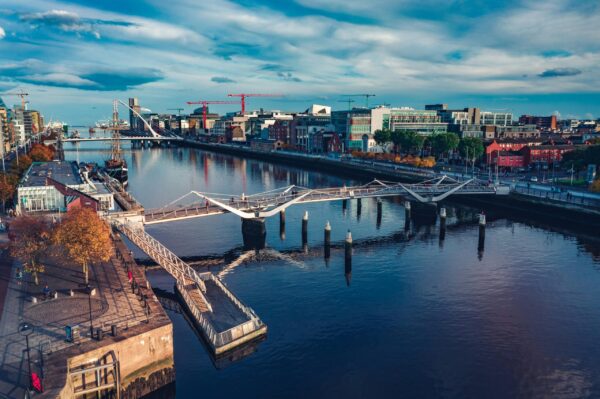
DHEI is designed to deliver practical value for organisations investing in, operating and improving healthcare environments.
For clinical, nursing, estates, facilities, capital projects, procurement, quality and service-improvement teams, attendance offers a focused opportunity to bring back learning that can inform live projects, strengthen decision-making and reduce the risk of costly mistakes later.
Across two days, delegates will gain:
- practical examples from major healthcare projects and service innovations;
- evidence and ideas to support safer, more therapeutic and inclusive environments;
- learning that can inform business cases, briefs, refurbishment plans and capital investment;
- greater understanding of how design decisions affect clinical care, staff wellbeing, maintenance, risk and operational performance;
- opportunities to compare products, approaches and emerging technologies before specification or procurement decisions are made;
- direct access to clinicians, estates professionals, designers, researchers, suppliers and people with lived experience; and
- professional connections that can support future projects and cross-organisational collaboration.
Whether you are developing a new facility, improving an existing service, reviewing environmental risks or shaping future policy, DHEI will help you make better-informed decisions and take practical learning back into your organisation.
This is not simply time away from day-to-day pressures. It is an opportunity to invest in the quality, safety and long-term performance of the environments in which care is delivered.
This may be the inaugural event, but our ambition extends well beyond two days in Dublin.
We hope Design for Healthcare Environments Ireland becomes a catalyst for ongoing collaboration, helping strengthen connections across Ireland while continuing to share learning internationally.
Registration is open, and we look forward to welcoming you to Dublin this September.