
The real risk? That we stop asking the right questions
There is no point pretending otherwise: budgets are under pressure.
Across healthcare, estates, public services and the organisations that support them, teams are being asked to do more with less. Capital programmes are being scrutinised. Travel and training budgets are tighter. Procurement decisions need stronger justification. And even worthwhile opportunities can face a simple question:
Can we afford it?
It is a fair question.
But when resources are constrained, there is another question worth asking too:
Can we afford to make important decisions without the right knowledge, evidence and connections?
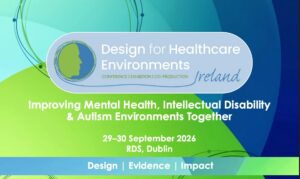
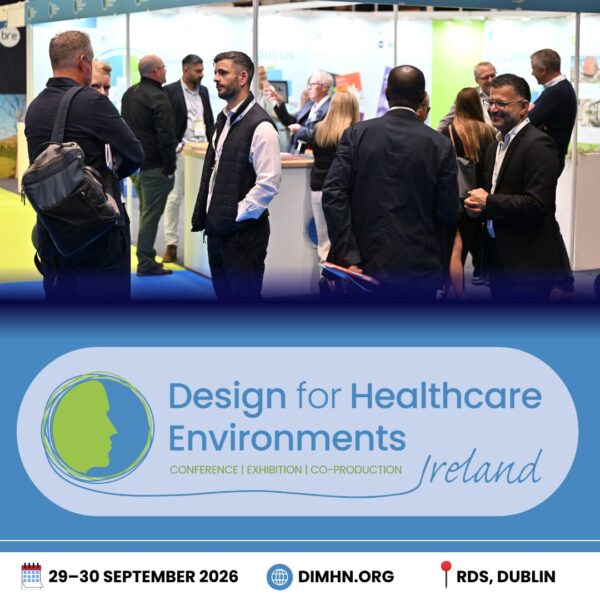
That is the context for Design for Healthcare Environments Ireland (DHEI) at the RDS, Dublin, on 29–30 September 2026.
DHEI brings together people involved in mental health, intellectual disability and autism environments to share evidence, experience, practical learning, products and ideas.
It is not about taking two days away from the pressures facing healthcare.
It is about returning better equipped to respond.
Tight budgets change the case for attending. They do not remove it.
When budgets are tight, the consequences of getting something wrong become much greater.
A poorly considered specification can create maintenance problems for years.
A refurbishment that fails to take account of sensory needs may need further adaptation.
A product selected without understanding its whole-life implications can become an expensive decision.
A design developed without sufficient clinical, operational or lived experience input can fail to solve the problem it was seeking to address.
A project that focuses only on initial cost may miss opportunities to improve dignity, safety, usability, and the experience of care.
This is why knowledge exchange matters.
DHEI creates an opportunity to bring different parts of the healthcare environment conversation together: clinicians, people working in estates and capital projects, designers, researchers, architects, suppliers, manufacturers, people involved in service delivery and others working to improve healthcare environments.
Instead of tackling these questions in isolation, delegates can learn from people already facing them.
What will time spent at DHEI help you do differently?
Make better-informed design decisions
When resources are limited, teams need to make good decisions earlier, before briefs are fixed, specifications are signed off, and capital is committed.
That starts with ensuring the clinical and operational model of care drives the environment, rather than letting the building dictate how care must be delivered.
Time spent at DHEI can help teams ask better questions, challenge assumptions and make more informed choices about how environments support care, safety and day-to-day service delivery.
It can help you to:
- understand more clearly how design decisions affect patient experience, staff workflow, observation, privacy, dignity and everyday care
- test whether a proposed solution genuinely supports therapeutic care, dignity and recovery, rather than simply meeting minimum requirements
- consider how sensory, cognitive and communication needs should shape the environment
- involve people with lived experience, families, clinical teams and frontline staff earlier and more meaningfully
- make more informed and proportionate decisions around ligature risk, restrictive practices, safety and security
- question a specification, product or design approach before committing capital
- consider the maintenance, durability, operational and whole-life implications of design and product choices
- make better-informed decisions about the refurbishment, adaptation or replacement of existing estate
- learn from projects that have already been delivered, including what worked, what did not, and what others would approach differently next time
The aim is not simply to make a design work on paper. It is to shape environments that support better outcomes, safer care and fewer avoidable problems over the life of the building.
Learn before you spend
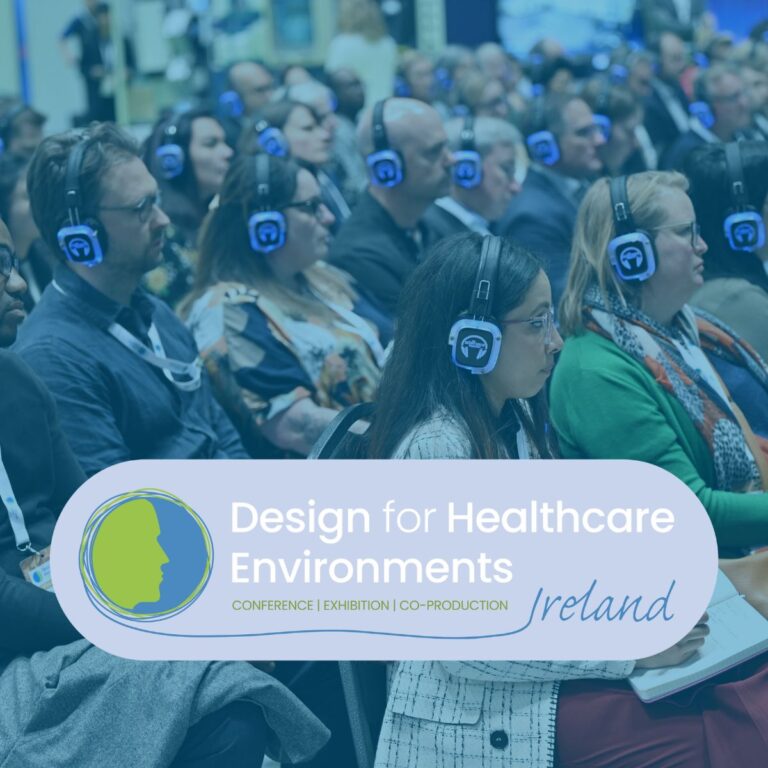
DHEI is particularly relevant for organisations planning new facilities, refurbishments or changes to existing environments.
One of the most useful things a conference can provide is the opportunity to ask questions before decisions become expensive to reverse.
Delegates can hear from people who have delivered projects, worked within services, developed products, conducted research and experienced healthcare environments first-hand.
That means learning not only what has worked, but what others might approach differently next time.
That shared experience has considerable value.
In difficult financial circumstances, avoiding unnecessary mistakes is every bit as important as finding new opportunities.
Compare solutions in one place
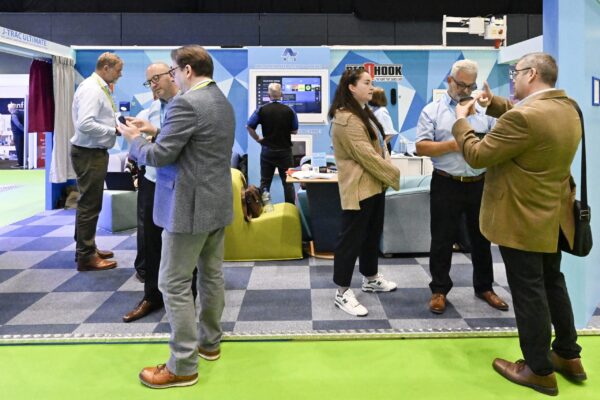
For estates teams, designers, specifiers, and clinical colleagues, the exhibition offers another practical benefit: the chance to see and discuss multiple healthcare products and solutions in one visit.
That can help teams explore questions around suitability, safety, maintenance, durability, user experience and whole-life value.
It also gives you the opportunity to challenge manufacturers and suppliers directly.
What evidence supports this solution?
How has it performed in real environments?
What are the maintenance implications?
How has lived experience informed its development?
How does it respond to particular sensory, clinical or operational requirements?
The aim should never be innovation for innovation’s sake.
It should be making more informed choices.
Understand the problem before investing in the solution
One theme running strongly through this year’s DHEI programme is the importance of asking better questions.
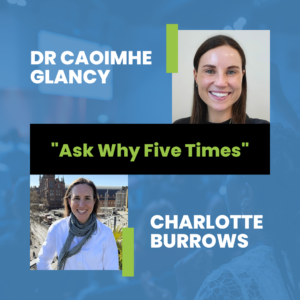
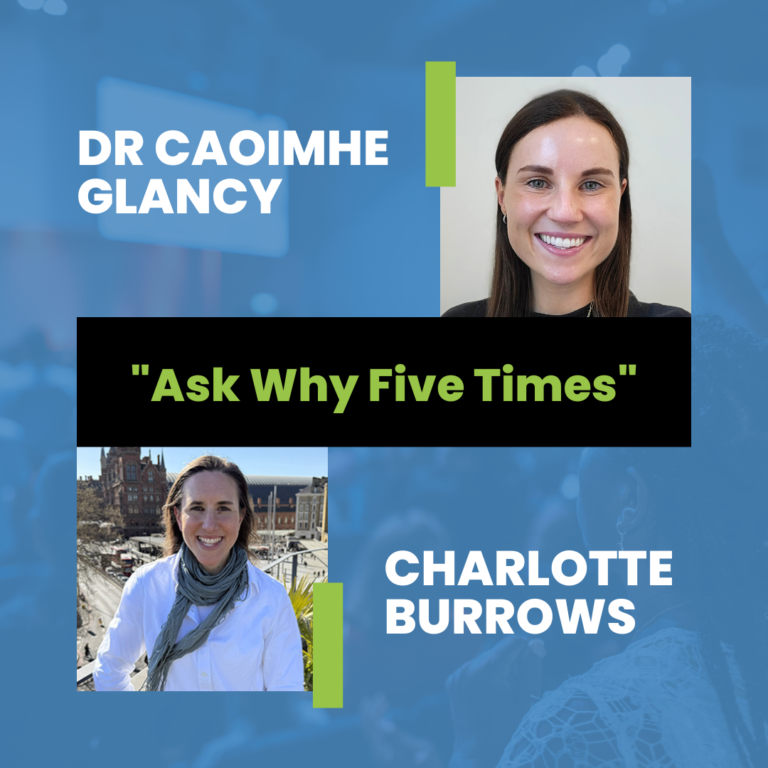
Ahead of her DHEI session, Dr Caoimhe Glancy has spoken about the value of asking “why” repeatedly to uncover the real problem rather than immediately jumping to a solution.
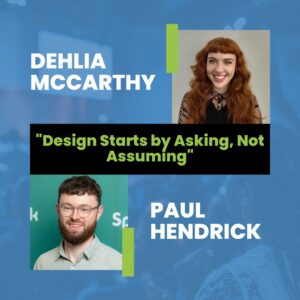
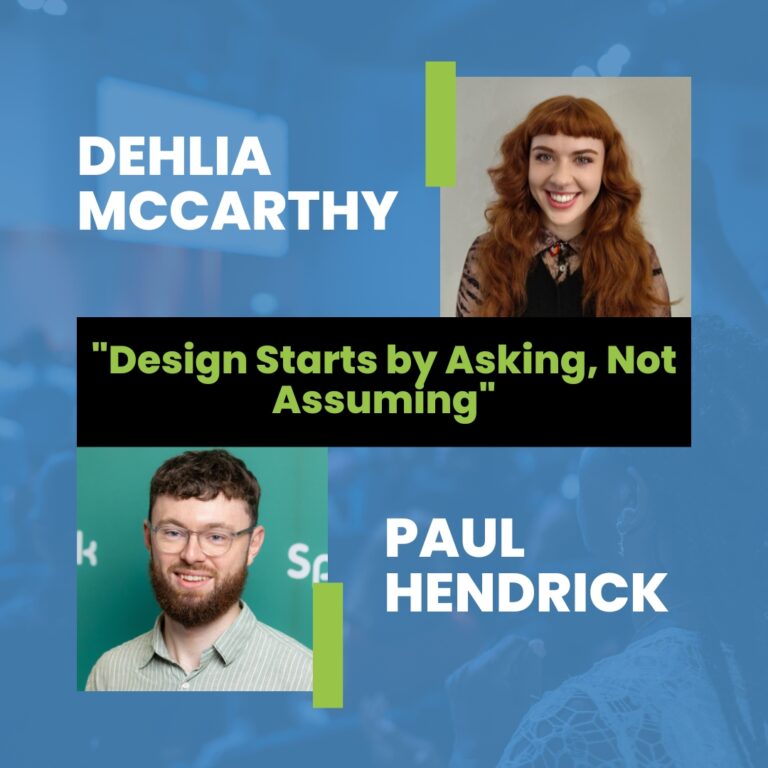
Dehlia McCarthy and Paul Hendrick from Children’s Health Ireland have similarly discussed why good design starts by asking rather than assuming, and why children, families and staff need to be involved in shaping healthcare environments.
Those ideas matter even more when funding is limited.
Because the most expensive solution is not necessarily the best solution.
And the cheapest intervention is not always the one that offers the best value.
Understanding what people genuinely need helps organisations direct limited resources towards the changes that matter most.
Make one journey work harder
There is also a straightforward efficiency argument for attending an event that brings many parts of the sector together.
In two days, a delegate may be able to:
meet suppliers they would otherwise contact separately;
speak with clinicians, designers and estates colleagues tackling similar problems;
hear multiple case studies;
explore emerging approaches;
compare products;
discuss regulatory and operational concerns;
and establish relationships that continue long after the event.
The case is about organisational value
If you need approval to attend, the strongest argument is rarely:
“This conference looks interesting.”
Instead, connect DHEI directly to the work your organisation is already delivering.
For example:
What current or forthcoming project could benefit from the learning?
What problem are you trying to solve?
Which programme sessions relate directly to your role?
Are there products or approaches you need to evaluate?
Which people or organisations would it be useful to meet?
What knowledge could you bring back and share with colleagues?
Could attendance reduce the need for several separate meetings, visits or research exercises?
How will you capture and disseminate what you learn?
That turns attendance from an individual request into an organisational proposition.
Make your boss's decision easier
We also recognise that making the case internally takes time.
Managers facing their own financial pressures need something more substantial than enthusiasm.
They need to understand what the organisation will gain.
That is why we have developed attendance and funding approval templates to help delegates prepare a clear case for attending DHEI.
For healthcare, community and care professionals, the template can help set out:
- relevance to current responsibilities and projects
- CPD and professional learning
- expected organisational benefits
- financial requirements
- opportunities to bring knowledge back into the organisation
For commercial and supply chain professionals, it can help position attendance around:
- market understanding
- stakeholder engagement
- business development
- customer and sector insight
- efficient relationship-building
- strategic positioning within the Irish healthcare market
Both are designed to be edited around your own role and circumstances.
Need approval to attend?
We’ve already done some of the groundwork for you. Visit our Convince Your Boss page for ready-to-use templates designed for healthcare, community and care professionals, and commercial and supply chain organisations.
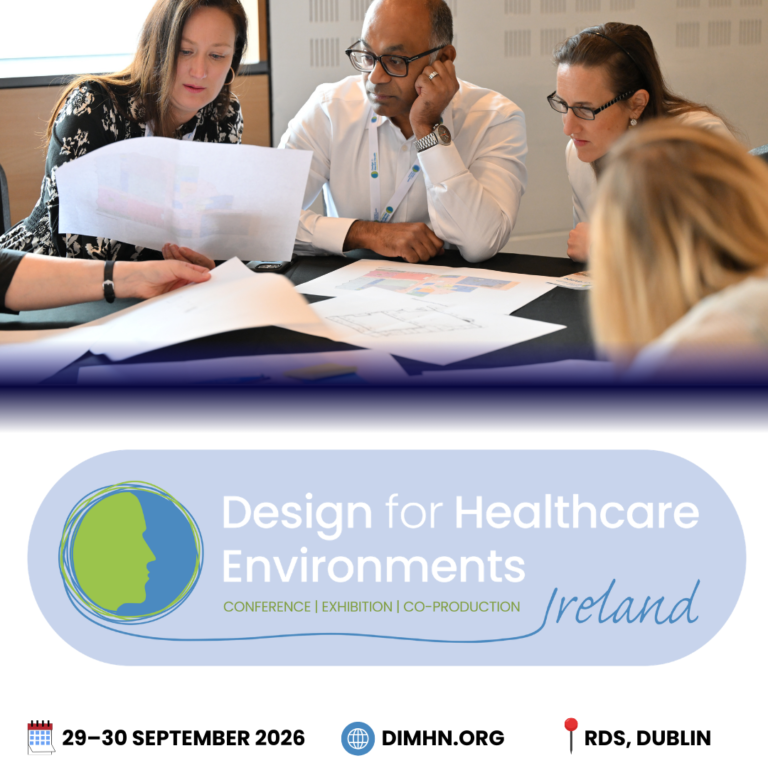
A conference cannot solve the financial pressures facing healthcare
Nor should we pretend that it can.
Attending DHEI requires time and money, and organisations have to make difficult choices about both.
But financial pressure makes thoughtful design, informed specification, collaboration and shared learning more important, not less.
Because when resources are limited, we need to understand where investment will make the greatest difference.
We need to learn from what others have already discovered.
We need to involve the right people earlier.
We need to challenge assumptions before they become expensive decisions.
And we need environments that support dignity, safety, autonomy, care and human connection without assuming that more spending automatically means better outcomes.
That is the conversation DHEI has been created to support.
Join us in Dublin
Design for Healthcare Environments Ireland 2026
📅 29–30 September 2026
📍 RDS, Dublin
Two days of evidence, experience, practical learning, products, ideas and conversations focused on improving environments for mental health, intellectual disability and autism.
If the value of attending is clear to you, but you still need to make the case internally, we’ve made that part easier too.
Our Convince Your Boss resources include ready-to-use email templates for:
- Healthcare, Community & Care providers
- Commercial & Supply Chain professionals
They’re designed to help you explain the purpose of attending, the value to your organisation and the case for permission and/or funding — without having to start from a blank page.