
Better mental health and dementia environments depend on more than good design ideas. They depend on bringing the right people together, sharing knowledge and building relationships that turn ideas into practical change. Ahead of the Mental Health & Dementia Facilities Forum (MHDF) this November, we explore how its distinctive format creates space for those conversations to happen.
In healthcare design, it’s easy to focus on buildings.
We talk about estates strategies, capital programmes, specifications, procurement and products. We consider how environments can balance safety with dignity, support therapeutic relationships and respond to the needs of the people who use them.
Yet behind every successful mental health or dementia environment sits something less tangible, but equally important: relationships.
The relationships between clinicians and designers. Between NHS estates teams and specialist suppliers. Between architects, contractors, care providers, people receiving care and the people taking decisions about the spaces in which care takes place.
These connections matter because creating better environments is rarely the work of one organisation or discipline. It requires different perspectives, specialist knowledge and a willingness to work together, often over many years.
On 24 and 25 November 2026, the Mental Health & Dementia Facilities Forum (MHDF) comes to The Belfry Hotel & Resort in Warwickshire, bringing together professionals involved in planning, designing, delivering and managing mental health and dementia facilities.
The Forum has a particular focus on creating opportunities for direct, purposeful conversations. Through a programme of pre-arranged one-to-one meetings, educational seminars and informal networking, it connects people with shared professional interests and opportunities to collaborate.
It’s a format built around relationships, recognising that some of the most valuable developments in healthcare design begin with a conversation.
Creating time for conversations that matter

Industry events play an important role in bringing people together, offering opportunities to discover new thinking, exchange knowledge and develop professional connections.
The MHDF Forum brings together a carefully considered mix of NHS Trusts, private healthcare providers, architects, contractors, facilities professionals and specialist suppliers.
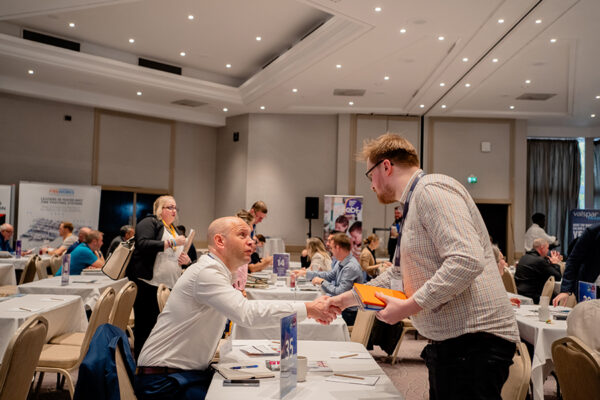
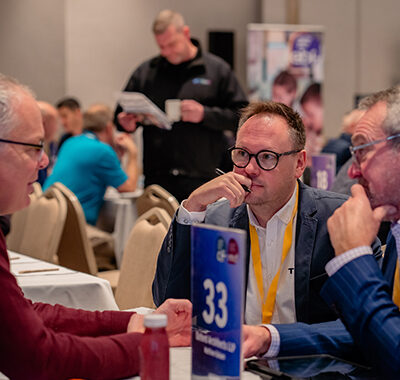
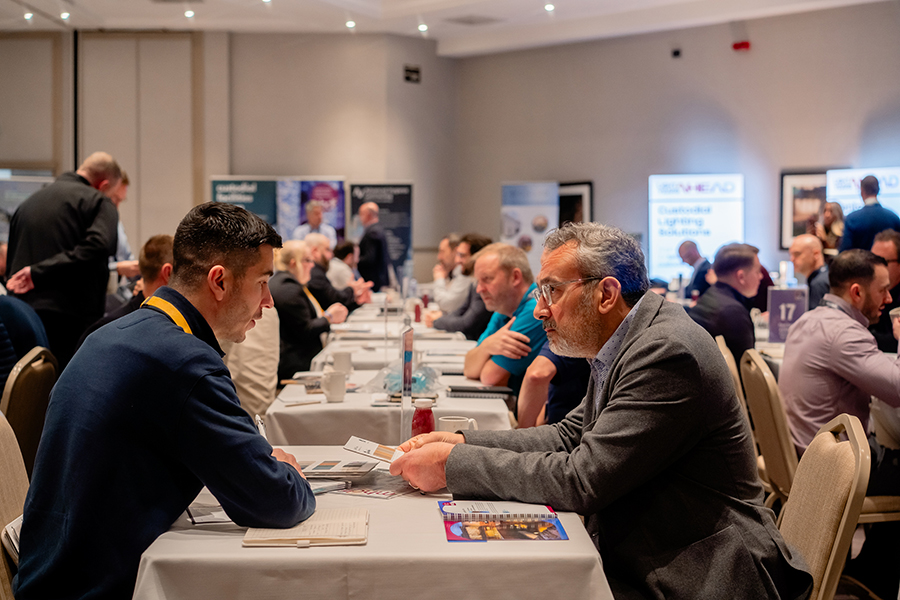
Before attending, project delegates identify the organisations they would particularly like to meet. These preferences help shape a personalised schedule of pre-arranged, 20-minute meetings.
For project delegates, this provides dedicated time to explore products, services, design approaches and potential solutions relevant to their work. For suppliers, it creates opportunities to understand the needs of professionals involved in developing and delivering mental health and dementia environments.
The meetings are structured, but the conversations themselves are not prescribed.
They might involve discussing a current project, exploring a technical challenge, understanding a new product or simply discovering an approach that could be useful in the future.
Twenty minutes may not seem long, particularly when discussing complex healthcare environments. But it can be enough to establish a connection, identify a shared challenge or begin a conversation that continues long after the event.
And importantly, these meetings are only one part of the experience.
Beyond the meeting schedule: Building a connected community
While the one-to-one programme provides structure, MHDF also recognises the importance of informal interaction.
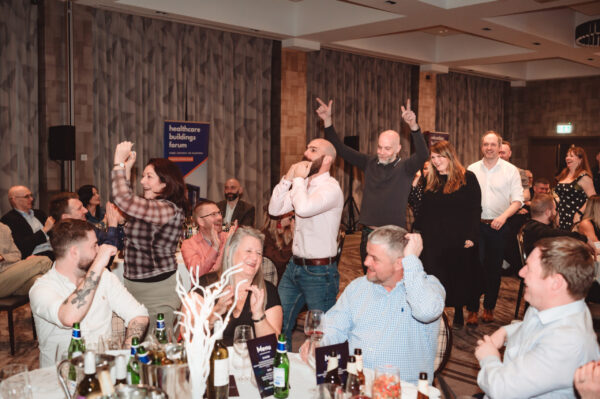
The Forum includes opportunities for delegates to meet through social receptions, shared meals, seminar breaks and networking activities.
These moments serve a different purpose from scheduled meetings.
An architect might find themselves talking to an NHS estates professional about a challenge they have encountered on a recent project. A contractor might share lessons learned from a refurbishment. A care provider might discover that another organisation has already explored a solution to a problem they are facing.
These conversations are not always planned, and they do not necessarily lead to an immediate project or procurement decision.
Their value is often in the exchange of experience.
Mental health and dementia environments present complex design and operational challenges. Decisions about safety, accessibility, privacy, independence, maintenance and therapeutic value frequently involve competing priorities.
Having opportunities to discuss these challenges with people who understand them, but approach them from different professional perspectives, can help broaden understanding and encourage more informed decisions.
The Forum’s social programme also creates opportunities for project delegates to connect with one another, independently of their meetings with suppliers.
This is an important distinction. Bringing together professionals from different parts of the sector is valuable not only because it creates opportunities to discover products and services, but because it encourages relationships across the wider community responsible for delivering care environments.
Connecting conversations to real projects
One of the defining characteristics of MHDF is its focus on professionals involved in live or developing projects.
Project delegates are asked to identify relevant work, whether at the early planning stage, in design development or progressing towards refurbishment, redevelopment or new construction.
This helps ensure that conversations are grounded in genuine needs and practical challenges.
For someone responsible for delivering a mental health environment, those challenges might involve finding products that balance robustness with a welcoming appearance, identifying suitable materials, considering maintenance requirements or understanding how particular design decisions could affect the people using the space.
For a supplier or specialist consultant, understanding those needs directly can be equally valuable.
Rather than presenting a product or service in isolation, there is an opportunity to discuss its potential application within a particular environment, explore constraints and understand the priorities shaping a project.
That exchange of knowledge can help both parties.
It can also open the door to ideas that might not have been considered at the outset.
Discovering what you didn't know you needed
There is a natural tendency in any profession to return to familiar approaches, trusted products and established relationships.
One of the advantages of a curated meeting programme is the opportunity to encounter organisations, technologies and approaches that may not initially have been on someone’s radar.
While delegates can express preferences about who they would like to meet, the format also creates opportunities for introductions beyond those existing priorities.
These unexpected conversations can sometimes be among the most useful.
A professional attending with a particular technical challenge in mind may discover a solution they had not previously considered. A supplier may gain a better understanding of the operational realities of a care environment. An architect may hear about an emerging approach that prompts them to reconsider an established design assumption.
Not every conversation will result in a new specification or partnership, nor should that be the only measure of its value.
Sometimes the most useful outcome is a better question, a fresh perspective or a new connection that becomes relevant further down the line.
In a sector where projects can take years to develop, the ability to exchange knowledge early and remain connected over time is particularly valuable.
Learning alongside networking
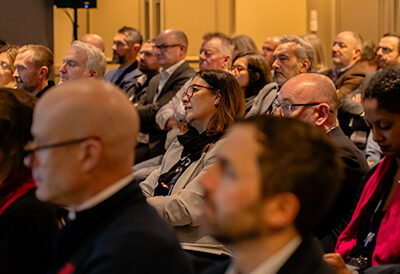
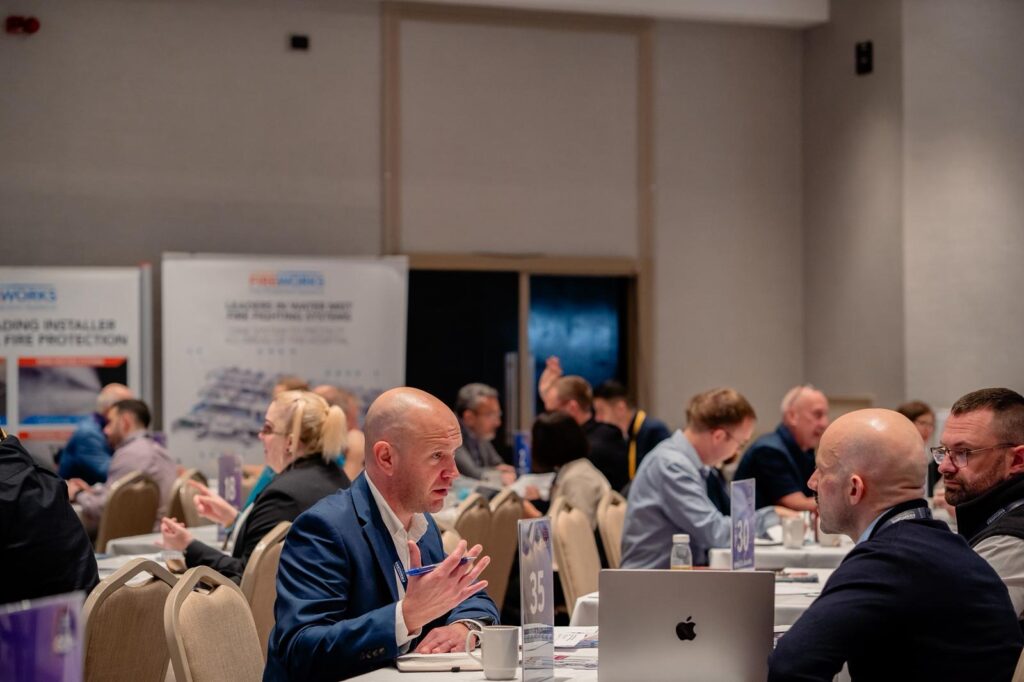
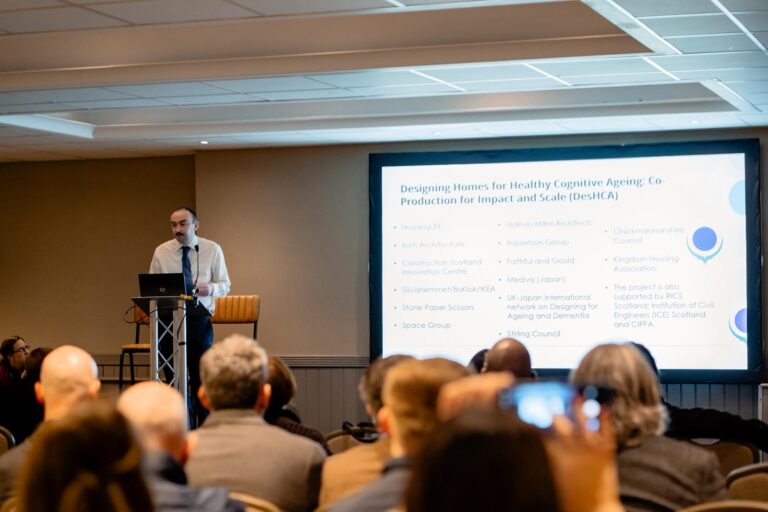
Alongside the meeting programme, MHDF offers a series of educational seminars, with speakers and programme details to be announced soon.
These sessions will complement the opportunities for individual discussion, creating space to explore ideas, share knowledge and consider some of the issues influencing mental health and dementia facilities.
For professionals working across design, estates, clinical services and facilities management, keeping pace with evolving expectations, emerging technologies and examples of good practice is an ongoing challenge.
Educational events provide opportunities to hear different perspectives, reflect on established approaches and consider how learning might translate into everyday practice.
The combination of seminars and meetings is an important part of the Forum’s format.
An idea encountered during a presentation might become the starting point for a discussion with a supplier. A challenge raised during a meeting might prompt someone to seek out another professional’s perspective.
Learning and networking are therefore not entirely separate activities. Each can inform and strengthen the other.
For those working to improve mental health and dementia environments, this exchange between knowledge and practical application is especially important.
The challenge is rarely a lack of ideas alone. It is understanding how those ideas can be translated into environments that work for the people receiving care, the professionals delivering it and the organisations responsible for maintaining them.
Taking a longer-term view
Mental Healthcare projects do not always move quickly.
Funding decisions, planning processes, co-production, clinical engagement, procurement and construction can extend across several years. Requirements may evolve, project teams may change and new challenges can emerge along the way.
Against that backdrop, the value of a professional relationship cannot always be measured by what happens immediately after an event.
A conversation today might inform a project brief next year. An introduction could develop into a collaboration on a future refurbishment. A technical discussion may help someone make a more informed decision when a particular challenge arises.
For suppliers, this longer-term perspective is equally relevant. Understanding the sector’s needs and building relationships with those delivering projects can help inform future product development and more responsive solutions.
MHDF‘s format creates opportunities for those relationships to begin, but also for existing connections to develop.
Returning delegates can reconnect with people they have met previously, share updates on projects and continue discussions that began at earlier events.
Over time, these connections contribute to a more informed and collaborative professional community.
Making space for meaningful engagement
Time and resources are under pressure across healthcare, and attending industry events requires a commitment.
For professionals working within NHS Trusts and other care organisations, the cost of travel, accommodation and time away from day-to-day responsibilities can influence which opportunities they are able to pursue.
MHDF addresses some of these practical considerations by offering eligible project delegates complimentary attendance, including accommodation, seminar access and networking opportunities.
Its scheduled meeting programme also provides a clear structure for the two days, helping participants plan conversations around their professional interests and current priorities.
For suppliers, the opportunity to meet a range of relevant professionals in one setting creates space for both new introductions and more detailed discussions about the needs of the sector.
The value, however, extends beyond the practical arrangements.
By bringing different disciplines together in one setting, the Forum creates opportunities for conversations that might otherwise never take place.
And those conversations can help strengthen understanding across the different organisations involved in delivering mental health and dementia environments.
Better connections, better environments

At the Design in Mental Health Network (DiMHN), we believe that improving mental health environments requires collaboration across disciplines, informed by evidence and the experiences of the people who use and work within those spaces.
Good design does not happen in isolation.
It develops through listening, questioning established assumptions, understanding different needs and bringing together the knowledge required to make better decisions.
Opportunities for professional connection and knowledge exchange have an important role to play in supporting that process.
MHDF provides one opportunity for this wider exchange by creating a focused setting in which healthcare providers, designers, contractors and specialist suppliers can meet, learn and explore shared challenges.
Of course, professional networking is only one part of the picture. Meaningful involvement of people with lived experience, their families, carers and care teams remains essential to designing environments that support dignity, safety, autonomy and recovery.
But stronger relationships between the organisations responsible for delivering those environments can also make a difference.
They can help knowledge travel further, encourage collaboration across professional boundaries and create opportunities for new ideas to be explored in practice.
Ultimately, the value of bringing people together lies not simply in the number of meetings held or contacts exchanged, but in what those connections make possible.
Because behind every better-designed mental health or dementia environment is a network of people working to make it happen.
Join the conversation at MHDF 2026
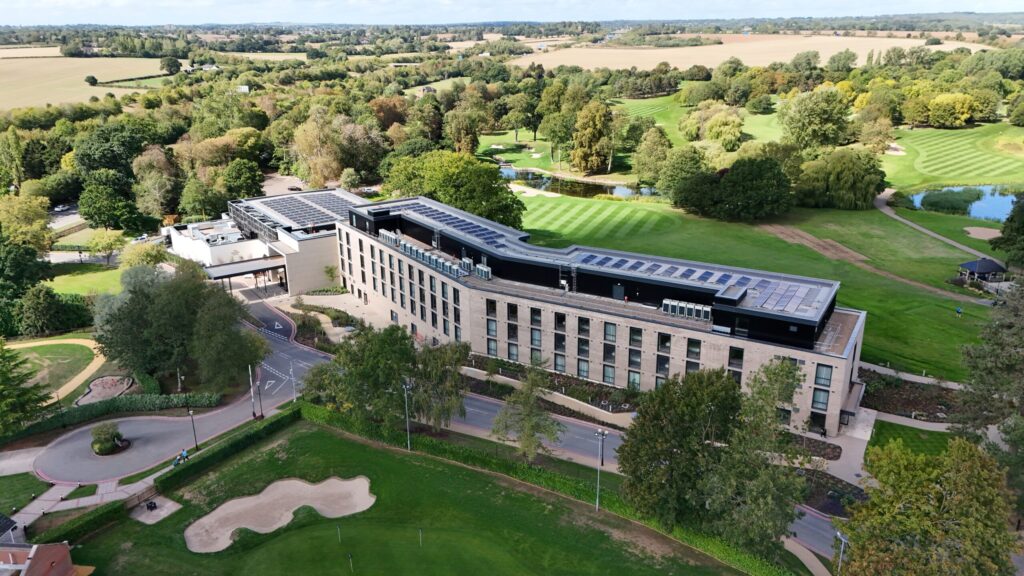
The Mental Health & Dementia Facilities Forum takes place on 24 and 25 November 2026 at The Belfry Hotel & Resort, Warwickshire, bringing together professionals involved in the planning, design, construction, management and development of mental health and dementia facilities.
Through pre-arranged one-to-one meetings, educational seminars and networking opportunities, the Forum offers a focused environment for sharing knowledge, exploring solutions and building professional relationships.
Whether you’re working on an upcoming project, interested in new approaches or looking to connect with others across the sector, MHDF provides an opportunity to be part of those conversations.
Interested in attending?
The seminar programme and speaker announcements are coming soon. Subscribe to DiMHN email updates to be the first to hear when the programme goes live.